Glass Hob Damage Assessment Tool
Not sure if you can fix that crack? Select your hob type and the nature of the damage to get an instant recommendation.
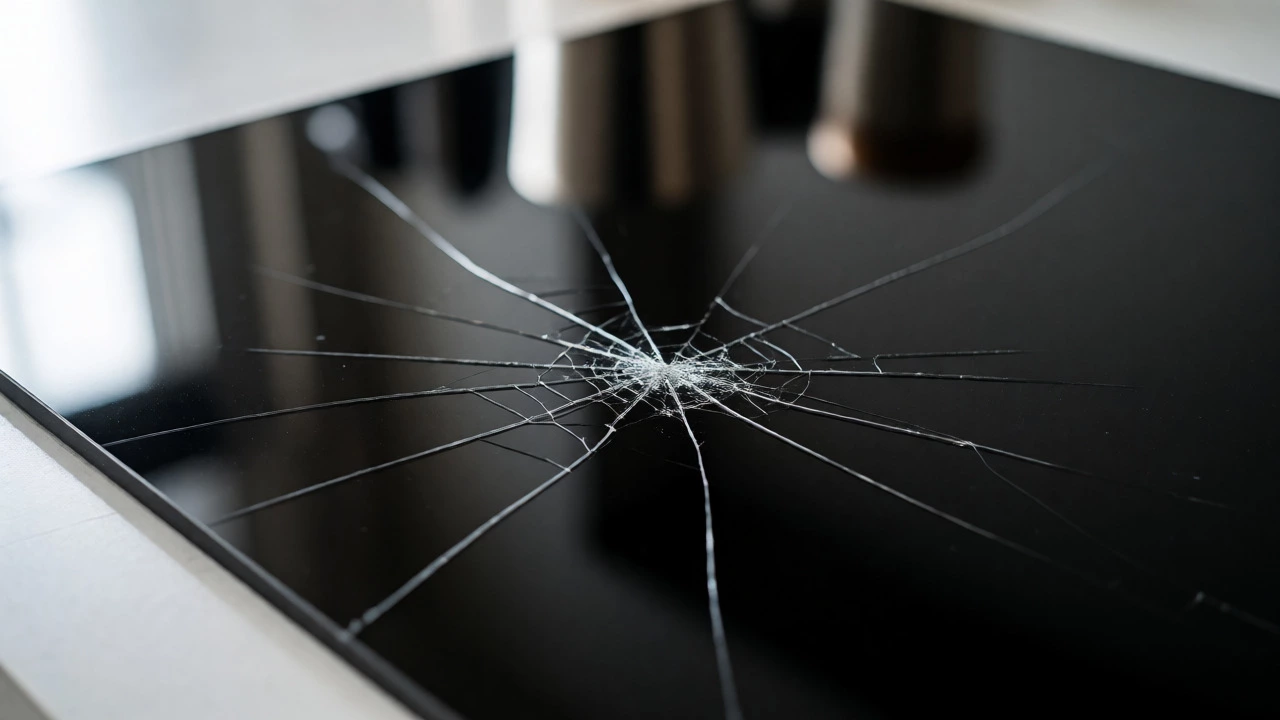
You are making dinner, everything is going well, and then you hear it. That sickening crunch. You look down and see a spiderweb crack spreading across your shiny black surface. Panic sets in. Do you need to buy a whole new stove? Is the kitchen ruined for tonight?
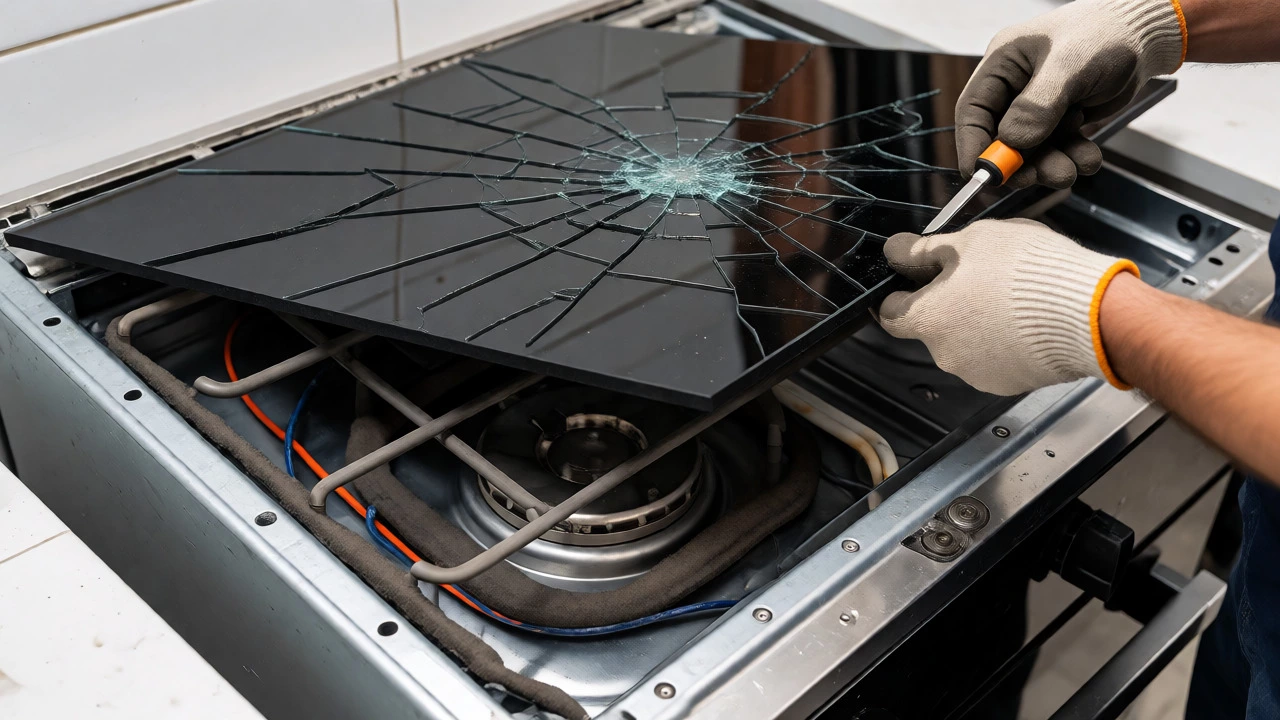
Here is the hard truth: Glass hob repair is rarely about patching the glass itself like you would with a windshield chip. In most cases, if the glass is physically cracked or shattered, the entire panel needs replacing. But before you call the removalists, let’s figure out exactly what is broken, because sometimes the problem isn’t the glass at all.
Understanding Your Hob Type Matters
Not all "glass" hobs are created equal, and knowing yours changes the repair strategy completely. There are three main types you might have, and they behave very differently when things go wrong.
- Ceramic Hobs: These use electric heating elements under a smooth ceramic-glass surface. They glow red when hot. If the glass cracks here, heat escapes, which can damage the insulation underneath.
- Induction Hobs: These use electromagnetic fields to heat pots directly. The glass stays cooler than ceramic hobs but is thinner and more prone to cracking from impact (like dropping a heavy pot).
- Gas-on-Glass: Less common now, these have gas burners on a glass frame. Here, the glass is mostly decorative or structural; the burners do the work. Cracks are often cosmetic unless the seal breaks.
If you have an induction hob, be extra careful. The glass acts as a barrier between high-voltage electronics and your cooking zone. A crack there isn't just ugly; it's a safety hazard.
The Myth of DIY Glass Gluing
Let’s kill this rumor right now: you cannot effectively glue a cracked glass hob back together yourself using superglue or epoxy. Why? Because these surfaces endure extreme thermal cycling. One minute you’re boiling water at 100°C, the next you spill cold milk. Standard adhesives fail under this stress. They yellow, peel, or crack again within weeks.
Professional technicians use specialized UV-cured resins for minor chips, but even then, it’s a temporary aesthetic fix, not a structural one. If the crack runs edge-to-edge, no amount of resin will stop it from spreading. Think of it like a phone screen protector-once the underlying glass is fractured, the integrity is gone.
When Replacement Is the Only Option
So, when do you actually need to replace the glass? It comes down to severity and type.
| Damage Type | Hob Type | Recommended Action | Risk Level |
|---|---|---|---|
| Small Chip (<5mm) | Ceramic/Induction | Monitor or Resin Fill | Low |
| Surface Scratch | All Types | Polish (Cosmetic only) | None |
| Linear Crack | Induction | Replace Glass Panel | High (Electrical) |
| Shattered Zone | Ceramic | Replace Glass Panel | Medium (Heat Loss) |
| Cracked Seal | Gas-on-Glass | Re-seal or Replace Frame | Medium (Gas Leak) |
Notice the risk levels. With induction hobs, a crack allows moisture to seep into the coil assembly. Water plus electricity equals short circuits. If you ignore a small crack on an induction unit, you might end up replacing the entire control board later, which costs way more than just swapping the glass.
Cost Analysis: Fix It or Buy New?
This is the question every homeowner asks. Is it worth paying $300-$600 AUD for a glass replacement when a new entry-level induction hob costs $800?
It depends on the age of your appliance. Here is a simple rule of thumb I use when quoting jobs in Brisbane:
- Under 3 years old: Repair the glass. Check your warranty first! Many manufacturers cover accidental breakage if you bought an extended protection plan.
- 3-7 years old: Repair is usually viable. The internal components (coils, sensors) are likely still healthy. Replacing just the glass restores functionality without the waste of a full disposal.
- Over 7 years old: Consider replacement. Older hobs often suffer from failing touch controls or burnt-out coils simultaneously. Paying for labor to lift a heavy unit, remove the old glass, install new glass, and test it might cost nearly as much as a new budget model.
Also, factor in availability. Some discontinued models have rare glass panels that take weeks to source. If you rely on that hob daily, waiting two weeks for a part might force you to buy a new one anyway.
How to Prevent Future Cracks
Most glass hobs don’t break from normal use. They break because of user error. Here is how to keep your shiny surface intact:
- No sliding: Never drag cast iron pans across the surface. Cast iron has rough bottoms that act like sandpaper. Lift, don’t slide.
- Watch the sugar: Spilled sugary liquids (jam, syrup) can fuse to the glass as it cools. When you turn the hob on again, the hardened sugar expands faster than the glass, causing thermal shock cracks. Clean spills immediately after cooling slightly.
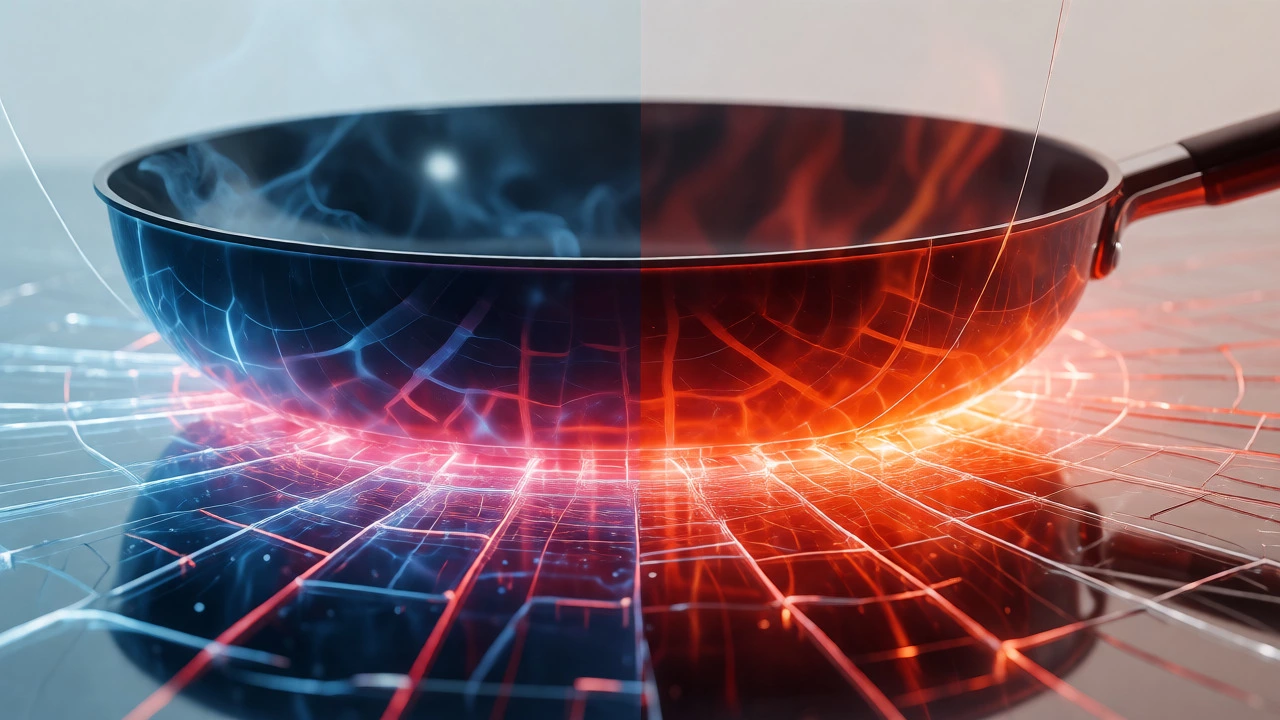
- Avoid thermal shock: Don’t place a freezing cold pan on a blazing hot burner. The rapid temperature change stresses the material.
- Use correct cookware: For induction, ensure your pots have flat bases. Warped bases concentrate weight on tiny points, increasing pressure on the glass.
What Happens During a Professional Repair?
If you decide to hire a technician, know what to expect so you aren’t surprised by the bill. It’s not a quick five-minute job.
First, the tech disconnects power. For built-in units, they may need to cut the silicone sealant around the edges. This requires care to avoid damaging the countertop. Next, they lift the hob or remove the top panel to access the underside. Old adhesive and foam seals must be scraped off completely. Any debris left behind can cause uneven pressure, leading to new cracks.
The new glass panel is installed with fresh high-temperature silicone and specific gaskets designed to allow for thermal expansion. Finally, they reassemble the unit and run a heat test. Expect the job to take 1.5 to 2 hours. Labor is the biggest part of the cost, not just the part itself.
Common Pitfalls to Avoid
I’ve seen homeowners make the same mistakes repeatedly. Don’t fall into these traps:
- Ignoring the crack: Thinking "it’s just cosmetic." On induction hobs, it’s never just cosmetic. Moisture ingress kills electronics.
- Using abrasive cleaners: Steel wool or harsh scouring pads scratch the coating. Scratches weaken the surface structure over time.
- DIY disassembly: Trying to pop the glass off yourself often results in shattering it further or breaking the plastic clips holding the frame. Then you need a new glass AND new clips.
If you live in Brisbane, humidity plays a role too. Moisture trapped under a cracked seal can corrode connectors faster than in drier climates. Address cracks quickly to protect the internal wiring.
Can I cook on a cracked glass hob?
You can technically cook on it for a short period, but it is risky. On a ceramic hob, heat loss through the crack makes cooking inefficient. On an induction hob, water or food particles can seep into the crack and reach the electronic components, potentially causing a short circuit or fire hazard. It is best to avoid using the affected zone until repaired.
Is it cheaper to replace the glass or the whole hob?
For newer appliances (under 5 years), replacing the glass is usually cheaper. For older appliances, the cost of the part plus labor often approaches the price of a new mid-range unit. Additionally, if other parts are failing, a full replacement is more economical long-term.
How long does a glass hob repair take?
The physical repair takes about 1.5 to 2 hours. However, sourcing the specific glass panel can take anywhere from 2 days to 4 weeks depending on the brand and model availability. Common brands like Bosch or Fisher & Paykel usually have parts available locally in Australia, while niche European brands may require international shipping.
Does home insurance cover cracked glass hobs?
Standard contents insurance often excludes accidental breakage unless you have specific "accidental damage" coverage. Wear and tear is almost always excluded. Check your policy wording carefully. If the crack resulted from a sudden event (like dropping a heavy object), you might have a claim, but deductibles often exceed the repair cost for smaller jobs.
Can scratches be polished out?
Yes, light surface scratches can be polished using a specialized ceramic hob polish and a microfiber cloth. Deep gouges cannot be removed. Polishing improves appearance but does not restore structural strength. Always clean the hob thoroughly before polishing to avoid grinding dirt into the surface.