Heat Pump Repair Decision Tool
What is your heat pump doing? Select the symptom that best matches your situation to see if you can handle it or if you need a pro.
Air feels weak or system is inefficient
Outdoor unit is blocked by leaves or snow
System won't turn on at all
Clicking, screeching, or clunking
Air is lukewarm or wrong for the season
Suspicion of refrigerant leak
Quick Summary for Homeowners
- Safe DIYs: Changing air filters, cleaning outdoor coils, and resetting thermostats.
- Danger Zones: Handling refrigerant, electrical wiring, and compressor repairs.
- When to Call a Pro: Any strange noises, refrigerant leaks, or complete system failure.
- The Cost of Mistakes: A DIY error can void your warranty or lead to a full system replacement.
The Basics of How Your System Works
Before you grab a screwdriver, you need to understand what you're dealing with. A Heat Pump is an HVAC system that moves heat from one place to another using a refrigerant cycle. Unlike a furnace that burns fuel to create heat, a heat pump just transfers it. In the winter, it pulls heat from the outside air (yes, even cold air) and pushes it inside. In the summer, it does the opposite, acting exactly like an air conditioner.
This process relies on a complex loop involving Refrigerant, which is a chemical compound that absorbs and releases heat as it changes state between liquid and gas. This cycle is managed by a Compressor, the "heart" of the system that pumps the refrigerant through the coils. If any of these components fail, the whole system stops working.
What You Can Actually Fix Yourself
There are a few things you can handle without calling a technician. Most of these fall under heat pump repair and maintenance rather than deep mechanical surgery. If your system isn't heating efficiently, start here.
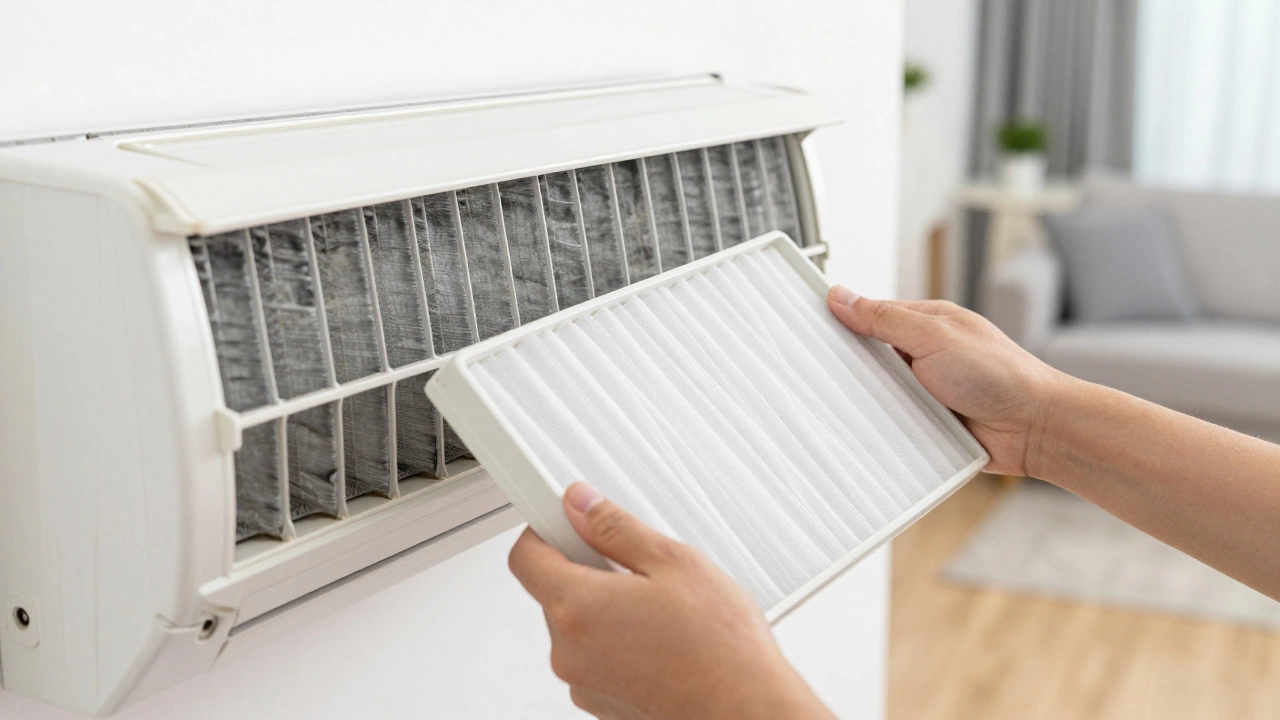
First, check your air filters. A clogged filter restricts airflow, forcing the system to work harder and potentially causing the coils to freeze. If you see a layer of dust thick enough to be a blanket, replace it. This is the number one cause of "broken" heat pumps that actually just need five minutes of attention.
Next, look at the outdoor unit. Leaves, tall grass, or frozen ice can block the airflow. Use a garden hose (not a pressure washer, which can bend the delicate fins) to gently clean the debris off the coils. If you see a thick layer of ice on the outdoor unit during a thaw cycle, you might just need to clear away the snow around the base to let it breathe.
Lastly, check your thermostat batteries and your circuit breaker. It sounds simple, but a tripped breaker is often mistaken for a dead compressor. Flip the switch back to 'On' and see if the magic happens.
The Red Lines: When DIY Becomes Dangerous
Now we get into the territory where you should put the tools down. There are three main areas where DIY attempts usually end in disaster.
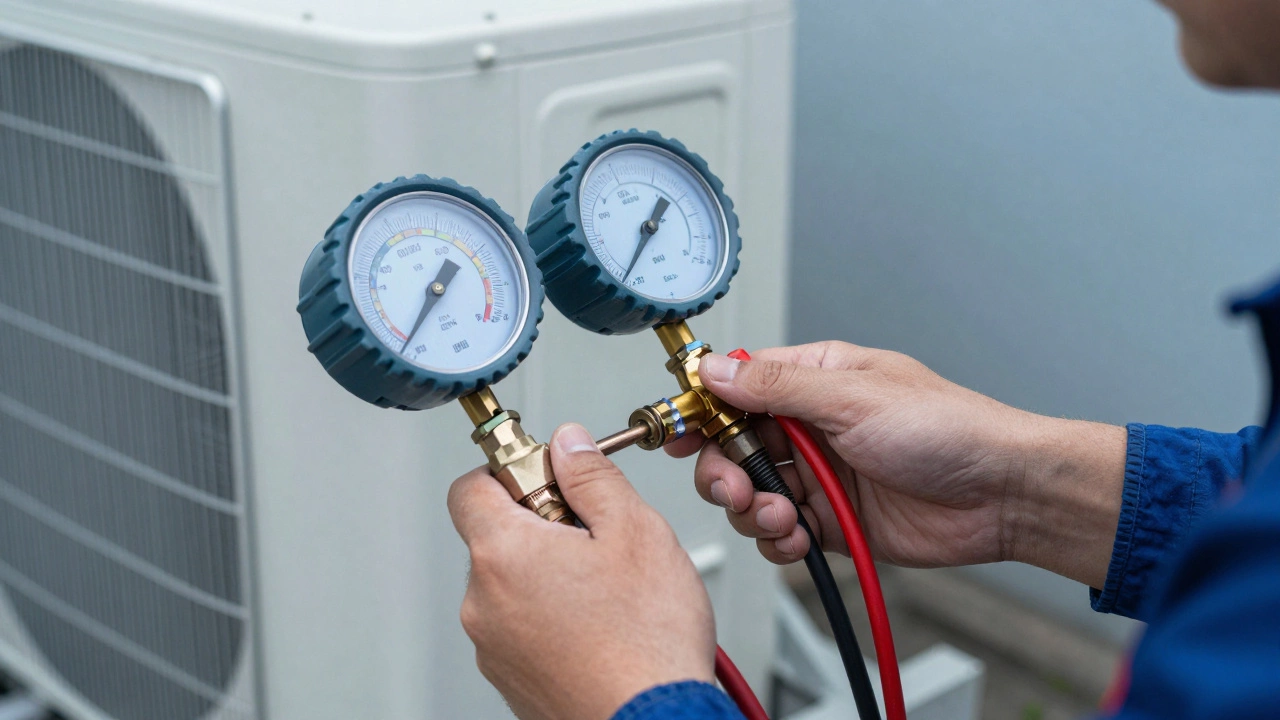
First is the refrigerant. Handling Refrigerant requires a specialized license for a reason. These chemicals are potent greenhouse gases and can be dangerous if inhaled. If you suspect a leak-perhaps you notice a hissing sound or the system is running but not changing the temperature-do not try to "top it off" with a store-bought can. You need a professional to find the leak, seal it, and vacuum the lines before recharging.
Second is the electrical system. Heat pumps use high-voltage electricity to power the compressor and the fan motor. Touching a capacitor or a contactor without knowing exactly how to discharge the electricity can result in a severe shock. If you see charred wires or smell burning plastic, call an electrician or an HVAC pro immediately.
Third is the compressor. The Compressor is the most expensive part of the system. If it's making a loud clunking noise or refusing to start, it's likely a mechanical failure. Attempting to dismantle a sealed compressor is a fool's errand; it almost always requires a full replacement by a certified technician.
| Task | Who Should Do It? | Risk Level | Reason |
|---|---|---|---|
| Replacing Air Filters | Homeowner | Low | Basic maintenance, no special tools. |
| Cleaning Outdoor Coils | Homeowner | Low | Safe if using a gentle water stream. |
| Thermostat Wiring | Pro / Advanced DIY | Medium | Low voltage, but easy to miswire. |
| Refrigerant Charging | Certified Technician | High | Legal/environmental restrictions. |
| Compressor Replacement | Certified Technician | High | Complex machinery and high voltage. |
Common Symptoms and What They Actually Mean
Not every noise is a catastrophe. Learning to read the signs can help you describe the problem to a technician, which saves you money on diagnostic time.
If you hear a loud clicking sound when the system tries to start, it could be a failing Capacitor. The capacitor is essentially a battery that gives the motor a kick-start. These are common failure points and, while a pro should replace them, knowing it's the capacitor helps you avoid paying for a whole new motor you don't need.
When you notice that the air coming out of the vents is lukewarm, you're likely dealing with a Reversing Valve issue. This valve is what allows the heat pump to switch between heating and cooling. If it gets stuck or fails, the system can't change direction, leaving you with the wrong temperature for the season.
If the system is running constantly but the house isn't getting warmer, check for "short cycling." This happens when the system turns on and off rapidly. It's often a sign of an oversized unit or a failing sensor. In either case, it's a logic problem that requires professional diagnostic tools to solve.
The Long-Term Strategy: Preventative Maintenance
The best way to avoid a major repair is to stop the breakdown before it happens. Most people wait until the system fails in the dead of winter to call a technician, which is exactly when prices spike and wait times grow.
Set up a bi-annual service schedule. A technician will check the refrigerant levels, test the electrical connections, and ensure the Evaporator Coil-the part inside your home that absorbs heat-is clean. A dirty evaporator coil can lead to ice buildup, which can eventually crack the heat exchanger or burn out the compressor.
Keep a log of your filter changes. If you notice you're replacing filters every two weeks instead of every month, you might have a ductwork leak or a dusty environment that's putting undue stress on the system. Addressing the environment of your home is just as important as fixing the machine itself.
Making the Call: When to Replace vs. Repair
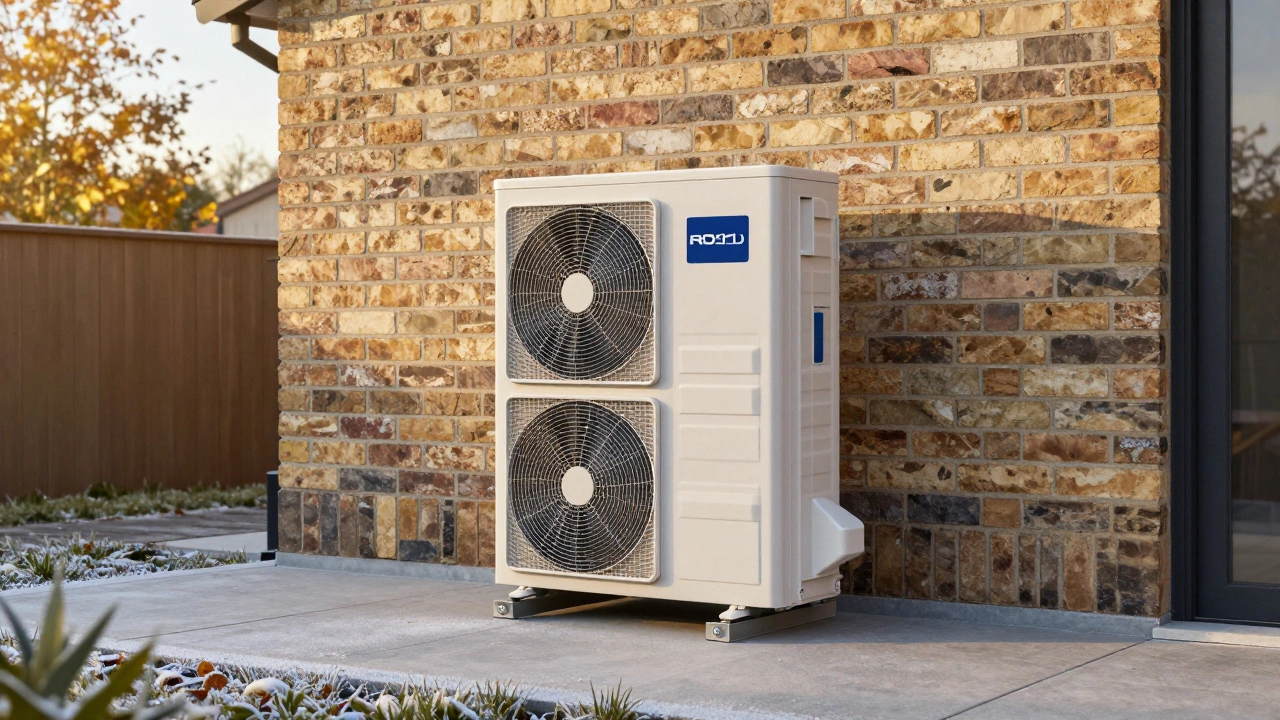
At some point, a heat pump just becomes a money pit. If your unit is more than 12-15 years old and requires a major repair (like a compressor replacement), it's usually smarter to replace the whole thing. Modern units are significantly more efficient, meaning the energy savings alone will often pay for the new installation within a few years.
Consider the "50% Rule": if the cost of the repair is more than 50% of the cost of a new unit, replace it. Also, check if your current system uses R-22 refrigerant. R-22 is an older gas that has been phased out for environmental reasons. It is incredibly expensive to source now, meaning a simple leak fix can cost a fortune. Switching to a system using R-410A or R-32 is a much more sustainable move.
Can I add more refrigerant to my heat pump myself?
No. Adding refrigerant without finding the leak first is like pouring water into a bucket with a hole in the bottom. Furthermore, handling refrigerants without a license is illegal in many regions and dangerous. You need specialized gauges and a vacuum pump to do this correctly.
Why is my heat pump freezing up in the winter?
Ice buildup is common, but excessive freezing usually means a lack of airflow (clogged filter), a failing defrost board, or low refrigerant levels. If the system can't enter its "defrost cycle," ice will accumulate until the unit can no longer exchange heat.
How often should I change the filter in a heat pump?
Typically every 30 to 90 days. However, if you have pets or live in a dusty area, you should check it every month. A dirty filter is the leading cause of system inefficiency and premature component failure.
What does a failing compressor sound like?
A healthy compressor has a steady hum. A failing one often makes loud buzzing, screeching, or clunking sounds. If the unit tries to start but makes a loud "click" and then shuts off, the compressor or its start capacitor is likely dead.
Does cleaning the outdoor unit really help?
Yes, absolutely. Heat pumps rely on the exchange of air. If the coils are covered in dirt, pollen, or leaves, the system has to work much harder to move heat, which increases your electric bill and wears out the motor faster.
Next Steps for Homeowners
If you're currently staring at a broken heat pump, don't panic. Start with the easy wins: check the filter, reset the breaker, and clear the outdoor debris. If those don't work, gather your data. Note the exact sounds the machine is making, whether the air is cold or just weak, and when the problem started.
When you call a technician, ask for a detailed diagnostic report. A good pro will show you the pressure readings and the electrical amp draw of your motors. This ensures you're paying for a real fix and not just a temporary patch. If your system is old, ask for a quote on a high-efficiency replacement alongside the repair estimate so you can make an informed financial decision.