Boiler Troubleshooting Assistant
Select the symptoms you are experiencing with your boiler below to receive an instant diagnosis and recommended next steps.
Diagnosis Result
Likely Cause:
Recommended Action:
You wake up shivering. The radiator that was warm last night is now cold as ice. You check the thermostat, it’s set to 20°C, but the house feels like a fridge. This is the moment every homeowner dreads: your boiler has decided to take a break. Before you panic and call an emergency plumber at 3 AM, know this: most heating failures are caused by a handful of predictable issues. Understanding these common faults can save you hundreds in call-out fees and keep your home comfortable while you wait for professional help.
The Pressure Problem: When Gauges Drop
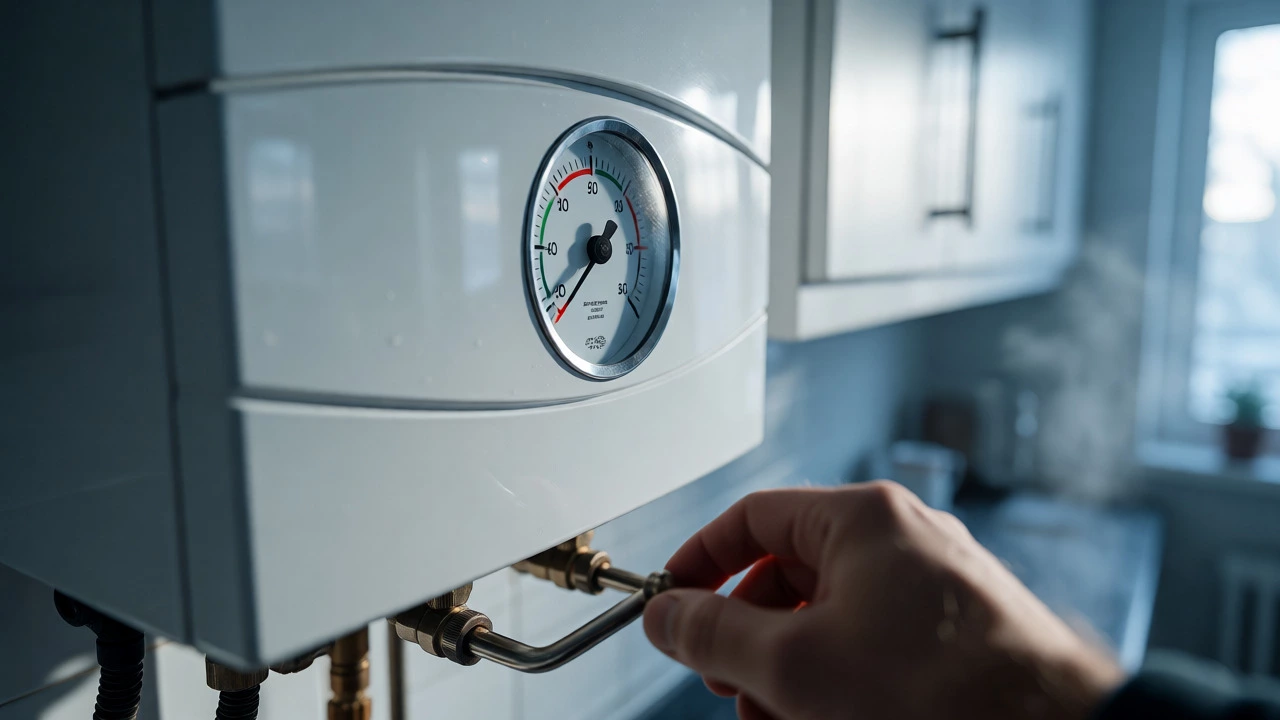
If your boiler displays an error code or simply refuses to fire up, look at the pressure gauge first. It’s usually located on the front panel. For most modern combi boilers, the needle should sit between 1.0 and 1.5 bar when the system is cold. If it drops below 1.0 bar, the boiler locks out to prevent damage. This is one of the most frequent complaints we see in Brisbane homes during cooler months.
Low pressure often happens because air gets trapped in the system or there’s a slow leak in a pipe joint or radiator valve. Sometimes, bleeding a radiator releases too much water, dropping the pressure. The fix? Re-pressurize the system using the filling loop. Most manufacturers provide clear instructions, but generally, you open two small valves until the needle hits the green zone, then close them tight. If the pressure keeps dropping after you’ve topped it up, you likely have a leak that needs professional eyes.
No Hot Water But Heating Works (Or Vice Versa)
It’s confusing when one function works and the other doesn’t. Your boiler has two main jobs: providing space heating and domestic hot water. If you have heat but no hot water, the culprit is often the diverter valve. This component switches the flow of hot water from the radiators to the tap when you turn on the shower. Over time, the rubber diaphragm inside the valve wears out or gets stuck due to limescale buildup. In hard water areas, this is a classic failure point.
Conversely, if you have hot water but no heating, the issue might be the pump or the room thermostat. If the pump is seized, water won’t circulate through the radiators. You might hear a humming noise from under the sink where the boiler sits, indicating the pump is trying to work but can’t move the water. Check if the pump spindle is free by removing the cover and gently turning it with a screwdriver. If it’s stiff, it might need replacing or lubricating.
Banging, Clanking, and Kettling Noises
A quiet boiler is a healthy boiler. If you hear banging, gurgling, or sounds like a kettle boiling over, something is wrong. These noises, often called "kettling," happen when limescale or sludge builds up on the heat exchanger. The water boils locally around the scale deposits, creating steam bubbles that collapse violently, causing the noise.
This isn’t just annoying; it’s inefficient. Limescale acts as an insulator, forcing the boiler to work harder to heat the water. This drives up your energy bills and shortens the lifespan of the unit. While a chemical flush can sometimes clear mild buildup, severe cases require a powerflush-a process where a technician pumps high-velocity water mixed with chemicals through the system to strip away debris. Ignoring kettling leads to heat exchanger cracks, which are expensive repairs compared to early maintenance.
Faulty Thermostats and Sensors
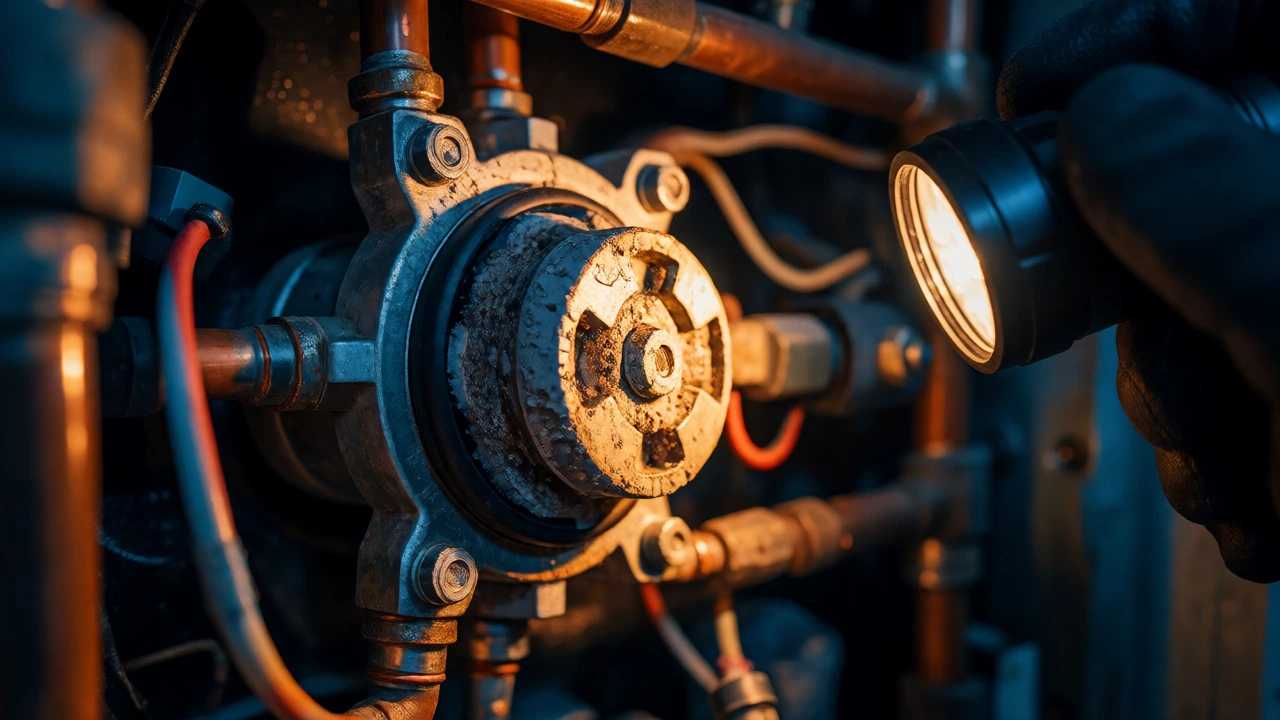
Your boiler relies on sensors to tell it how hot the water is and whether it needs to fire. If the thermistor (temperature sensor) fails, it sends incorrect data to the control board. The boiler might think the water is already hot when it’s cold, so it doesn’t ignite. Or it might think it’s cold when it’s actually overheating, leading to safety cut-outs.
Replacing a faulty thermistor is relatively cheap and quick for a qualified engineer. However, don’t confuse this with your room thermostat. If your room thermostat batteries are dead or the unit is broken, the boiler never gets the signal to start. Always check the basics first: replace the batteries in your wall-mounted thermostat before assuming the boiler itself is at fault. It’s a five-minute job that solves surprisingly many "broken" heating systems.
Ignition Failure and Lockouts
When you try to turn on the heating, does the boiler try to light but fail, displaying an ignition fault code? This is a serious issue that usually requires a Gas Safe registered engineer. Common causes include blocked gas injectors, a faulty spark electrode, or low gas pressure. In older systems, the pilot light might go out, though modern boilers use electronic ignition.
Sometimes, the boiler locks out completely after several failed attempts. This is a safety feature. You can often reset it by pressing the reset button for 10 seconds. If it lights up and runs fine for a few hours, then fails again, the problem is intermittent-likely a wiring issue or a failing PCB (printed circuit board). Don’t keep resetting it repeatedly; this can flood the combustion chamber with unburnt gas, creating a hazardous situation.
| Symptom | Likely Cause | DIY Fix? |
|---|---|---|
| Pressure gauge reads below 1.0 bar | Leak, recent radiator bleed, expansion vessel fault | Yes (Re-pressurize) |
| No hot water, heating works | Diverter valve stuck, actuator failure | No (Requires part replacement) |
| Loud banging/kettling | Limescale on heat exchanger, sludge buildup | No (Powerflush recommended) |
| Boiler cycles on/off rapidly | Short cycling due to oversized boiler or thermostat placement | Maybe (Check thermostat location) |
| Water leaking from underneath | Cracked heat exchanger, loose connection, condensate pipe blockage | Check condensate pipe only |
The Condensate Pipe Freeze (Winter Special)
In colder climates, or even in cool Australian winters, the condensate pipe can freeze. This white plastic pipe carries acidic waste water from the boiler to the outside drain. If it freezes, the boiler detects a blockage and shuts down to prevent overflow. You’ll typically see an error code related to "condensate lockout."
To fix this, pour warm (not boiling) water over the exposed section of the pipe outside. You can also add salt to the pipe opening to lower the freezing point. Once thawed, the boiler should restart automatically. To prevent recurrence, consider having the pipe insulated or rerouted indoors to a internal drain, especially if you live in a region with frost.
When to Call a Professional
While topping up pressure or checking thermostats is safe DIY territory, anything involving gas, electricity, or internal components requires a licensed professional. Never attempt to open the boiler casing yourself unless you are qualified. High voltage capacitors can hold a charge even when unplugged, and gas leaks are invisible but deadly.
Signs you need immediate expert help include:
- The smell of gas near the boiler.
- Black soot marks around the flue terminal.
- Water leaking internally from the unit.
- Repeated lockouts despite resets.
- Strange electrical burning smells.
Regular servicing prevents most of these issues. A yearly service cleans the burner, checks gas pressure, tests safety devices, and ensures the flue is clear. It’s cheaper than an emergency repair and keeps your warranty valid.
Why is my boiler losing pressure frequently?
Frequent pressure loss usually indicates a leak somewhere in the central heating system. Common culprits include dripping radiator valves, corroded pipes, or a failed expansion vessel. If the expansion vessel is faulty, the system pressure will rise when hot and drop significantly when cold, requiring constant topping up. A pressure test by a plumber can pinpoint hidden leaks.
Can I fix a noisy boiler myself?
If the noise is a ticking sound, it might just be thermal expansion of pipes rubbing against joists, which you can fix with foam padding. However, banging or kettling noises usually indicate limescale or sludge buildup inside the heat exchanger. This requires a chemical flush or powerflush performed by a professional. Ignoring it can lead to permanent damage.
What does a low pressure warning mean?
A low pressure warning means the water level in your heating system has dropped below the operational threshold (usually 1.0 bar). The boiler shuts off to prevent dry firing. You can restore pressure by using the filling loop attached to the boiler. If you don't have a filling loop or aren't confident doing it, call a technician.
How long do boilers last?
With regular annual servicing, a modern condensing boiler typically lasts 10 to 15 years. Older non-condensing models may last longer but are less efficient. Factors affecting lifespan include water quality (hard water reduces life), usage intensity, and the quality of installation. Frequent repairs on a unit older than 10 years often suggest replacement is more cost-effective.
Is it dangerous to run a boiler with a fault?
Running a boiler with certain faults, such as a cracked heat exchanger or blocked flue, can be dangerous due to carbon monoxide risk. If you notice yellow flames instead of blue, soot stains, or headaches when the heating is on, ventilate the area and contact a gas engineer immediately. Minor issues like low pressure are not dangerous but will stop the system working.