Extractor Fan Lifespan Estimator
How to Use This Tool
Answer a few simple questions about your extractor fan to determine if it's likely worn out. The tool considers age, usage, maintenance habits, and observed symptoms to provide personalized recommendations.
This tool is based on industry research showing that proper maintenance can double a fan's lifespan. Don't ignore warning signs - replace your fan before moisture damage or electrical issues occur.
Results
Answer the questions above to see your results
Extractor fans don’t last forever. If yours has started making strange noises, isn’t pulling air like it used to, or keeps turning off by itself, it’s not just being stubborn-it’s probably worn out. These fans work hard every day, pulling steam, smoke, and odors out of kitchens and bathrooms. Over time, that constant use takes its toll. Most extractor fans last between 8 and 15 years, but many fail much sooner if they’re not cleaned or maintained.
How extractor fans wear out
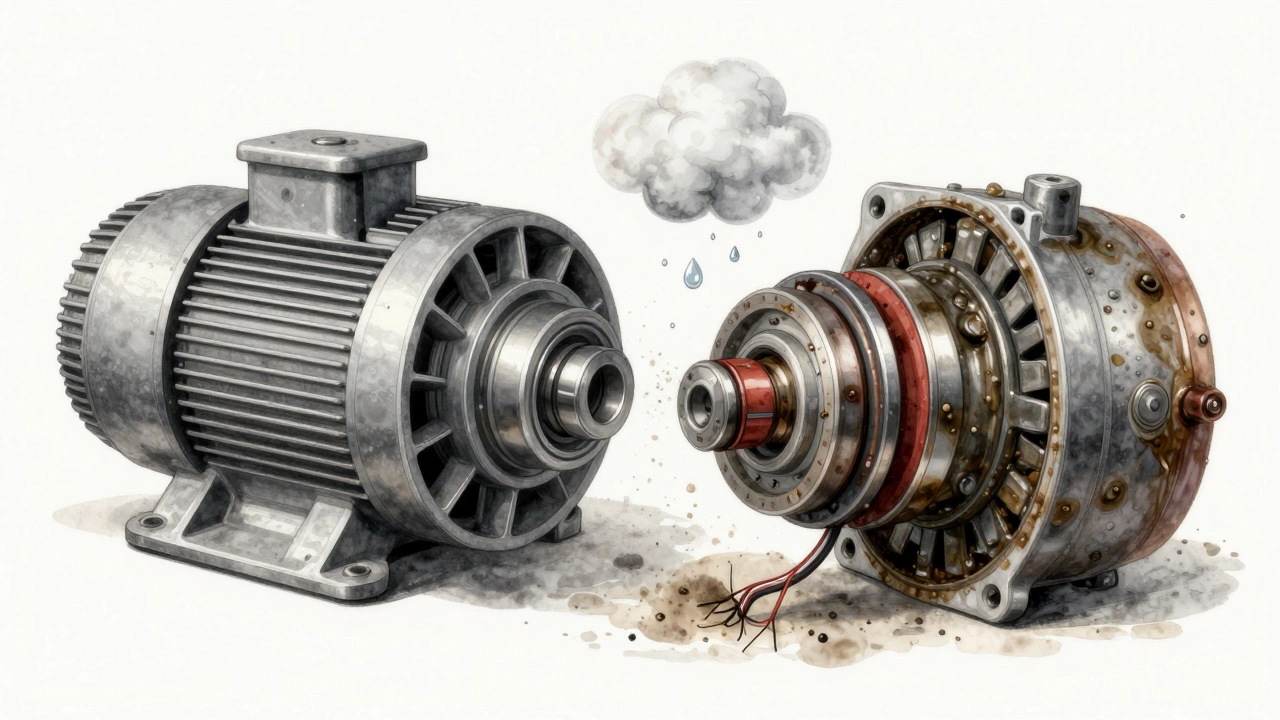
Extractor fans have a few key parts that break down over time: the motor, bearings, blades, and wiring. The motor is the heart of the system. It spins the blades, and like any motor, it heats up with use. Repeated heating and cooling cycles cause the copper windings inside to weaken. Eventually, the motor can’t generate enough power to turn the blades at full speed. That’s when you notice the fan running slower or struggling to clear moisture.
The bearings inside the motor shaft are another weak spot. They’re tiny metal rollers that let the shaft spin smoothly. Dust, grease, and moisture get in over time and turn those bearings into gritty sandpaper. You’ll hear a grinding or whining noise-not a loud bang, but a constant, annoying whir that gets louder as the fan ages.
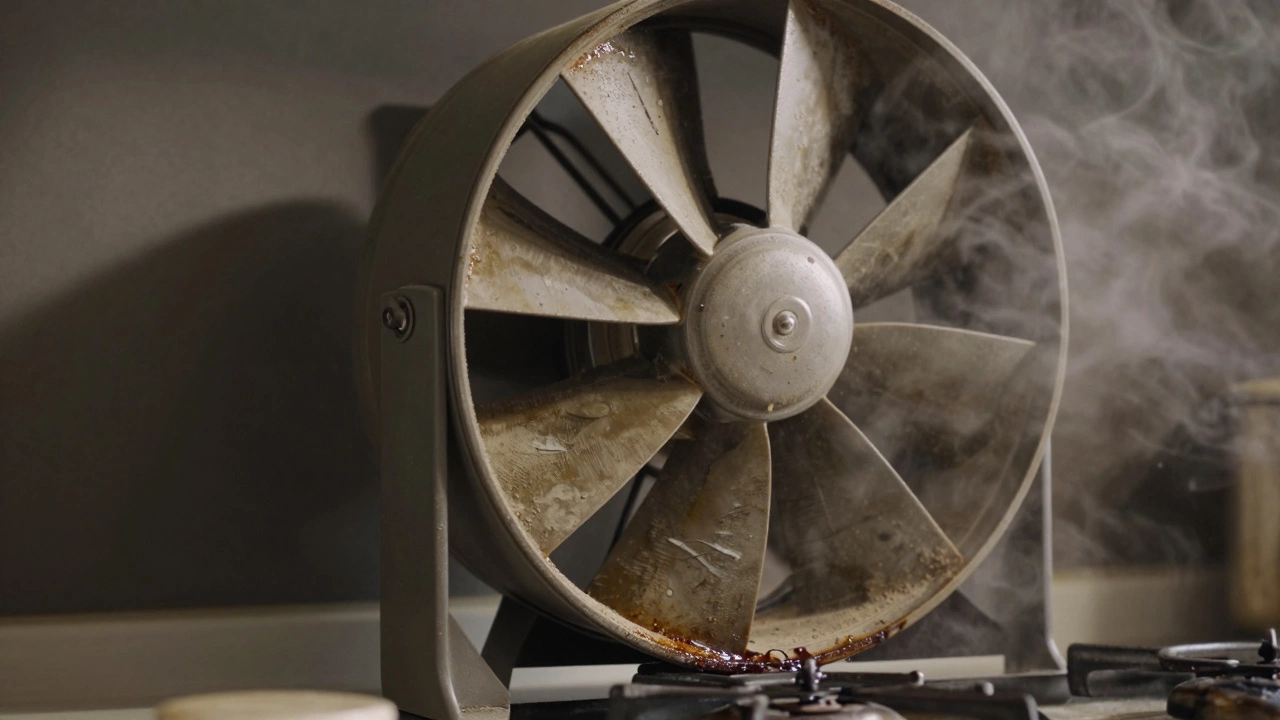
The blades themselves can warp or collect thick layers of grease. In kitchens, grease builds up like tar. In bathrooms, mold and mildew cling to the plastic. When blades get clogged or bent, the fan becomes unbalanced. That causes vibration, which stresses the motor and housing. A wobbly fan isn’t just noisy-it can crack the casing or loosen the mounting screws.
Wiring is often overlooked. The wires running to the fan’s switch or timer can fray from constant heat or vibration. Loose connections cause flickering lights or the fan turning on and off randomly. In older models, the capacitor that helps the motor start can dry out and fail, leaving you with a fan that hums but won’t spin.
Signs your extractor fan is wearing out
Don’t wait for total failure. Watch for these warning signs:
- Noisy operation-Grinding, squealing, or rattling sounds that weren’t there before
- Reduced airflow-Steam lingers after showering; cooking smells stick around longer
- Delayed startup-The fan takes 5-10 seconds to kick in, or you have to flip the switch twice
- Overheating-The fan housing feels hot to the touch even when running briefly
- Visible damage-Cracked casing, rust on metal parts, or mold growing around the grille
- Electrical issues-Flickering lights when the fan turns on, or a tripped circuit breaker
One common mistake people make is assuming a noisy fan just needs cleaning. That helps-but only if the motor and bearings are still healthy. If the noise returns within a month after cleaning, the problem is deeper.
How long do extractor fans last?
There’s no single answer, but here’s what you can expect based on type and use:
- Basic bathroom extractor fans: 8-12 years. These are low-cost units with simple motors. They’re often installed in new builds and rarely maintained.
- Kitchen range hoods: 10-15 years. Higher-end models have better motors and filters, but grease buildup shortens their life if not cleaned monthly.
- High-performance commercial-style fans: 15+ years. These are built for heavy use and often have replaceable parts.
- Older fans (pre-2010): Often fail before 8 years. Many used brushed motors that wore out fast and had no dust seals.
Location matters too. Fans in humid bathrooms with poor ventilation wear out faster than those in dry, well-ventilated rooms. A fan in a coastal home exposed to salty air might last half as long as one inland.
Can you fix a worn-out extractor fan?
Sometimes-but it’s rarely worth it.
If the fan is under 5 years old and the issue is a clogged filter, dirty blades, or a loose wire, cleaning or tightening things up might bring it back to life. Replacing a capacitor costs under $15 and takes 20 minutes if you’re comfortable with basic wiring.
But if the motor is failing, bearings are seized, or the housing is cracked, repair isn’t practical. Motors aren’t sold separately for most consumer models. Even if you find a replacement, labor costs often exceed 70% of a new fan’s price. Plus, newer models are quieter, more energy-efficient, and come with better warranties.
Here’s a quick cost comparison:
| Option | Cost | Time | Expected Lifespan After |
|---|---|---|---|
| Replace capacitor | $10-$25 | 20-30 min | 1-3 years |
| Clean and lubricate | $0-$15 (DIY) | 1 hour | 1-2 years |
| Replace entire unit | $80-$250 | 2-3 hours | 10-15 years |
Unless you’re handy and the fan is still under warranty, replacing the whole unit is the smarter move.
What to look for in a new extractor fan
When it’s time to replace, focus on three things: airflow, noise level, and ease of cleaning.
- Airflow: Measured in cubic feet per minute (CFM). For bathrooms, aim for at least 80 CFM. For kitchens, 150-300 CFM is better. Don’t go overboard-too much power can create negative pressure and pull in fumes from other appliances.
- Noise: Look for ratings under 1.0 sones. Anything above 2.0 sones will be noticeable during quiet moments. Brands like Broan, Vent-A-Hood, and Zephyr publish real sone ratings-ignore vague claims like "quiet operation."
- Filter type: Kitchen fans need washable aluminum grease filters. Avoid paper filters-they’re expensive and need replacing every few weeks.
- Smart features: Timers, humidity sensors, and Bluetooth controls are nice, but not essential. A simple on/off switch with a 15-minute timer is enough for most homes.
Look for units with removable grilles and washable filters. You’ll thank yourself later when you’re cleaning it every 3 months instead of letting grease build up.
How to extend your extractor fan’s life
Even if your fan is still working, take steps now to avoid early failure:
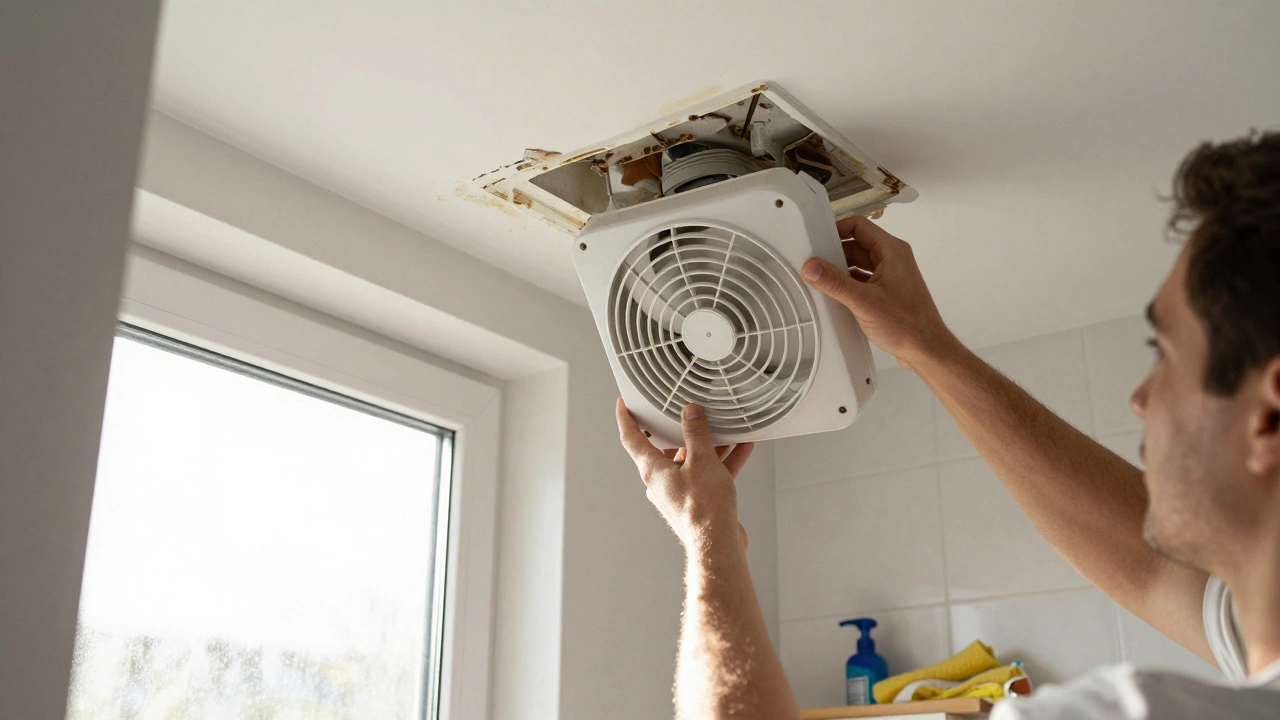
- Clean the grille and filter every month. Use warm soapy water-don’t use harsh chemicals that can melt plastic.
- Check the ductwork yearly. Make sure it’s not crushed, kinked, or full of lint. A blocked duct forces the fan to work harder.
- Don’t run the fan continuously for hours. Use a timer or turn it off 15-20 minutes after cooking or showering.
- Replace carbon filters in recirculating models every 6 months. They lose effectiveness fast.
- If you have a bathroom fan, keep the door open after use to let moisture escape instead of trapping it.
These small habits can double the life of your fan. They’re not glamorous, but they save you hundreds in replacements.
When to call a professional
You don’t need an electrician for every issue. But call one if:
- The fan trips the circuit breaker every time it turns on
- You smell burning plastic or see scorch marks near the wiring
- The fan is wired directly into the wall without a switch or fuse
- You’re unsure how to safely remove the unit or connect the new one
Electrical faults in extractor fans can lead to fires, especially in older homes with outdated wiring. If in doubt, get it checked.
Final thought: It’s not a question of if-it’s when
Extractor fans wear out. It’s not a matter of if, but when. The sooner you recognize the signs, the less disruptive the replacement will be. Waiting until the fan dies completely means dealing with steamy bathrooms, lingering smells, and possibly mold growth. Replacing it proactively is cheaper, quieter, and healthier.
Don’t ignore the warning signs. A noisy fan isn’t just annoying-it’s a signal. Listen to it. Fix it. Or replace it. Either way, act before it’s too late.
How long should an extractor fan last?
Most extractor fans last between 8 and 15 years, depending on usage, quality, and maintenance. Basic bathroom models often fail before 10 years, while high-quality kitchen hoods with regular cleaning can last 15 or more. Units installed in humid or greasy environments tend to wear out faster.
Can I repair a noisy extractor fan instead of replacing it?
You can try cleaning the blades and grease filter, or replacing the capacitor if it’s a simple model. But if the noise comes from grinding bearings or a failing motor, repair isn’t cost-effective. Replacement motors aren’t usually sold separately, and labor costs often exceed the price of a new fan. If the noise returns after cleaning, replacement is the better option.
What causes extractor fans to stop working?
The most common causes are motor failure, seized bearings, clogged grease filters, damaged wiring, or a dead capacitor. Dust, moisture, and grease build up over time and strain the internal components. In kitchens, grease is the biggest culprit. In bathrooms, humidity causes rust and mold, which can warp parts and block airflow.
Is it safe to run an extractor fan that’s making noise?
It’s usually safe for short periods, but not for long. A noisy fan is under extra stress, which can lead to overheating or electrical failure. If you hear grinding or smell burning, turn it off immediately. Continued use can damage wiring or even cause a fire, especially in older homes with outdated circuits.
How often should I clean my extractor fan?
Clean the grease filter and grille every month in the kitchen. In the bathroom, clean the grille every 2-3 months to prevent mold buildup. Check the ductwork once a year for blockages or damage. Regular cleaning prevents strain on the motor and extends the fan’s life significantly.