Boiler Hot Water Diagnostic Tool Interactive
Diagnostic Result
Fill out the steps on the left to analyze your hot water situation.
You turn the tap, waiting for warmth, but only cold water comes out. Panic sets in. Is your boiler dead? Do you need to book an emergency call-out immediately? Not necessarily. While a broken boiler often signals a loss of hot water, the relationship isn't always that simple. Understanding how your specific heating system works is the first step to figuring out if you're facing a total shutdown or just a minor hiccup.
The short answer is: it depends on the type of boiler you have and where it broke. Some systems provide instant hot water directly from the main, while others rely on a separate tank. If one part fails, another might still be working. Let’s break down what’s actually happening inside your walls so you can diagnose the issue before paying for a service visit.
How Your Boiler Type Changes the Outcome
Not all boilers are built the same way, and this distinction is critical when hot water stops flowing. In Australia and many other regions, the most common residential setups are Combi boilers and System boilers. Each handles hot water differently.
Combi boilers are compact units that heat water on demand directly from the mains supply without a storage tank. Because they don’t store water, if the internal pump or heat exchanger fails, you lose both central heating and instant hot water simultaneously. There is no backup reservoir. If the flow sensor detects no water movement, the unit shuts down to prevent overheating, leaving you with zero hot water at every tap.
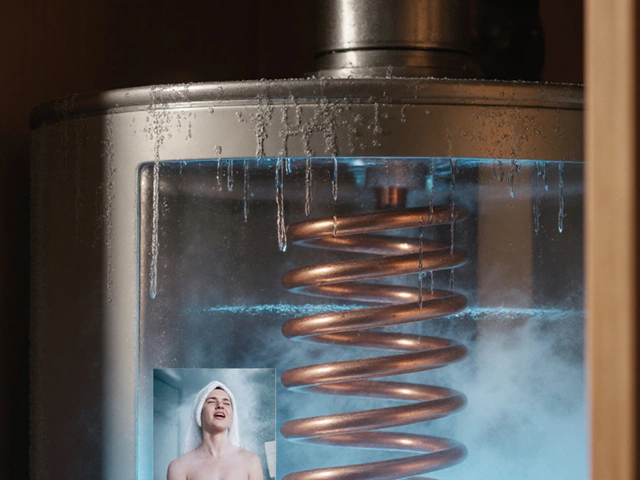
In contrast, System boilers work alongside a hot water cylinder (storage tank). The boiler heats the water, which then sits in the cylinder until you use it. Here’s the good news: if the boiler itself breaks down, you might still have some warm water left in the tank. However, once that stored water cools down, you’ll run out. Conversely, if the cylinder develops a leak or the immersion heater fails, you might still have central heating working, but your showers will get lukewarm quickly.
Common Reasons Why Hot Water Stops Without Total Failure
Sometimes, the boiler isn't "broken" in the sense that it's completely dead. It might be partially functional. Several components can fail independently, affecting hot water while leaving the heating loop intact, or vice versa.
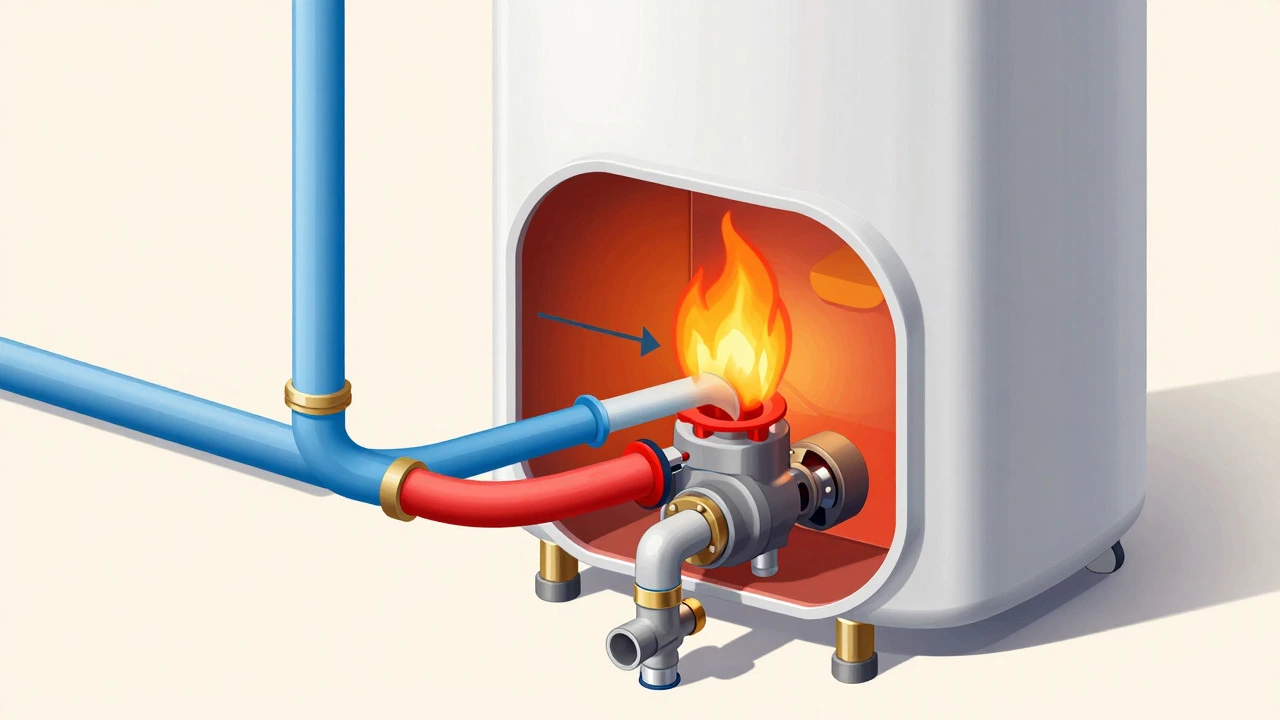
One frequent culprit is the flow diverter valve. In dual-circuit boilers, this valve directs water either to the radiators or the taps. If it gets stuck or fails to switch, you might have hot water at the taps but no heat in the rooms, or more commonly, heat in the rooms but no hot water at the taps. This is a mechanical failure, not an electrical one, and it specifically isolates the hot water function.
Another possibility is a faulty thermostatic mixing valve or a blocked heat exchanger. Limescale buildup can restrict water flow through the secondary heat exchanger responsible for domestic hot water. The boiler might fire up for heating without issue, but the water coming out of the shower remains tepid because it can't pass through the scale-clogged pipes fast enough to absorb heat. This is a maintenance issue rather than a catastrophic breakdown, but it effectively means "no usable hot water."
Don't ignore the pressure. If your boiler pressure drops below 1 bar, many modern units will lock out. While this usually kills both heating and hot water, some older models might allow residual heat to dissipate, giving you a few minutes of warm water before it goes cold. Checking the gauge is a five-second task that saves you from unnecessary panic.
Diagnosing the Issue: A Step-by-Step Approach
Before you pick up the phone, try these checks. They are safe for anyone to perform and can help you explain the problem clearly to a technician.
- Check the Pressure Gauge: Look at the dial on your boiler. It should be between 1 and 1.5 bar. If it's red or near zero, the system has lost pressure. This is a common cause for total shutdowns.
- Listen for the Pump: When you turn on a hot tap, do you hear a humming sound? That's the circulation pump. If it's silent, the pump might be seized or the motor burned out. If it's noisy, it might be airlocked.
- Test Multiple Taps: Turn on the kitchen sink and the bathroom shower. If both are cold, the issue is likely central (boiler or main supply). If only one is cold, check for a local blockage or a failed diverter valve.
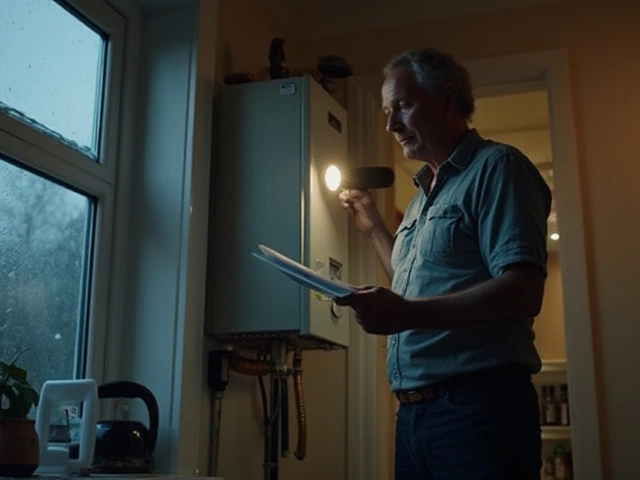
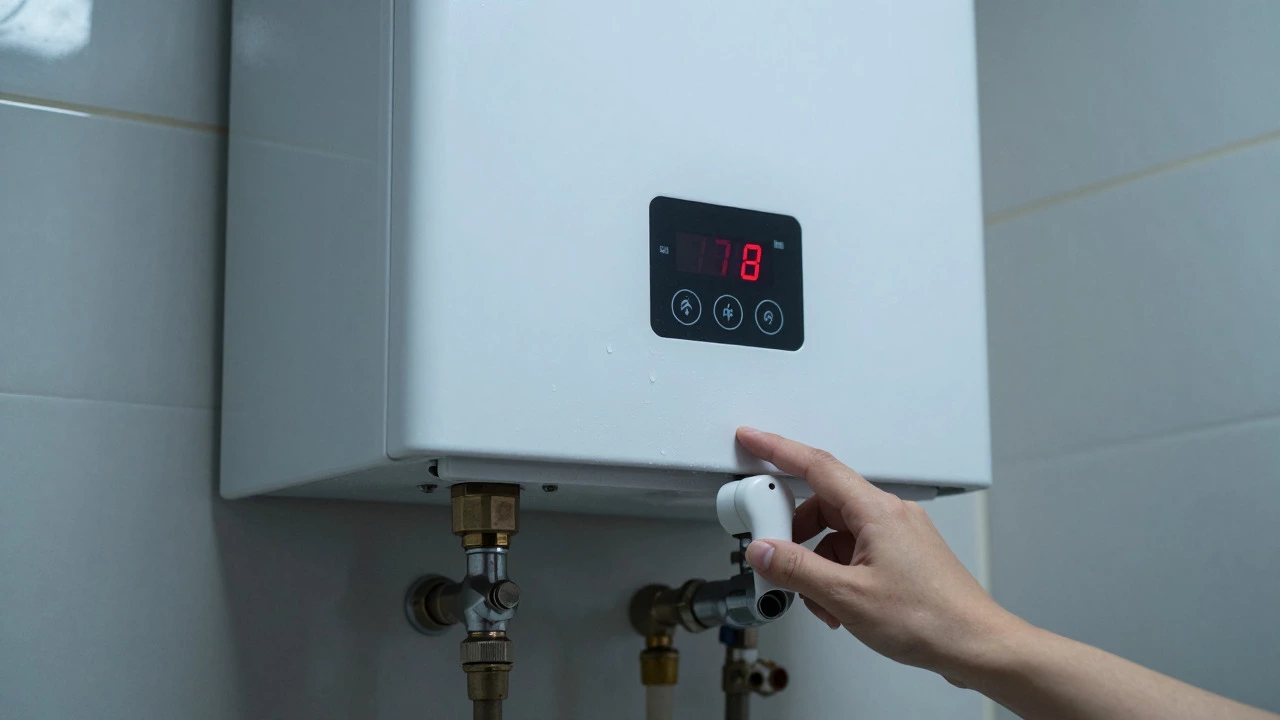
- Look for Error Codes: Modern digital boilers display error codes on their screens. Note down the code. For example, a "F" code often indicates a flame failure, while an "E" code might point to a sensor issue. This information is gold for your repairer.
- Check the Gas Supply: Ensure the gas valve on the boiler is open. Sometimes, after a power outage, the gas safety valve trips shut. You might need to reset it manually according to the manual instructions.
When to Call a Professional vs. DIY Fixes
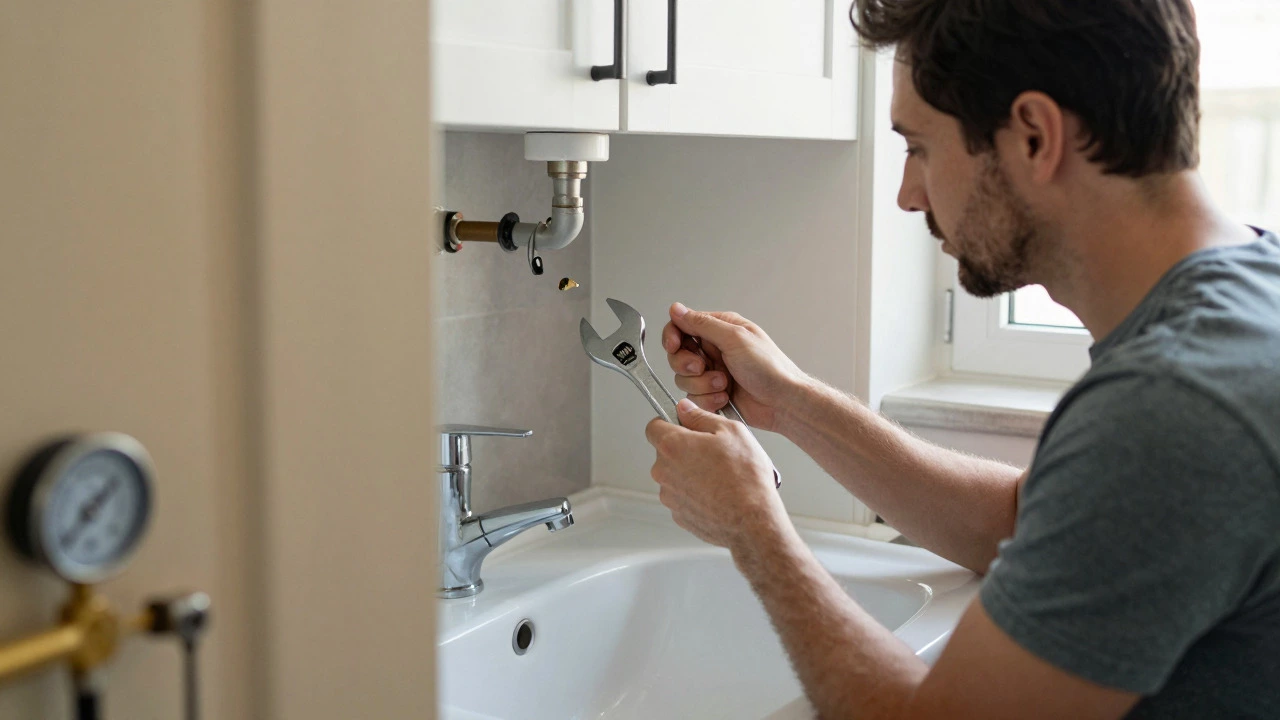
Knowing when to stop tinkering is crucial for safety. Boilers involve high pressure, gas combustion, and electricity. Mixing them up without training is risky.
You can safely handle: checking pressure, resetting tripped circuit breakers, clearing obvious debris from external vents, and reading error codes. These are low-risk tasks that often resolve minor glitches.
You should call a professional if: the pressure drops repeatedly after topping up (indicating a leak), you smell gas (turn off the main valve and leave immediately), there are visible leaks from the boiler casing, or the error code persists after a reset. In Brisbane, where humidity and temperature swings can affect metal expansion, regular servicing helps prevent these sudden failures. A licensed plumber or gasfitter is required for any work involving the gas line or pressure vessel integrity.
If you have a System boiler and the cylinder is leaking, the repair cost can be significant. Replacing a hot water cylinder involves plumbing work, insulation, and potentially rewiring the immersion heater. Budget accordingly. On the other hand, a Combi boiler failure might require replacing the entire unit if it's over 10 years old, as parts availability can become scarce for older models.
Preventing Future Hot Water Losses
Most boiler failures aren't random; they're predictable. Regular maintenance catches small issues before they stop your hot water supply.
- Annual Service: Have a qualified technician inspect the heat exchanger, burners, and safety valves annually. This is non-negotiable for warranty compliance in many cases.
- Power Flush: Every 3-5 years, a power flush removes sludge and limescale from the system. This keeps the heat exchanger efficient and prevents blockages that lead to partial failures.
- Magnetite Filter: Installing a magnetic filter protects the boiler from iron oxide particles that accumulate in the system. It’s a small investment that extends the life of expensive components.
- Monitor Pressure: Keep an eye on the pressure gauge monthly. If it drops frequently, you have a leak. Fixing a small pinhole leak is cheap; fixing a flooded living room is not.
Understanding the mechanics behind your hot water supply empowers you to make better decisions. Whether you’re dealing with a stubborn Combi boiler or a leaking System cylinder, knowing the difference between a total failure and a partial malfunction saves time, money, and stress. The next time the water turns cold, you’ll know exactly where to look.
Can I have hot water if my boiler is off?
Yes, if you have a System or Regular boiler with a storage cylinder. The water already heated in the tank will remain warm for several hours even if the boiler is switched off or broken. However, once that stored water is used, you won't get hot water again until the boiler is repaired. Combi boilers, which heat water instantly, will stop providing hot water immediately upon failure.
Why does my boiler have heating but no hot water?
This usually points to a fault with the flow diverter valve, which switches water between the radiators and the taps. If the valve sticks in the heating position, the radiators stay warm, but the taps receive cold water. Other causes include a blocked secondary heat exchanger due to limescale or a faulty flow sensor that doesn't detect water usage at the taps.
How long does a boiler repair take?
Simple fixes like resetting a lockout or replacing a fuse can take less than an hour. More complex repairs, such as replacing a heat exchanger or a diverter valve, typically take 2 to 4 hours. If the entire boiler needs replacement, plan for a full day, including draining the system and installing the new unit.
Is it cheaper to repair or replace a broken boiler?
If the boiler is under 7 years old and the repair cost is less than 50% of the price of a new unit, repairing is usually the better option. If the boiler is older than 10 years, or if major components like the heat exchanger or motherboard have failed, replacement is often more cost-effective in the long run due to improved energy efficiency and lower future repair risks.
What should I do if my boiler pressure is too low?
First, top up the pressure using the filling loop until the gauge reads between 1 and 1.5 bar. Then, monitor it over the next 24 hours. If it stays stable, you were likely just experiencing normal pressure drop. If it drops again within a day, you have a leak that requires professional attention. Never let the pressure drop to zero, as this can introduce air into the system and cause further complications.