Electric Stove Diagnostic Tool
What problem are you experiencing?
Select the symptom that best describes your issue:
Let's narrow it down further
Answer these questions to confirm the diagnosis:
Your dinner is late, the kitchen smells like burnt potential, and your electric stove is refusing to cooperate. It’s a frustrating scenario that hits hard when you’re hungry or hosting guests. While these appliances seem simple-just plug them in and turn the knob-they are complex systems of electricity, heat resistance, and safety sensors. When they fail, it’s rarely a mystery. In fact, over 80% of service calls for electric ranges boil down to two specific culprits.
If you’re staring at a cold burner or an oven that won’t hold temperature, you aren’t dealing with a rare mechanical anomaly. You are likely facing one of the two most common problems: a failed heating element (burner) or a malfunctioning thermal fuse/temperature sensor. Understanding these two issues can save you hundreds of dollars in unnecessary service fees and help you decide whether this is a quick DIY fix or a job for a pro.
Problem #1: The Dead Heating Element (Burner)
The first and most frequent issue is a broken heating element. On an electric stove, these are the coiled metal tubes on the cooktop or the glowing bars inside the oven. Their job is straightforward: convert electrical current into intense heat. However, because they operate at extreme temperatures constantly, they degrade over time. This is a wear-and-tear failure, not necessarily a sign of poor manufacturing.
How to spot a bad burner:
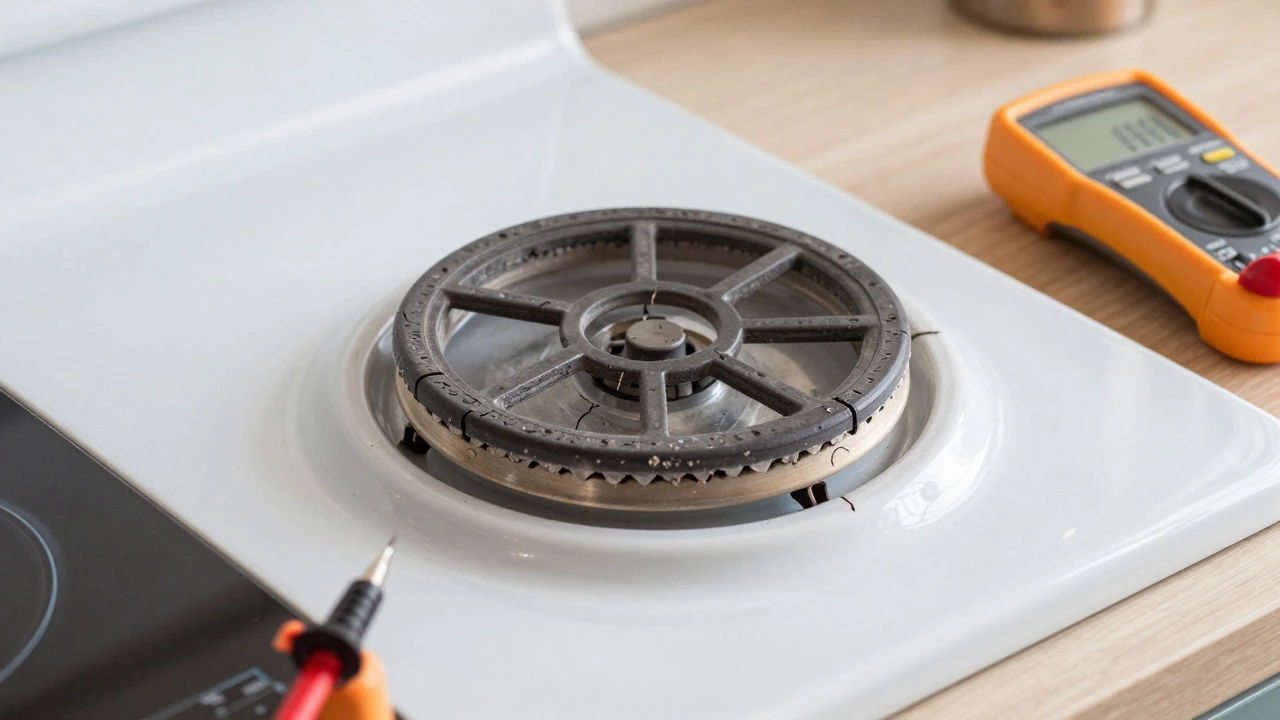
- Visual Inspection: Look for blisters, cracks, or obvious breaks in the coil. If the element looks like it’s been through a war zone, it’s done.
- Inconsistent Heating: Does one side of the burner glow red while the other stays cool? That indicates a break in the internal wire.
- Total Failure: The burner doesn’t get warm at all, even after several minutes.
- Tripping Breakers: If turning on the burner causes your home’s circuit breaker to trip immediately, the element has likely shorted out internally.
Replacing a surface burner is often the easiest DIY repair in appliance maintenance. For glass-top stoves, the "hot plate" sits under the glass and requires careful removal of the cooktop surface. For coil models, you simply lift the grate, twist the burner counter-clockwise, unplug the wires, and swap in the new part. Always ensure the power is disconnected at the breaker before touching any wiring.
Problem #2: Faulty Thermal Fuses and Temperature Sensors
If the burners work fine but your oven refuses to heat, or heats unevenly, the problem usually lies deeper in the control system. The second most common culprit is a failure in the temperature regulation components, specifically the thermal fuse or the oven temperature sensor.
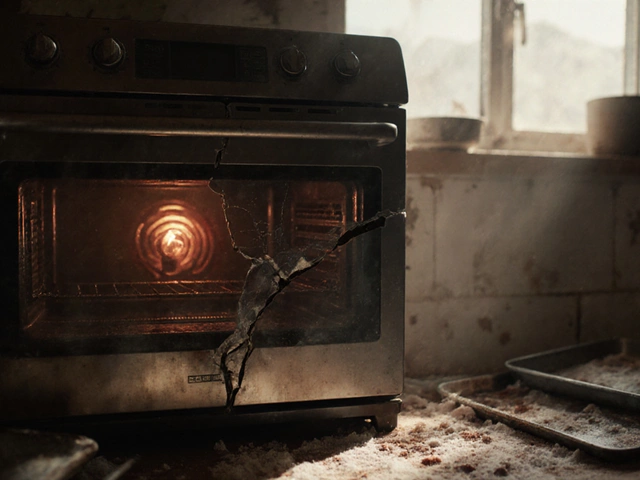
Think of the thermal fuse as the oven’s panic button. It’s a safety device designed to cut power if the oven gets too hot, preventing a fire. Sometimes, these fuses blow prematurely due to a spike in voltage or a momentary overheating event. If the fuse blows, the oven loses all power to the heating elements. You might still have lights and fans working, but no heat will be generated.
The temperature sensor, on the other hand, is more subtle. It’s a probe located inside the oven cavity that tells the control board how hot it is. If this sensor drifts out of calibration or fails completely, the oven might think it’s already at 350°F when it’s actually only 200°F. The result? Your roast stays raw, or your cookies burn because the oven never stopped heating.
Signs of sensor or fuse failure:
- Oven won’t preheat: The display says it’s ready, but the inside is cold.
- Erratic temperatures: Food cooks unevenly; some dishes are burnt while others are undercooked.
- Error Codes: Modern digital ovens may display codes like "F9," "E6," or "Open Loop," indicating a communication breakdown between the sensor and the control board.
- No Heat at All: If the thermal fuse has blown, there is zero heat output despite the elements looking intact.
Why These Two Issues Dominate Repair Calls
You might wonder why these two specific parts fail so often compared to others. The answer lies in physics and usage patterns. Electric stoves rely on high-amperage circuits. A standard electric range draws between 30 to 50 amps. This massive flow of electricity generates significant heat and stress on connections. Over years of daily use, the constant expansion and contraction of metal elements cause fatigue. Meanwhile, the electronic controls managing these high-power loads are sensitive to voltage fluctuations common in older homes.
Furthermore, modern electric stoves are built with cost-efficiency in mind. Manufacturers design heating elements and sensors to be replaceable modules rather than permanent fixtures. This means they are engineered to last about 5-7 years under heavy use. When they fail, it’s often by design-a sacrificial component protecting the more expensive control board from damage.
Quick Diagnostic Checklist
Before calling a technician, run through this simple checklist to identify which of the two common problems you’re facing. This can save you time and money.
| Symptom | Likely Cause | Action Required |
|---|---|---|
| Burner doesn't heat | Failed Heating Element | Replace burner coil/hot plate |
| Oven light works, but no heat | Blown Thermal Fuse or Bad Element | Test fuse continuity; check element |
| Oven temperature is inaccurate | Faulty Temperature Sensor | Calibrate or replace sensor probe |
| Circuit breaker trips frequently | Shorted Element or Wiring Issue | Inspect element for shorts; call electrician if persistent |
| Error code displayed | Control Board/Sensor Communication Failure | Check sensor connection; consult manual for code |
When to Call a Professional vs. DIY
Not every repair requires a toolkit. Replacing a surface burner on a coil-style stove is a 10-minute job for most homeowners. However, dealing with the internal wiring of an oven or replacing a hidden thermal fuse involves working near high-voltage components. If you are uncomfortable using a multimeter to test for continuity, or if the issue persists after replacing the obvious parts, it’s time to call a professional.
Professional technicians have access to diagnostic software that can pinpoint exact failure points in the control board, saving you from guessing games. They also carry genuine replacement parts that match the original specifications, ensuring safety and longevity. Remember, electricity doesn’t forgive mistakes. If you’re unsure, prioritize safety over savings.
Maintenance Tips to Prevent Future Failures
While you can’t stop time, you can slow down wear and tear. Regular maintenance extends the life of your electric stove significantly. Keep the burners clean; food debris can insulate the element, causing it to overheat and fail prematurely. Avoid sliding heavy pots across glass cooktops, as scratches can compromise the seal and lead to moisture intrusion under the heating elements. Finally, ensure your home’s electrical supply is stable. Voltage spikes are silent killers of appliance electronics. Consider installing a surge protector for your kitchen outlets if you live in an area with unstable power grids.
By understanding these two common problems-failed heating elements and faulty thermal/sensor components-you empower yourself to troubleshoot effectively. Whether you choose to fix it yourself or hire a pro, knowing what’s wrong helps you make informed decisions and get back to cooking sooner.
How much does it cost to replace an electric stove heating element?
The cost varies depending on the type of stove. A standard coil burner costs between $15 and $40. Glass-top hot plates are more expensive, ranging from $50 to $150 per unit. Labor costs for a professional replacement typically add another $75 to $150, depending on your location and the complexity of the installation.
Can I use my electric stove if the thermal fuse is blown?
No, you should not use the oven if the thermal fuse is blown. The fuse acts as a critical safety device. Bypassing it can lead to dangerous overheating and potential fire hazards. Replace the fuse with an identical rating specified by the manufacturer before using the oven again.
Why does my electric stove keep tripping the circuit breaker?
This is often caused by a short circuit in a heating element or damaged wiring. If the insulation on the wires inside the element breaks down, electricity can leak to the ground, triggering the breaker. This requires immediate attention and professional inspection to prevent electrical fires.
How do I know if my oven temperature sensor is bad?
You can test this by comparing the oven’s displayed temperature with a standalone oven thermometer placed inside. If there’s a significant difference (more than 25°F), the sensor may be faulty. Additionally, erratic error codes or inconsistent cooking results are strong indicators of sensor failure.
Is it safe to replace an electric stove burner myself?
Yes, replacing a surface burner is generally safe if you follow proper precautions. Always disconnect the power at the circuit breaker before starting. Use insulated tools and handle the new element carefully to avoid damaging the wiring connectors. If you encounter resistance or unclear wiring, stop and call a professional.