Hot Water Heater Repair Time Estimator
Select your issue and system details to get a realistic time estimate for when you'll have hot water again.
Fill out the form to see your estimate.
You wake up, turn the tap, and get hit with a blast of freezing cold water. Panic sets in. You have a shower to take, dishes to wash, or maybe just the need for warm hands before work. The first question on your mind isn't usually "how much will this cost?" but rather "how long am I going to be without hot water?"
The honest answer is: it depends. But not as much as you think. In most cases, a standard hot water heater repair takes between 1 and 3 hours once the technician arrives. If it’s a simple part swap, you might be back in business in under an hour. If it’s a full replacement, expect half a day. Here is the breakdown of what actually happens during those hours, why delays happen, and how to speed things up.
The Short Answer: Typical Repair Times by Issue
Not all hot water problems are created equal. Some are quick fixes; others require draining tanks, disconnecting gas lines, or rewiring electrical components. Below is a realistic look at timeframes based on common issues seen in Australian homes.
| Issue Type | Diagnosis Time | Repair/Replacement Time | Total Estimated Duration |
|---|---|---|---|
| Pilot Light Out (Gas) | 5-10 mins | 10-15 mins | Under 30 mins |
| Faulty Thermostat | 15-20 mins | 30-45 mins | 1 - 1.5 Hours |
| Leaking Pressure Relief Valve | 10 mins | 20-30 mins | 30 - 45 Mins |
| Sediment Buildup (Flushing) | N/A | 45-60 mins | 1 Hour |
| Burnt Out Heating Element (Electric) | 20 mins | 45-60 mins | 1 - 1.5 Hours |
| Full Unit Replacement | 15 mins | 2 - 4 Hours | Half Day |
Notice that diagnosis is often the longest part of the process for complex electrical faults. Why? Because a plumber needs to rule out obvious causes before opening up panels or testing voltage. Rushing this step leads to replacing the wrong part, which means another visit later.
Why Your Repair Might Take Longer Than Expected
If your plumber quotes two hours but stays for four, there’s usually a good reason. Here are the three biggest culprits for delays in Brisbane and surrounding areas.
- Corroded Parts: In older systems, nuts and bolts seize due to rust. A ten-minute job can turn into a thirty-minute struggle if the plumber has to cut through corroded pipes or use penetrating oil and wait.
- Inaccessible Units: Is your hot water system crammed into a tight cupboard? Or located in a ceiling space with limited access? Technicians spend significant time just getting tools to the right spot. If they need to remove cabinets or climb ladders repeatedly, add 30 minutes to the estimate.
- Part Availability: This is the big one. Plumbers carry common parts like thermostats and elements, but they don’t stock every brand and model. If your unit is an older Rheem or Dux model from 15 years ago, the specific valve might need ordering. In that case, the "fix" becomes a temporary patch until the part arrives, or a full replacement recommendation.
Repair vs. Replace: How That Changes the Timeline
Deciding whether to fix or replace affects both your wallet and your schedule. Generally, repairs are faster but shorter-lived. Replacements take longer upfront but offer peace of mind for the next decade.
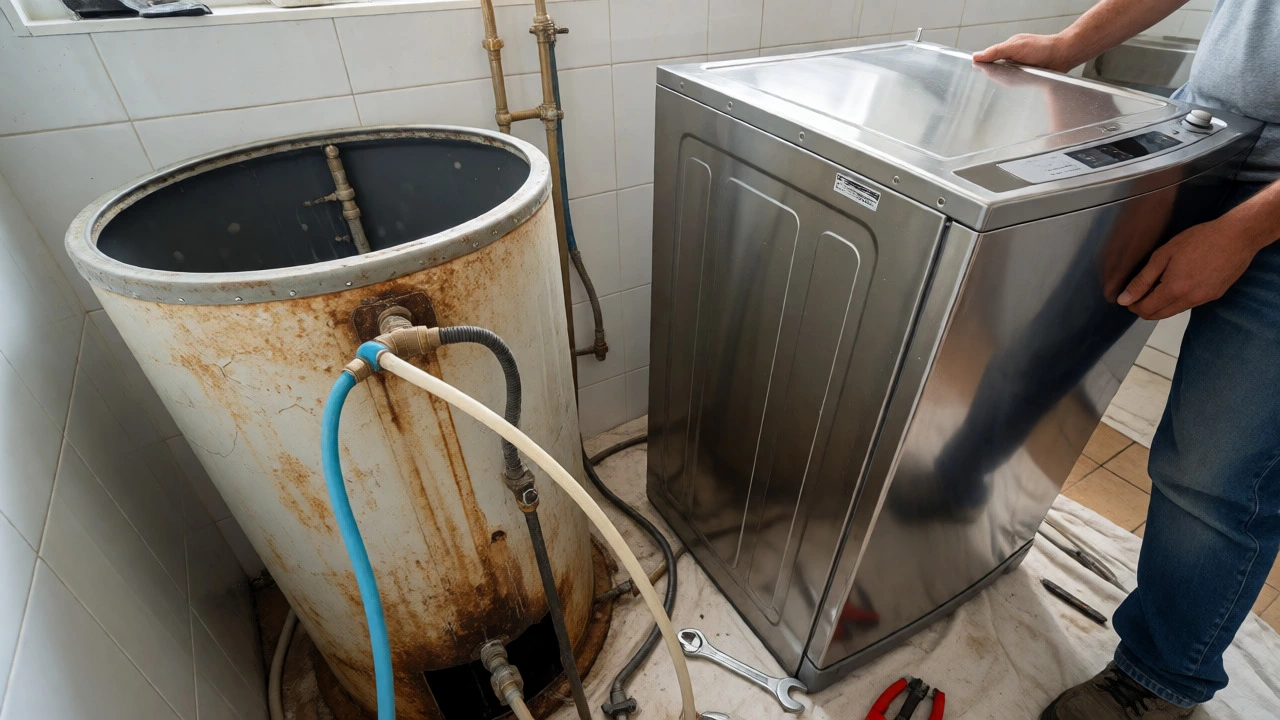
A replacement involves draining the old tank, disconnecting supply lines, removing the unit, installing the new one, reconnecting plumbing, and testing for leaks. For a standard electric storage tank, this is a straightforward 2-3 hour job. However, if you’re switching types-say, from a gas storage system to a continuous flow unit-the plumbing layout changes. You might need new gas lines or upgraded electrical circuits. That can push the timeline to a full day, especially if an electrician is needed alongside the plumber.
Pro tip: If your unit is over 10 years old and leaking from the tank itself (not a valve), don’t waste time on a repair. Tank leaks are fatal. Go straight for replacement to avoid paying twice.
What Happens During the Service Call?
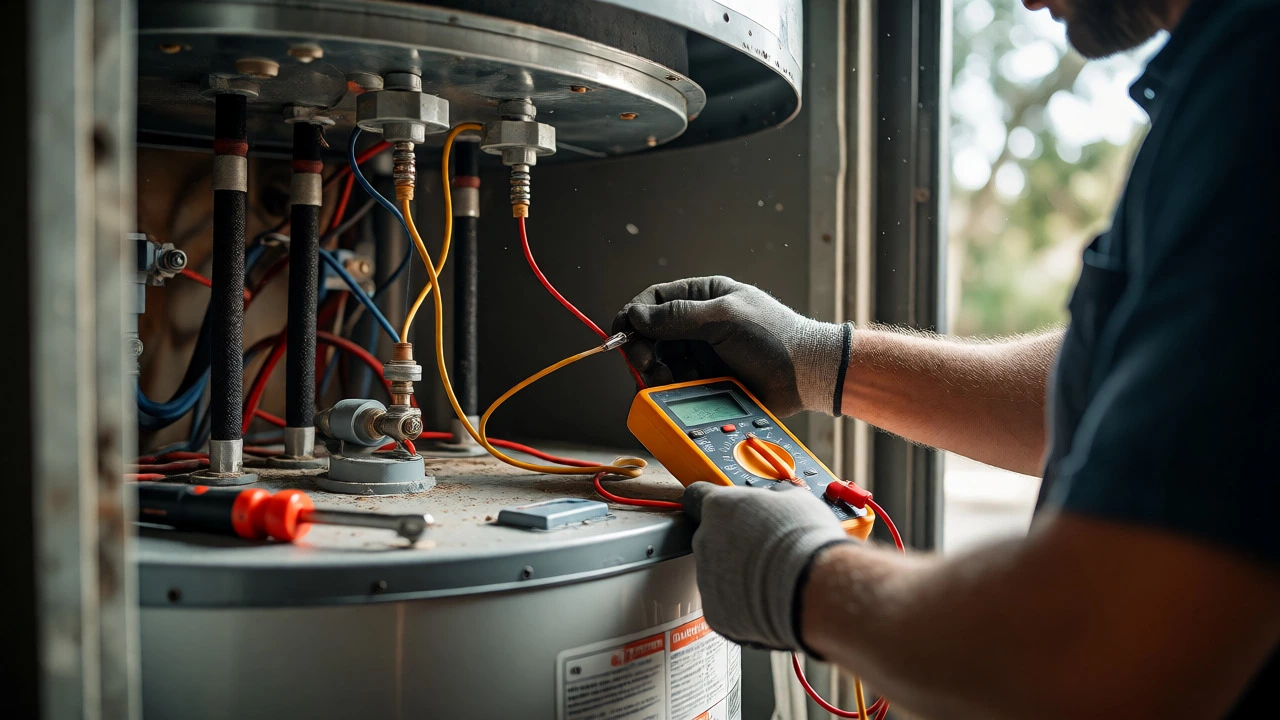
Knowing the steps helps you prepare. When our team arrives, here’s the typical workflow:
- Safety Check: We isolate power or gas to prevent accidents. This takes 5 minutes.
- Visual Inspection: We check for corrosion, wet spots, and error codes on digital displays. Another 10-15 minutes.
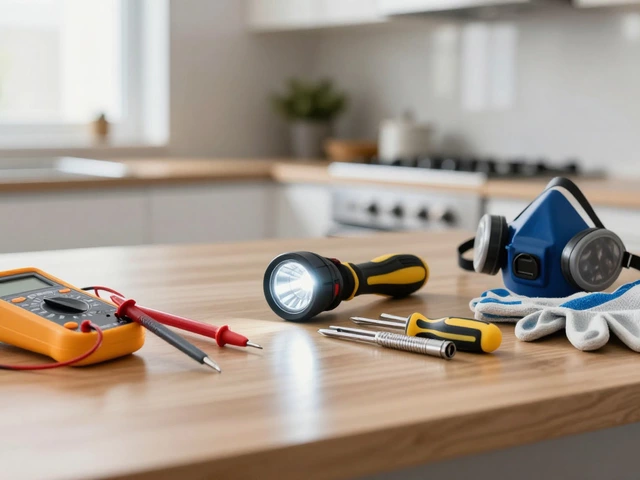
- Testing: Using multimeters or pressure gauges, we pinpoint the fault. This varies wildly depending on the issue.
- The Fix: Swapping parts, flushing sediment, or adjusting valves. This is the core labor.
- Cleanup & Test: We restore power/gas, run hot taps to ensure temperature stability, and clean up any debris. Never skip this step-if it’s not tested, it’s not fixed.
Can You Speed Up the Process?
Yes, and no. You can’t make a plumber work faster without risking quality, but you can remove bottlenecks.
- Clear Access: Move boxes, cleaning supplies, or laundry baskets away from the unit. If it’s in the garage, park your car elsewhere so the van can pull close.
- Know Your Model: Have the brand and model number ready. It’s usually on a sticker on the side of the tank. This helps the tech bring the right parts initially.
- Isolate Utilities: If you know where the isolation valve is, turn off the water supply to the heater before they arrive. It saves them five minutes and gets them straight to work.
Emergency Situations: When Time Matters Most
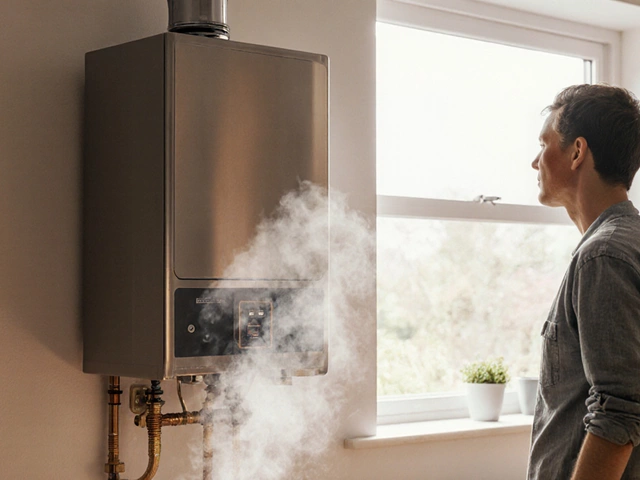
If you have no hot water in winter, or worse, a massive leak flooding your bathroom, timing becomes critical. Emergency calls often prioritize immediate stabilization over perfect fixes. A plumber might cap a leaking pipe temporarily to stop water damage, then return later for the permanent repair. This split approach prevents structural damage while allowing proper parts sourcing.
In Brisbane, weather plays a role too. Heavy rain or storms can delay travel times. Always factor in traffic conditions when scheduling non-emergency appointments.
Frequently Asked Questions
How long does it take to replace a hot water heater?
A standard replacement typically takes 2 to 4 hours. This includes draining the old system, removing it, installing the new unit, and connecting all plumbing and electrical lines. Switching fuel types (e.g., electric to gas) may take longer due to additional installation requirements.
Why is my hot water heater taking so long to heat water?
Slow heating is often caused by sediment buildup at the bottom of the tank, which insulates the water from the burner or element. Other causes include a faulty thermostat, low gas pressure, or a failing heating element. Flushing the tank usually resolves sediment issues within an hour.
Can I shower while the hot water heater is being repaired?
Usually, no. Repairs often require turning off the water supply or isolating the unit. Additionally, safety protocols dictate that no hot water should be used while the system is open or under maintenance to prevent scalding or further damage.
How quickly can a plumber arrive for a hot water emergency?
Response times vary by provider and location. In urban areas like Brisbane, many services aim for same-day or next-day availability. True emergencies, such as major leaks causing flooding, often receive priority dispatch within 1-2 hours, though after-hours rates may apply.
Does the type of hot water system affect repair time?
Yes. Continuous flow units are generally smaller and easier to access, potentially speeding up diagnostics. Large storage tanks require more time to drain and refill. Heat pump systems involve refrigerant checks and complex electronics, which can extend diagnostic time compared to simple gas or electric units.