Oven Repair vs Replacement Calculator
Oven Information
Results
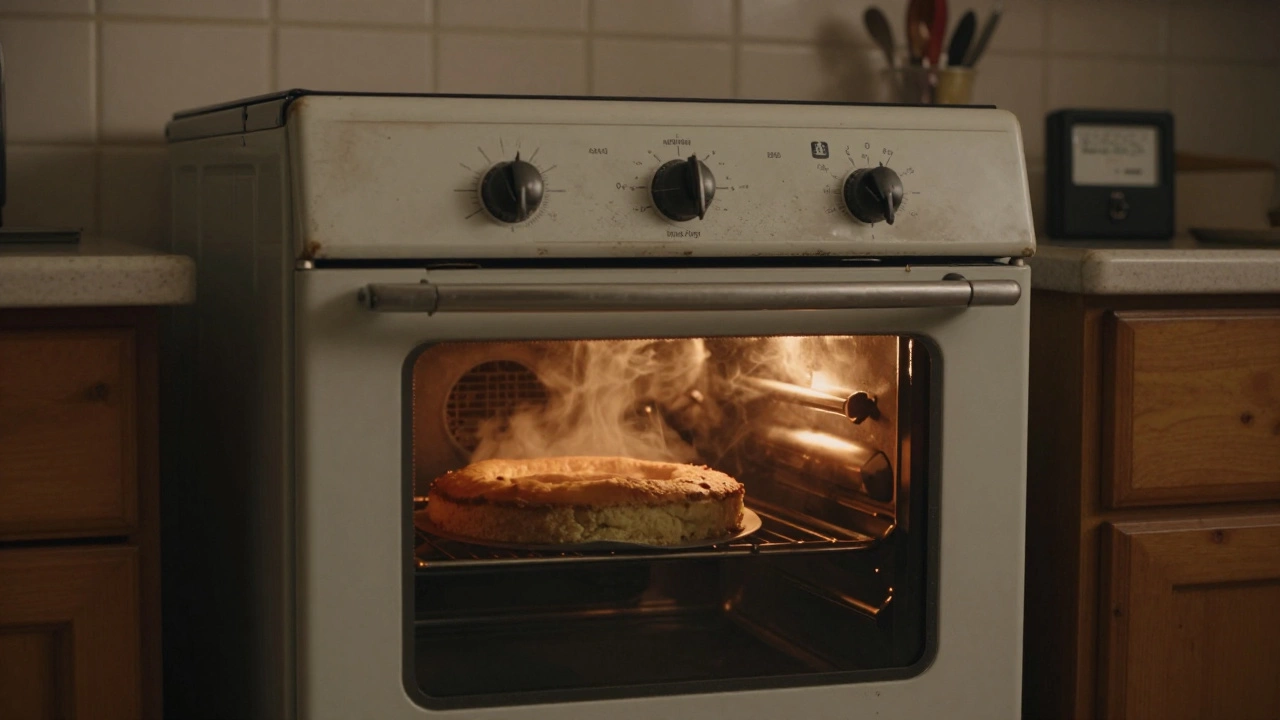
You’ve been cooking in the same oven for two decades. It’s seen birthday cakes, holiday roasts, and midnight toast emergencies. Now, the heating element sputters, the temperature’s off, or the door won’t seal right. You’re staring at the repair quote and wondering: is it worth fixing a 20-year-old oven?
How Long Do Ovens Actually Last?
Most electric ovens are built to last between 15 and 20 years. That’s not a guess - it’s based on industry data from the National Association of Home Builders and appliance manufacturers like Whirlpool and Bosch. If your oven hit 20 years, you’ve already beaten the average. That doesn’t mean it’s broken. It means you’re operating on borrowed time.
Think of it like a car with 300,000 kilometers on the odometer. It still runs, but every repair feels like patching a leaky roof. Parts wear out faster. Repairs get more expensive. And the energy bills? They’re climbing.
What’s the Average Repair Cost?
Fixing a 20-year-old oven usually costs between $150 and $400, depending on the issue. Common fixes include:
- Replacing the heating element - $100 to $200
- Fixing the thermostat or temperature sensor - $120 to $250
- Replacing the door seal - $50 to $100
- Repairing the control board - $200 to $400
Here’s the catch: if the control board is failing, it’s likely because the oven’s internal wiring and components are aging. That means other parts won’t last much longer. You’re paying to delay the inevitable.
How Much Does a New Oven Cost?
A basic, mid-range electric oven in Australia (2026 prices) runs from $800 to $1,500 installed. That includes removal of the old unit, delivery, and hookup. High-end models with smart features or convection settings go up to $2,500, but you don’t need those unless you’re baking sourdough daily.
Here’s the real math: if your repair costs more than half the price of a new oven - that’s $400 to $750 - it’s time to walk away. Most 20-year-old repairs hit that mark. And if you factor in energy savings? You’re looking at a payback period of under three years.
Old Ovens Are Eating Your Electricity
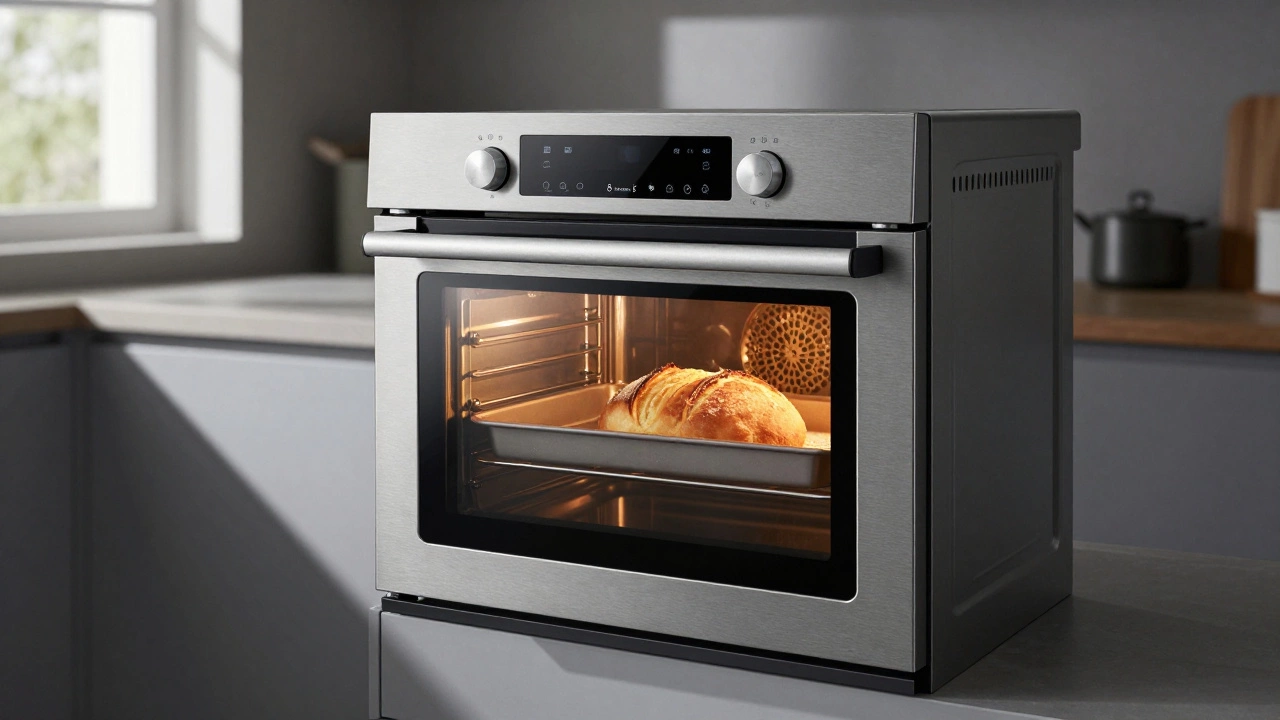
Your 20-year-old oven uses about 30% more energy than a modern one. That’s not a theory - it’s from Energy Rating Australia’s 2025 appliance efficiency report. A standard oven from 2006 draws 2.8 kilowatts per hour. A new 2026 model uses 1.9 kilowatts. If you bake twice a week, that’s 200 extra kWh a year. At Brisbane’s average rate of 32 cents per kWh, that’s $64 a year you’re throwing away.
Over five years? That’s $320 in wasted power. Add that to your repair bill, and you’re already close to the price of a new unit.
What Are You Really Buying With a New Oven?
It’s not just about heat. Modern ovens come with features that change how you cook:
- Auto-shutoff safety timers
- Self-cleaning cycles that actually work
- Even heat distribution thanks to improved fan design
- Smart temperature sensors that adjust on the fly
- Quiet operation - no more loud buzzing or clicking
And let’s not forget resale value. If you ever sell your home, a modern oven adds subtle appeal. Buyers notice when the oven looks like it belongs in the 2020s - not the 2000s.
When Should You Still Repair It?
There are exceptions. If your oven is still working fine except for one small part - like a broken light or a cracked door handle - and the repair is under $100, go ahead. It’s cheap insurance.
Also, if you’ve got a built-in oven that’s part of a custom kitchen, replacing it might mean ripping out cabinetry. In that case, a repair might make sense if it’s a one-time fix and the rest of the unit is solid.
But if the oven’s been acting up for months, or you’ve already had two repairs in the last year? That’s not luck. That’s the endgame.

What Happens to the Old Oven?
You can’t just leave it on the curb. In Queensland, old appliances are classified as e-waste. Most councils offer free pickup or drop-off at recycling centers. Some retailers even take your old unit when they deliver the new one - no extra charge.
Don’t let it sit in the garage. Old ovens contain copper, steel, and sometimes small amounts of hazardous materials. Recycling them properly reduces landfill waste and recovers valuable metals.
Real-World Example: A Brisbane Family’s Choice
Last year, a family in Coorparoo faced this exact decision. Their 20-year-old oven kept shutting off mid-bake. The repair quote was $320. They checked the energy use: 2.9 kW. A new 2026 model used 1.8 kW and cost $1,100 installed.
They did the math: $320 repair + $100/year in wasted power = $420 in year one. The new oven paid for itself in 3.5 years. They bought it. The first thing they noticed? The oven preheated in 8 minutes instead of 20. The second? Their electricity bill dropped by $15 a month.
Final Answer: Should You Fix It?
Here’s the rule: if your oven is 20 years old and needs a repair that costs more than $200, or if it’s been unreliable for over six months - replace it.
You’re not just buying an appliance. You’re buying:
- Lower energy bills
- More reliable cooking
- Safer operation
- Less stress
- Peace of mind
That 20-year-old oven served you well. But it’s time to let it retire.
Can I fix a 20-year-old oven myself?
Some simple fixes - like replacing a door seal or cleaning the heating element - are safe for DIYers. But anything involving the control board, wiring, or thermostat should be left to a licensed technician. Older ovens often have outdated components that are hard to match, and incorrect wiring can create fire risks. If you’re unsure, call a pro.
Are there rebates for replacing old ovens in Queensland?
Yes. Queensland’s Energy Savings Scheme sometimes offers rebates for replacing inefficient appliances with energy-star-rated models. Check the Queensland Government’s Energy and Water Saving website. Some retailers also run seasonal promotions - especially in spring and autumn - where you can get $100 to $300 off when you trade in your old oven.
How do I know if my oven is worth repairing?
Ask yourself three questions: Is the repair cost over 50% of a new oven’s price? Has it needed more than one repair in the last year? Is it using noticeably more electricity than it used to? If you answered yes to two or more, replace it. Repairing it now is like putting a band-aid on a cracked foundation.
What brands make the most reliable ovens today?
Based on consumer reports from Choice Australia and appliance repair logs from 2025, the most reliable brands are Bosch, Miele, and Smeg. They have lower failure rates and better customer service. LG and Samsung are also solid, especially if you want smart features. Avoid no-name brands - they may be cheaper upfront but cost more in repairs.
Will a new oven fit in my old cabinet space?
Most standard built-in ovens are 60cm wide, which matches older models. But always measure your cutout before buying. Height and depth can vary. Some newer models are slightly deeper or have different vent placements. Bring a tape measure and the model number of your old oven to the store - most sales staff can confirm compatibility.