Bathroom Ventilation: How to Keep Your Bathroom Fresh and Dry
When working with Bathroom ventilation, the system that removes moist air from a bathroom to prevent mold, odors, and structural damage. Also known as bathroom fan, it plays a vital role in indoor air quality. Bathroom ventilation isn’t just a pipe and a motor – it’s a network of components that work together to keep humidity in check.
One of those components is the extractor fan, a motorized unit that pulls wet air out of a bathroom and pushes it outside. The extractor fan is the heart of any ventilation system, and its size, placement, and airflow rating determine how quickly moisture disappears. If the fan is too small or blocked, you’ll notice lingering steam after a shower. Choosing the right fan size for your bathroom square footage is a simple math check that saves you from future headaches.
Even the best extractor fan can underperform if the pathways it feeds are clogged. That’s where duct cleaning, the process of clearing dust, lint, and mold from the ventilation ducts comes in. Over time, lint from dryers, dust from the house, and even mold spores settle inside the ductwork, choking airflow. A quick inspection of the vent grille and a professional clean every couple of years can restore the fan’s efficiency and cut energy use.
Another piece of the puzzle is humidity control, methods that keep moisture levels low, such as using a fan, a dehumidifier, or proper bathroom sealing. High humidity not only makes the room feel clammy but also encourages mold growth on tiles and grout. If you notice condensation on mirrors long after you’ve showered, you probably need more airflow or a supplemental dehumidifier. Simple steps like wiping down walls, leaving the door open for a few minutes, and running the fan for 20 minutes after use make a big difference.
Keeping the system running smoothly means regular maintenance. A quick visual check each month for dust on the fan blades, loose screws, or rattling noises can catch problems early. If the fan sounds louder than usual, the motor might need lubrication or the bearings could be wearing out – a common issue that most local technicians can fix in under an hour. Replacing a worn motor not only restores quiet operation but also improves airflow, extending the life of the whole ventilation setup.
Typical problems you’ll run into include weak airflow, noisy operation, or a fan that won’t turn on at all. Weak airflow often points to a dirty filter or a blocked vent; a noisy fan usually means something’s loose or the motor bearings need attention. If the fan refuses to start, check the power supply and the wall switch before calling a professional. Knowing these clues helps you decide whether a DIY clean‑up will solve the issue or if it’s time to schedule a repair service.
Below you’ll find a curated collection of articles that dive deeper into each of these topics. From step‑by‑step extractor fan servicing to detailed guides on duct cleaning and humidity management, the posts are designed to give you practical tools you can use right away. Explore the list to pick the exact advice you need for a fresher, drier bathroom.
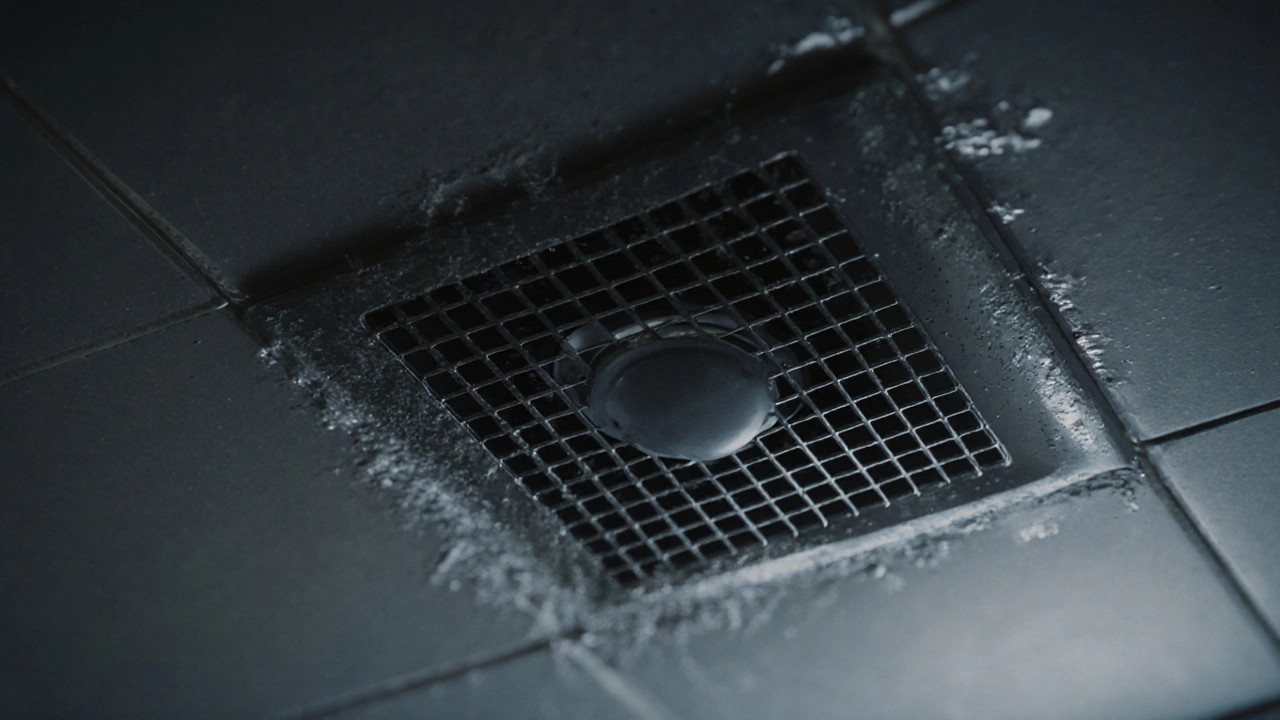
How to Service a Bathroom Extractor Fan - Simple DIY Guide
Learn how to safely service a bathroom extractor fan with a step‑by‑step DIY guide, tools list, maintenance schedule, common fixes, and a FAQ to keep your fan running smoothly.