Extractor Fan Service: Maintenance, Repair, and When to Replace
When you turn on your extractor fan, a ventilation device designed to remove moisture, smoke, and odors from bathrooms and kitchens. Also known as exhaust fan, it’s one of the most ignored but critical parts of your home’s air quality system. If it’s noisy, slow, or not pulling air at all, you’re not just dealing with an inconvenience—you’re inviting mold, mildew, and even fire risks from grease buildup.
Most people think an extractor fan just runs forever. But like any mechanical part, it wears out. The motor burns out. The blades clog with grease. The bearings seize up. A bathroom extractor fan in a high-humidity home can fail in as little as five years if never cleaned. A kitchen extractor fan near a gas stove? Even sooner. Regular extractor fan service isn’t optional—it’s a simple way to avoid costly replacements and health hazards.
What does proper service actually involve? It’s not just wiping the grille. It’s taking the unit apart, cleaning the motor housing, checking the wiring for fraying, testing the capacitor, and making sure the duct isn’t blocked. Many homeowners skip this because they don’t know how—or they think it’s too much work. But the truth? Most issues can be fixed with a screwdriver, a brush, and 20 minutes. If the fan still hums but doesn’t spin? That’s a capacitor. If it’s loud and rattling? Likely the bearings. If it won’t turn on at all? Could be the switch, the wiring, or a blown fuse.
And here’s the thing: if your fan is over eight years old and needs more than a cleaning, replacement is usually smarter than repair. New models are quieter, more energy-efficient, and often come with timers or humidity sensors. Older units use more power, wear faster, and are harder to find parts for. A extractor fan repair might cost $80—but if it breaks again in six months, you’ve wasted time and money. Replacing it with a modern unit? Around $200 installed, and it’ll last a decade.
You don’t need to be an electrician to spot the warning signs. If your bathroom walls stay damp after a shower, if your kitchen smells like last night’s fried food hours later, or if you hear a grinding noise when the fan turns on—that’s your system screaming for attention. Ignoring it doesn’t make the problem go away. It just makes it worse. And worse means more expensive.
Below, you’ll find real guides from people who’ve been there—how to clean your fan without pulling the whole unit down, when to call a pro, what parts actually fail most often, and how to pick a replacement that won’t break the bank. No fluff. No sales pitches. Just what works.
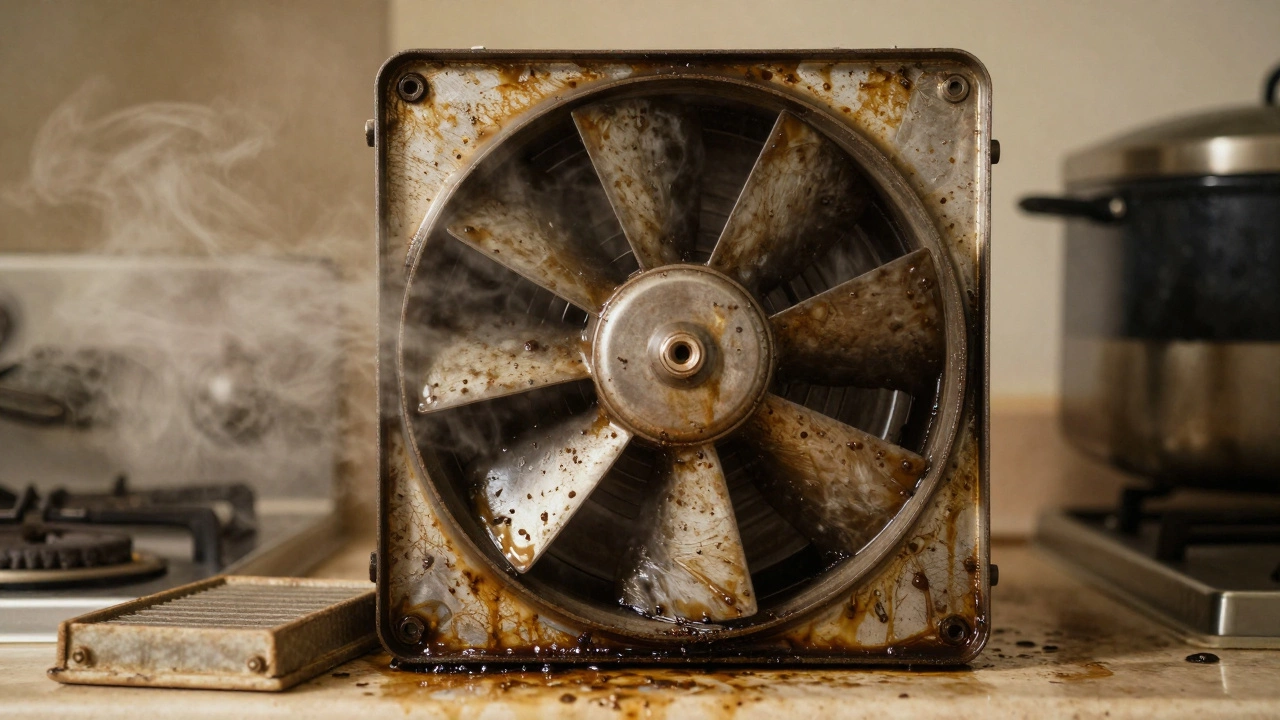
Should Extractor Fans Be Serviced? What You Need to Know
Extractor fans need regular servicing to prevent grease buildup, mold growth, and motor failure. Learn how often to clean them, signs they need repair, and why ignoring maintenance can lead to costly damage.
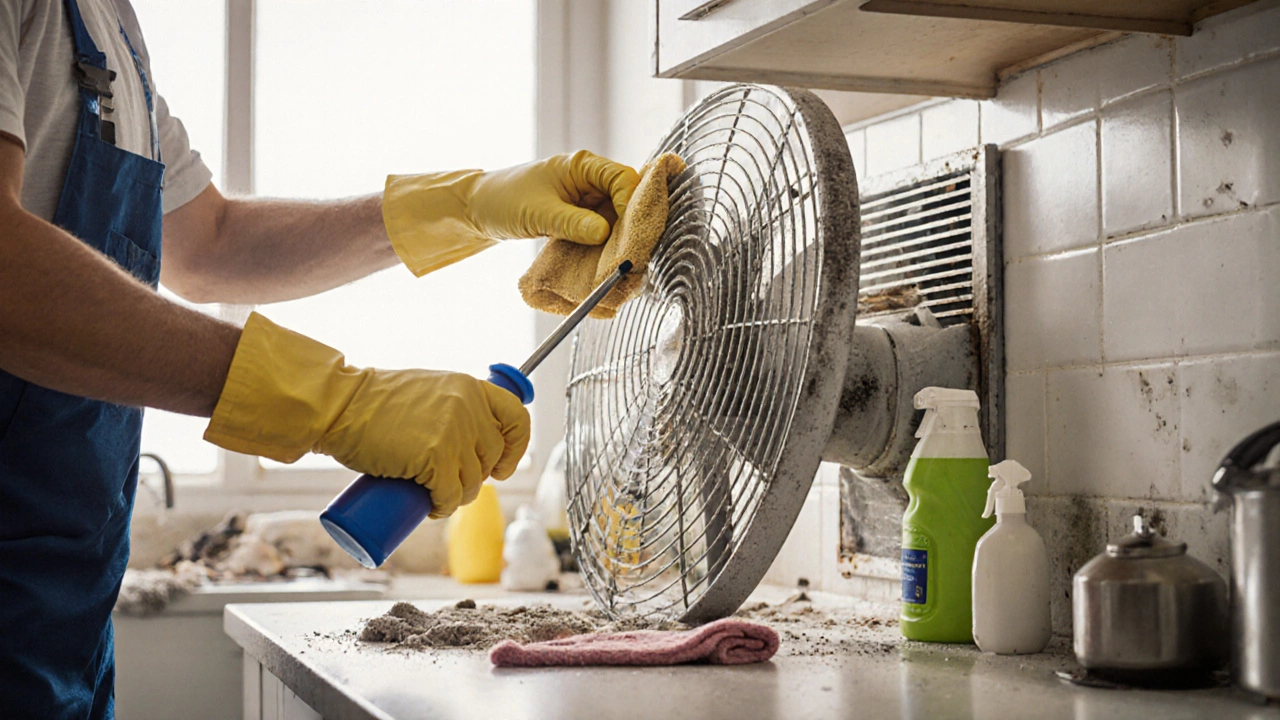
How Long Does It Take to Fix an Extractor Fan? Real-Time Estimates for Common Issues
How long does it take to fix an extractor fan? From a quick clean to a full replacement, get real time estimates for common issues in Brisbane homes. Save money by knowing what’s fixable and what needs replacing.