Fix Washing Machine: Common Problems, Costs, and When to Repair
When your washing machine, a household appliance designed to clean clothes using water and detergent. Also known as a laundry machine, it’s one of the most used devices in any home stops spinning or won’t drain, it’s not just an inconvenience—it’s a daily disruption. Most people assume a broken washer means a new one, but that’s not always true. Many common issues can be fixed for less than the cost of a new machine, especially if you catch them early. In fact, over 60% of washing machine failures are caused by simple, repairable parts like pumps, belts, or door locks—not the motor or drum.
Knowing how to fix washing machine problems starts with recognizing the signs. A loud banging noise? Could be an unbalanced drum or broken suspension. Water leaking under the machine? Likely a worn hose, damaged pump, or cracked tub seal. If it won’t spin, the belt or motor coupler might be broken. These aren’t mysterious failures—they’re predictable wear-and-tear issues that show up after 5 to 8 years of use. That’s the average lifespan of most machines. If yours is older than that, it’s worth checking if repair makes sense financially. Replacing a pump or door latch costs under £100 in parts and labor, while a new washer can easily hit £500 or more.
It’s not just about money. Repairing your washer reduces waste and keeps functional appliances out of landfills. Many local repair technicians, like those in Glastonbury, carry common spare parts and can fix most models from brands like Bosch, Samsung, Whirlpool, and Indesit. You don’t need to be a technician to spot the basics—listen for unusual sounds, check for leaks after a cycle, and see if the machine finishes its program. If it’s stuck on one step or doesn’t fill with water, those are clear signals something’s wrong. And if you’ve tried basic cleaning (like clearing the filter or leveling the machine) and it still won’t work, it’s time to call a pro.
Some people delay repairs hoping the problem will go away. It won’t. A small leak today becomes a flooded kitchen tomorrow. A worn belt might cause the motor to overheat and burn out. Fixing things early saves time, money, and stress. You’ll also extend the life of your machine by years if you maintain it—clean the drum, don’t overload it, and check hoses every six months. These aren’t fancy tips—they’re basic habits that keep your washer running smoothly.
Below, you’ll find real fixes, cost breakdowns, and honest advice from people who’ve been there. Whether your washer’s 3 years old or 12, you’ll find something that helps you decide what to do next—without the sales pitch.
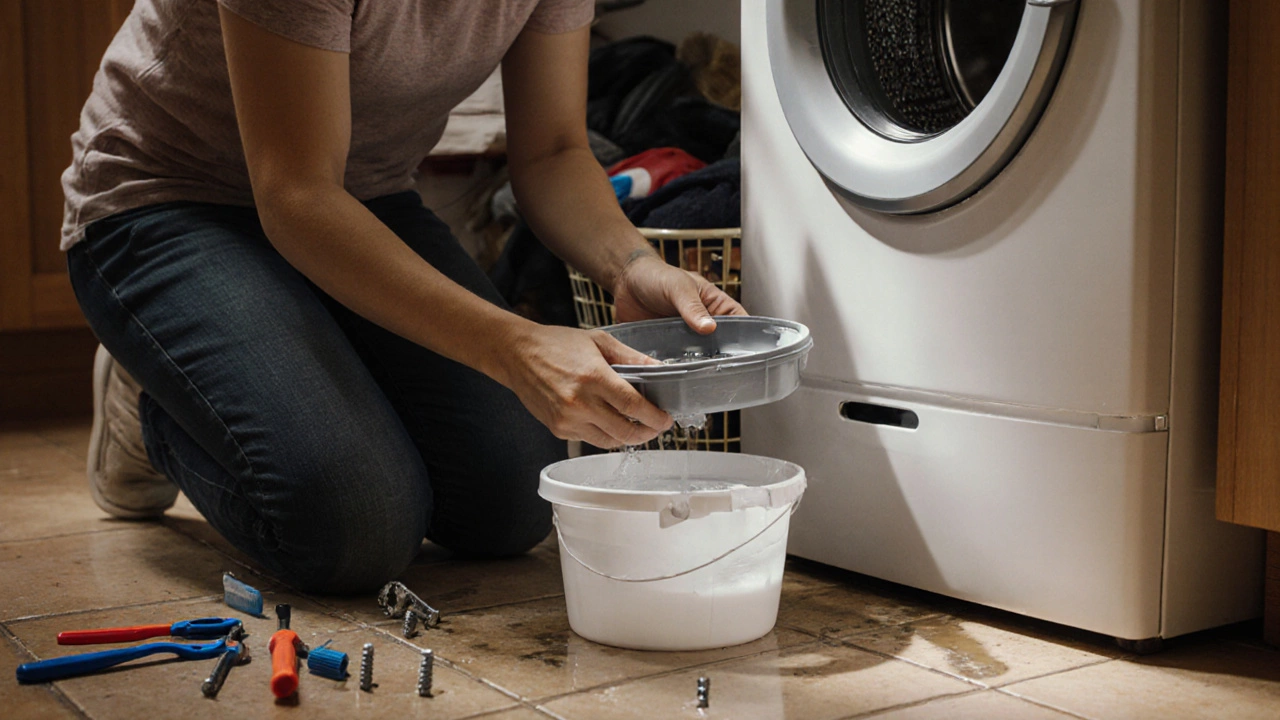
Can You Repair a Washing Machine Yourself? Simple Fixes That Actually Work
Learn how to fix common washing machine problems yourself-drain clogs, broken belts, faulty locks, and leaks-without calling a technician. Save money and extend your machine's life with simple DIY repairs.