Freezer Not Cold? Common Causes and How to Fix It
When your freezer, a household appliance designed to keep food frozen at or below 0°F (-18°C). Also known as deep freezer, it's meant to preserve food for months. If it's not getting cold, you're not just risking spoiled meals—you could be facing a costly replacement. A freezer that won’t chill isn’t always broken beyond repair. Often, it’s something small: a dirty coil, a faulty door seal, or even just a thermostat set too high. Many people assume they need a new unit, but 6 out of 10 freezer issues can be fixed with basic checks—no tools needed.
The freezer temperature, the ideal setting for preserving food safely, typically between 0°F and 5°F (-18°C to -15°C) matters more than you think. If it’s even slightly off, ice builds up, food thaws, and energy bills creep up. A door seal, the rubber gasket around the freezer door that keeps cold air in and warm air out that’s cracked or dirty is one of the top culprits. Try the paper test: close the door on a dollar bill. If you can pull it out easily, the seal isn’t holding. Replace it—it costs under $30 and takes 15 minutes.
Another common issue? condenser coils, the metal pipes at the back or bottom of the freezer that release heat as part of the cooling process. If they’re covered in dust, lint, or pet hair, the freezer can’t cool properly. Vacuum them every six months. No need to call a technician. Also, check if the freezer is level. If it’s tilted, the door won’t close tight, and cold air escapes. A simple bubble level and a wrench can fix that.
Then there’s the thermostat, the control that tells the freezer when to turn on and off. If it’s faulty, the compressor won’t kick in—even if everything else is fine. You can test it with a multimeter if you’re handy, or just turn the dial to the coldest setting and wait 24 hours. If it still doesn’t cool, the issue might be the compressor, the start relay, or a refrigerant leak. Those are real repair jobs.
Don’t ignore strange noises either. A loud humming or clicking can mean the compressor is struggling. A quiet freezer that’s warm? That’s worse. Sometimes, overstuffing blocks airflow. Leave space around items so cold air can circulate. And never put hot food straight in—it forces the system to work overtime.
If your freezer is over 10 years old, repair costs might add up fast. But if it’s under 7 years and the issue is simple, fixing it saves money and cuts waste. Most people replace freezers too soon because they don’t know what to check. You don’t need to be an expert—just patient and methodical. Start with the seal, clean the coils, check the temp setting, and make sure it’s not blocked. If none of that works, it’s time to call a local pro who knows your model.
Below, you’ll find real fixes from actual repairs—no fluff, no guesses. Just what works when your freezer stops cooling down.
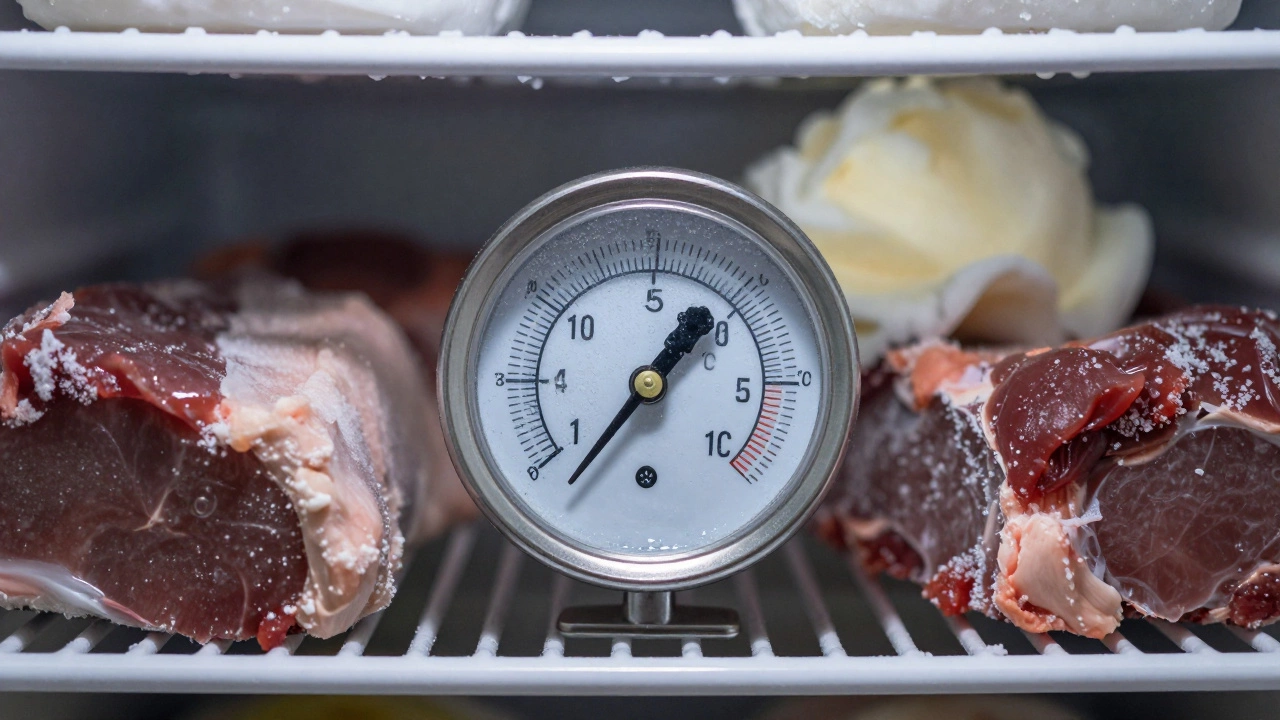
How to Tell If Your Freezer Is Broken: 7 Clear Signs You Need Repair
Learn the 7 clear signs your freezer is broken, from temperature issues to strange noises and frost buildup. Know when to repair or replace before your food spoils.