Oven Lifespan: How Long Should Your Oven Last and When to Repair or Replace
When you buy a new oven, you expect it to last. But how long oven lifespan, the average time a home oven remains functional before needing major repair or replacement really is depends on more than just brand or price. Most standard electric or gas ovens last between 10 and 15 years with normal use. That’s not forever—but it’s long enough that when your oven starts acting up around year 12, you’re left wondering: is this the end, or can it be fixed?
The real question isn’t just age—it’s what’s broken. A faulty oven heating element, the part that generates heat inside the oven cavity, usually visible as a coiled wire at the top or bottom is cheap and easy to replace. Same with a broken door seal or thermostat. But if your oven control board, the electronic brain that manages temperature, timers, and settings is failing, you’re looking at a repair that often costs half as much as a new oven. That’s when lifespan becomes a numbers game. If your oven is over 12 years old and the control board is dead, replacing it might feel like throwing good money after bad. You’re not just paying for a part—you’re paying for a system that’s already worn out.
What kills ovens faster? Leaving them on too long, skipping cleanings, or ignoring small issues like uneven heating or strange noises. A dirty oven doesn’t just smoke—it puts extra strain on the heating elements and fan. Over time, that stress adds up. And if you’ve got an older model without modern safety features, a single malfunction could mean more than just a ruined roast—it could be a fire risk. That’s why knowing the signs matters more than the clock. Flickering displays, error codes you can’t find in the manual, or food that cooks unevenly even after resetting? Those aren’t just annoyances. They’re red flags.
You don’t need to be an electrician to spot trouble. If your oven takes twice as long to preheat, or the temperature feels off by 50 degrees, that’s not normal. It’s a sign the heating element or sensor is wearing out. And if you’ve had multiple repairs in the last two years, you’re not saving money—you’re extending a dying appliance. Most people don’t realize that a 15-year-old oven uses 30% more energy than a new Energy Star model. That adds up over time, even if the repair bill seems low.
Below, you’ll find real stories from people who’ve been there: the DIY fix that saved their oven, the repair that turned into a waste of cash, and the quiet moment when they finally said, "It’s time." Whether you’re debating a $150 part or a $1,000 replacement, these posts give you the facts—not sales pitches. No fluff. Just what works, what doesn’t, and when to walk away.
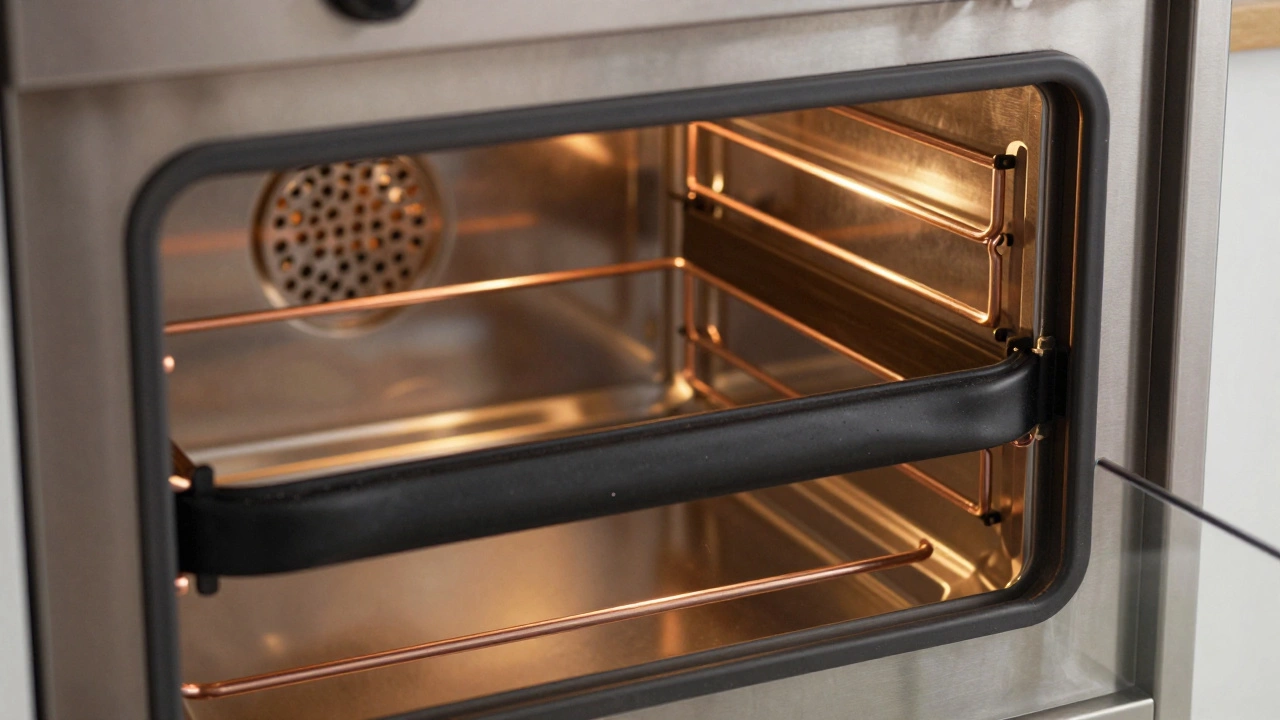
Which Oven Brand Lasts the Longest? Real-World Data from 10+ Years of Repairs
Which oven brand lasts the longest? Based on real repair data from 2015-2025, Thermador, Wolf, and GE Profile outlast most competitors by 5-10 years. Learn what makes them durable-and which brands fail early.
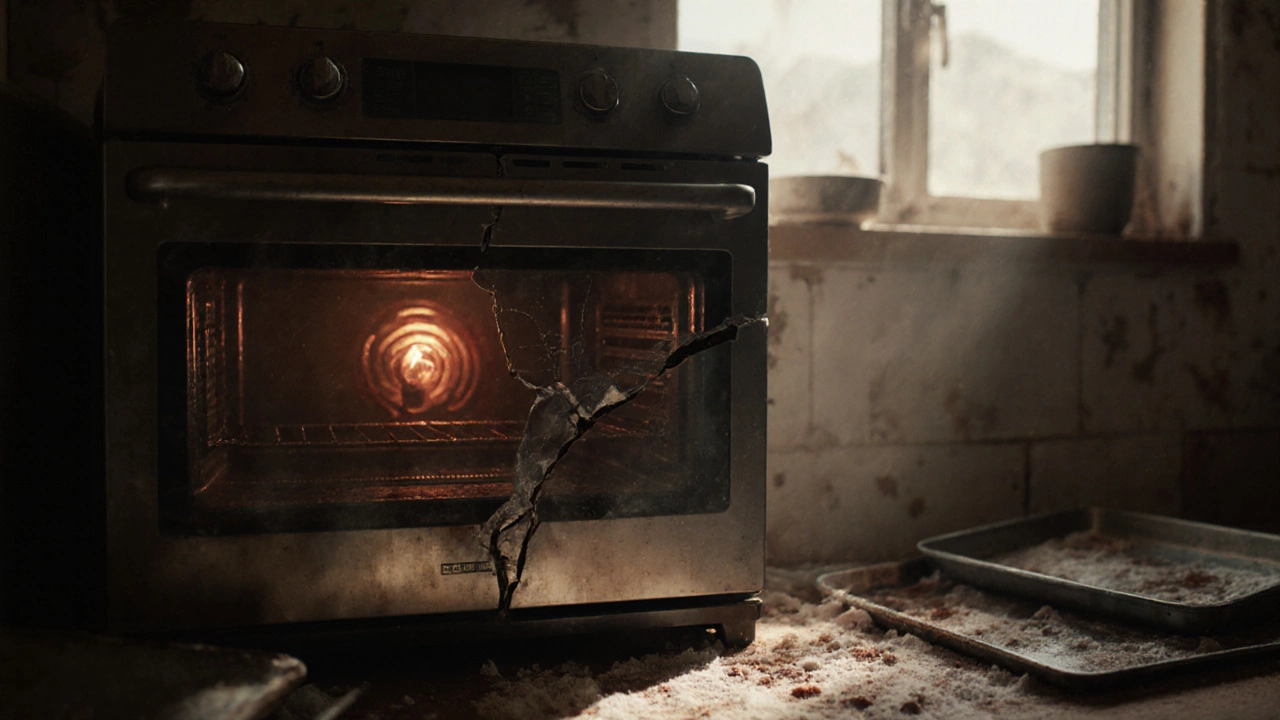
What Is the Life Expectancy of an Oven? Real-World Durability and When to Replace
Most ovens last 10 to 15 years, but signs like uneven heating, high energy bills, or repeated repairs mean it’s time to replace. Learn how to extend your oven’s life and when to walk away.
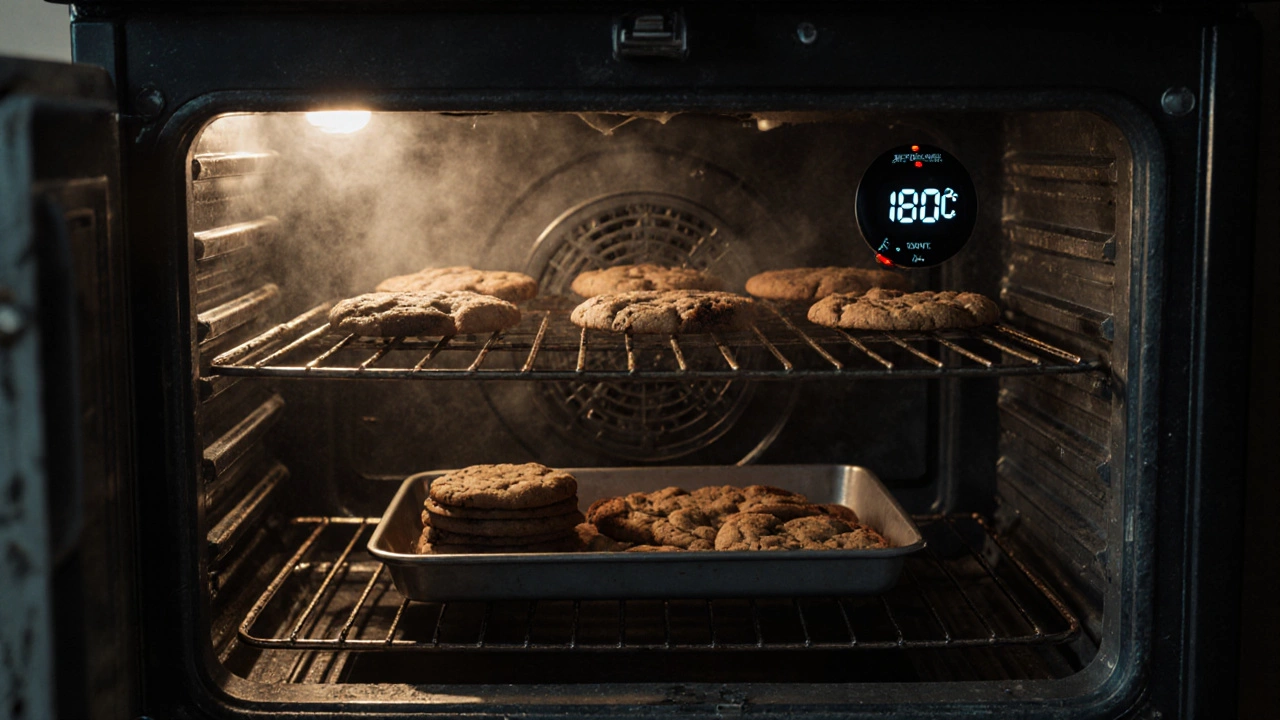
How Do I Know When My Oven Needs to Be Replaced?
Learn the key signs your electric oven needs replacing-uneven heating, rising bills, strange smells, and more. Save money, energy, and avoid safety risks by knowing when to replace instead of repair.