Replace Oven Control Board
When working with oven control board, the electronic module that tells an oven when to heat, when to cool, and how long to run each cycle. Also known as oven control panel, it is a key component of any modern oven, the kitchen appliance that bakes and roasts food. The board works together with the thermostat, the sensor that measures internal temperature and the heating element, the coil that converts electricity into heat. In short, the control board encompasses the oven’s logic, requires proper wiring, and influences the performance of the heating element. Below we’ll explore why the board fails, how to decide if you should replace oven control board, and what tools you’ll need.
Why the Control Board Fails and When to Replace It
Most homeowners notice a problem before the board actually burns out. Typical signs include erratic temperature readings, the oven refusing to start, or random error codes flashing on the display. Those symptoms usually point to a faulty board rather than a broken heating element. If you’ve already tested the element and the thermostat with a multimeter and they check out, the next step is the board itself. A cracked solder joint or a water‑damaged circuit can cause intermittent failures. Knowing these clues helps you avoid unnecessary part swaps and saves money.
Cost is a big question for anyone considering a repair. A new control board for a mid‑range oven typically runs between £70 and £150, plus labor if you hire a professional. DIY enthusiasts can cut the labor cost completely, but they should factor in the price of safety gear, a multimeter, and possibly a replacement fuse. In Glastonbury, local repair shops often charge £50‑£80 for a board swap, which includes a quick diagnostic test. Compare that to buying a brand‑new oven, which can easily exceed £500, and you’ll see why many choose the board route.
Before you order a replacement, verify the exact model number printed on the existing board. The serial label usually reads something like “Model XYZ‑1234 Rev A”. Matching this code with the part number on the supplier’s website ensures you don’t end up with a board that won’t fit. Many manufacturers also release firmware updates that address known bugs; checking the brand’s support page can reveal a free software fix that avoids a hardware swap altogether.
If you’re comfortable with basic electrical work, the DIY process is straightforward. First, unplug the oven and turn off the circuit breaker – safety first. Remove the back panel to expose the wiring harness, then disconnect the board’s connectors. Take a photo of the wiring layout before you pull anything; it’s the easiest way to remember where each clip goes. Slide the old board out, line up the new one, and re‑attach the connectors. Finally, replace the panel, restore power, and run a quick bake test to confirm the oven heats to the set temperature.
Even seasoned technicians sometimes run into hidden issues. In older ovens, the board may be glued in place or sealed with silicone, requiring a gentle prying tool to avoid damaging the surrounding metal. Additionally, corrosion on the terminal blocks can cause a new board to misbehave right out of the box. A quick spray of contact cleaner and a dry cloth can restore a solid connection. If the oven still throws errors after the swap, the problem might lie in the wiring harness itself – look for frayed wires or loose clamps.
Whether you decide to call a Glastonbury repair pro or take the plunge yourself, the key is to diagnose correctly, source the right part, and follow safety protocols. The articles below walk you through related topics such as oven thermostat troubleshooting, heating element checks, and general appliance repair tips. Armed with that knowledge, you’ll be able to decide when a simple board change will bring your oven back to life and when it’s time to think about a full replacement.
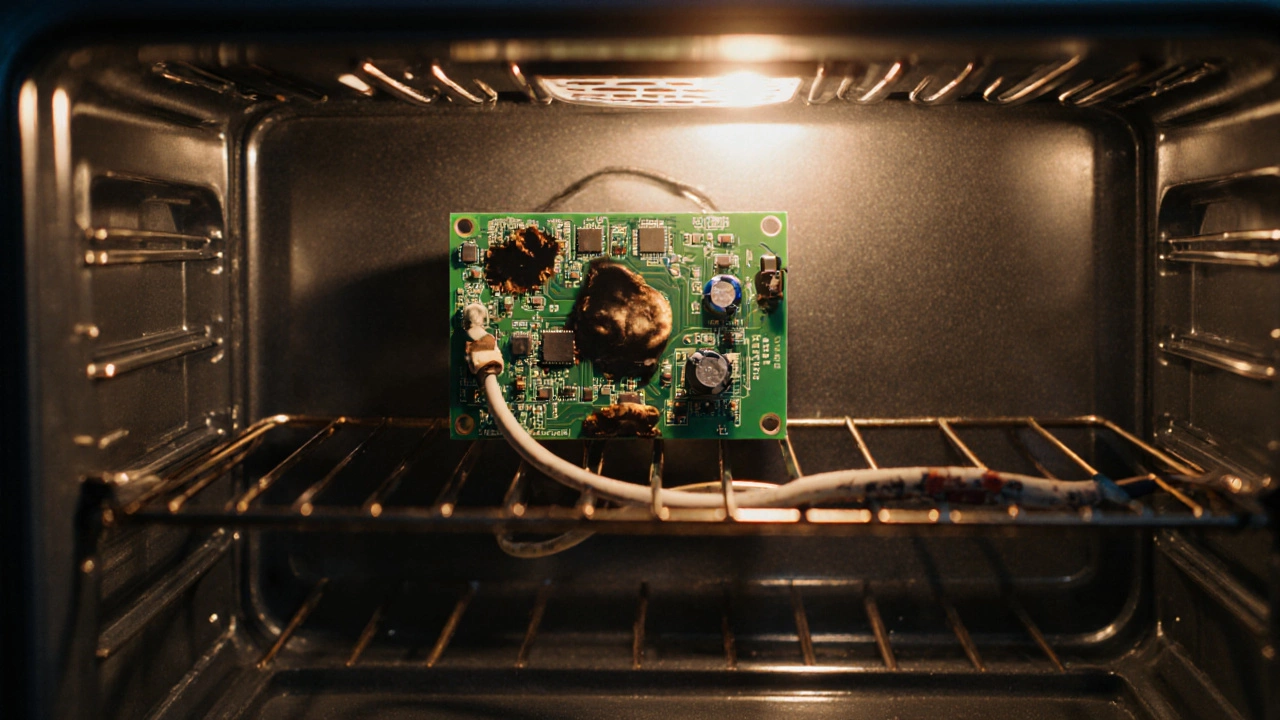
Diagnosing a Bad Oven Control Board: Signs, Tests, and Fixes
Learn how to spot a failing oven control board, run simple tests with a multimeter, and safely replace it. Includes symptom checklists, troubleshooting steps, and FAQs.