Heat pumps are one of the most efficient ways to heat and cool your home, especially in places like Brisbane where summers are hot and winters are mild. But even the best systems don’t last forever. If your heat pump is blowing cold air in winter, making strange noises, or just shutting off randomly, it’s not just bad luck-it’s usually a sign of something deeper going wrong.
Dirty Air Filters Are the #1 Killer
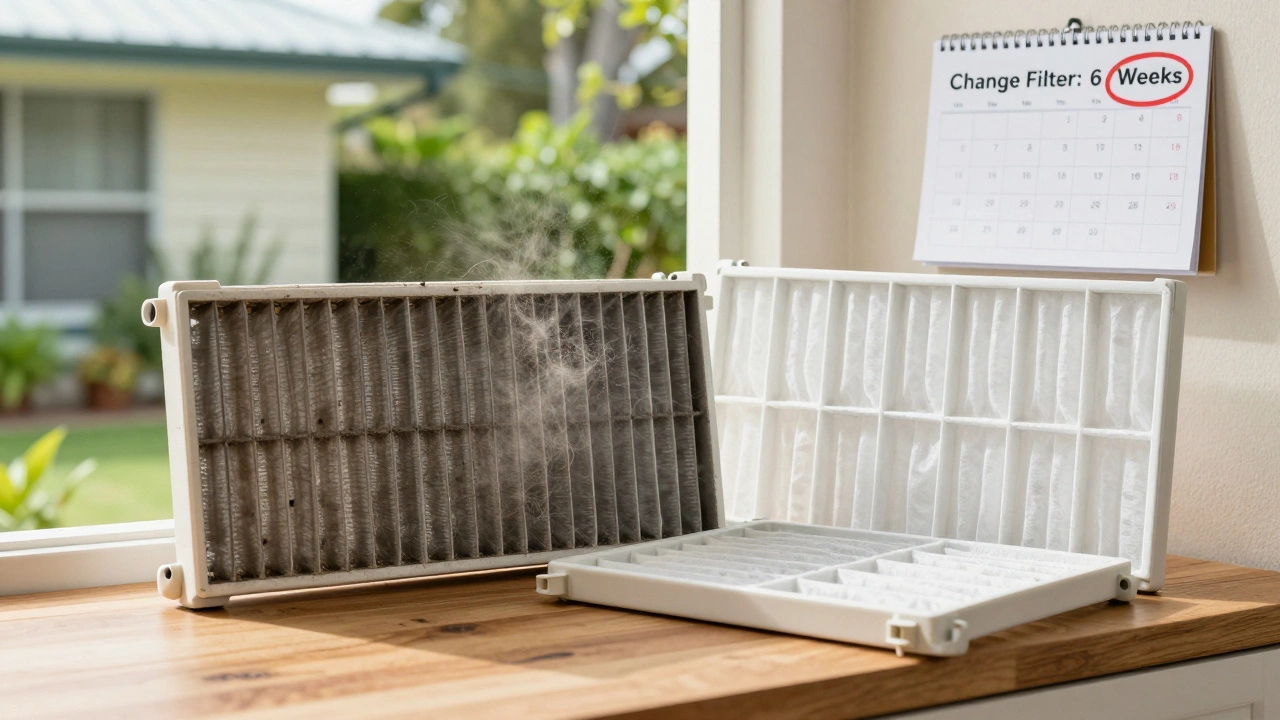
Most heat pump failures start with something simple: a dirty air filter. It sounds minor, but a clogged filter forces the system to work harder. Air can’t flow through properly, so the evaporator coil freezes up. When that ice melts, water floods the drain pan and triggers a safety shut-off. Over time, the compressor gets stressed from running non-stop trying to push air through the blockage. I’ve seen heat pumps die within two years because the owner never changed the filter. Most manufacturers say to change it every 3 months. In a dusty Brisbane home with pets or construction nearby, do it every 6 weeks.
Refrigerant Leaks Don’t Fix Themselves
If your heat pump isn’t heating or cooling like it used to, check the refrigerant. Leaks happen-usually at the copper lines, valves, or the evaporator coil. A low refrigerant charge doesn’t mean you just need a top-up. It means there’s a hole somewhere. Adding more refrigerant without fixing the leak is like putting tape on a flat tire. The system will run longer, use more electricity, and eventually burn out the compressor. A professional will find the leak with a dye or electronic sniffer, then solder or replace the damaged section. Don’t ignore this. A full refrigerant recharge costs $300-$500. A new compressor? That’s $1,500-$3,000.
Electrical Problems Are Silent Killers
Heat pumps have a lot of moving parts that rely on electricity: capacitors, contactors, control boards, sensors. A failing capacitor is one of the most common reasons a heat pump won’t start. You might hear a hum but no fan, or the unit turns on for a few seconds then shuts off. Capacitors store power to give the motor that initial kick. When they wear out, the motor can’t spin up. They don’t last forever-5 to 10 years is typical. If your heat pump is older than 7 years and keeps tripping the breaker, it’s probably the capacitor or the contactor. Both are cheap fixes, under $200, if caught early. But if you ignore it, the motor burns out. And replacing the motor? You’re better off replacing the whole unit.
Outdoor Unit Blockage Is More Common Than You Think
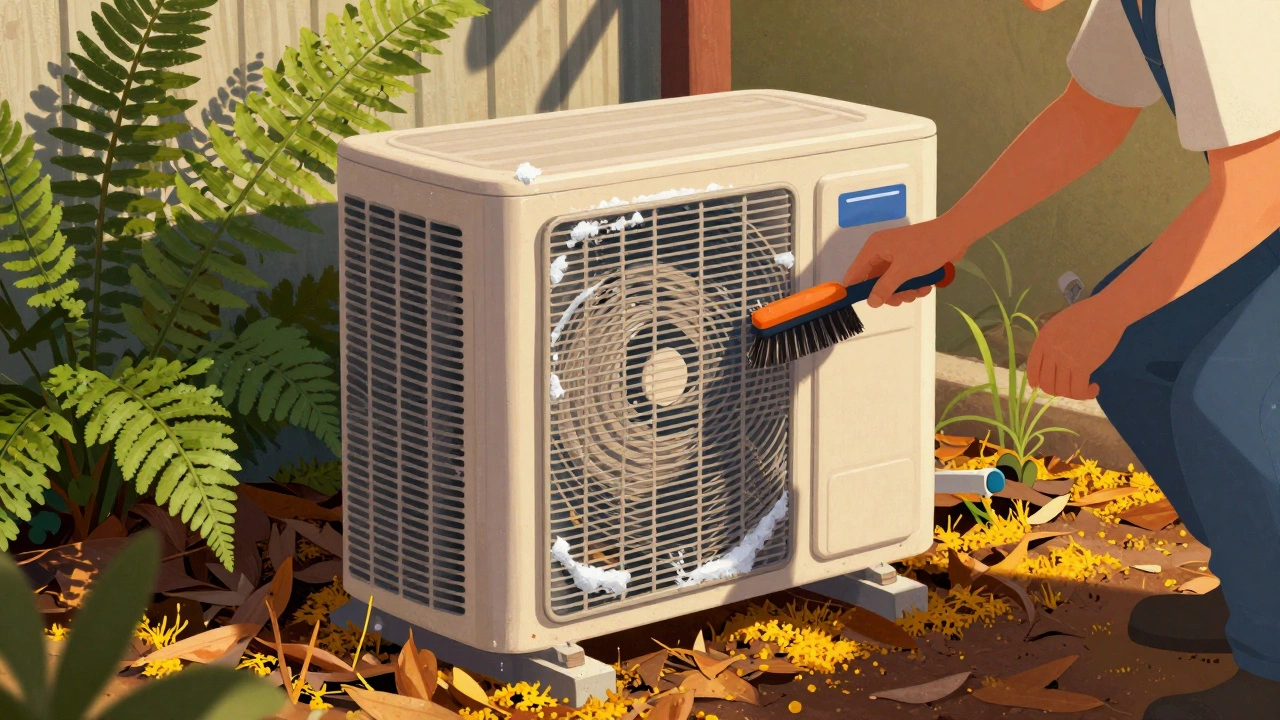
That outdoor unit needs breathing room. In Brisbane, we get a lot of pollen, leaves, and dust. A heat pump buried under grass clippings or covered by overgrown shrubs can’t release heat properly. That causes high head pressure, which strains the compressor. I’ve pulled units out from under piles of mulch and dead ferns. Even a few inches of debris can reduce efficiency by 30%. Keep at least 1.5 meters of clearance on all sides. Clean the fins with a soft brush and a garden hose once a year. Don’t use a pressure washer-it bends the delicate aluminum fins. Bent fins mean poor airflow, which leads to overheating and early failure.
Thermostat Issues Are Often Blamed on the Heat Pump
Before you call a technician, check the thermostat. A faulty or outdated thermostat can make your heat pump run constantly, shut off too soon, or not turn on at all. Old analog thermostats with mercury switches are especially unreliable. If your thermostat is more than 10 years old, it’s probably the culprit. Modern smart thermostats are more accurate and can even send alerts when something’s off. But even a digital one can fail if it’s wired wrong or exposed to direct sunlight. Try replacing the batteries first. Then test it by turning the heat pump on manually at the unit. If it works there but not from the wall, the thermostat is the issue. Replacing one costs $50-$150. Replacing a compressor because of a bad thermostat? That’s just money down the drain.
Improper Installation Dooms Even the Best Units
A heat pump installed wrong will fail faster than one that’s old but well cared for. I’ve seen units installed with the wrong refrigerant charge, undersized ductwork, or no proper drainage. One common mistake: placing the outdoor unit on a concrete slab without a pad. In Brisbane’s wet climate, the unit sinks slightly over time, tilting the compressor and causing oil to pool in the wrong places. That leads to premature bearing wear. Another: using cheap copper lines that aren’t properly insulated. Condensation builds up, rusts fittings, and causes leaks. Always hire a licensed technician who follows Australian Standard AS/NZS 3823. A proper installation includes a load calculation, correct refrigerant amount, and a vacuum test to remove air and moisture. Cutting corners here means paying twice.
Age Is the Final Enemy
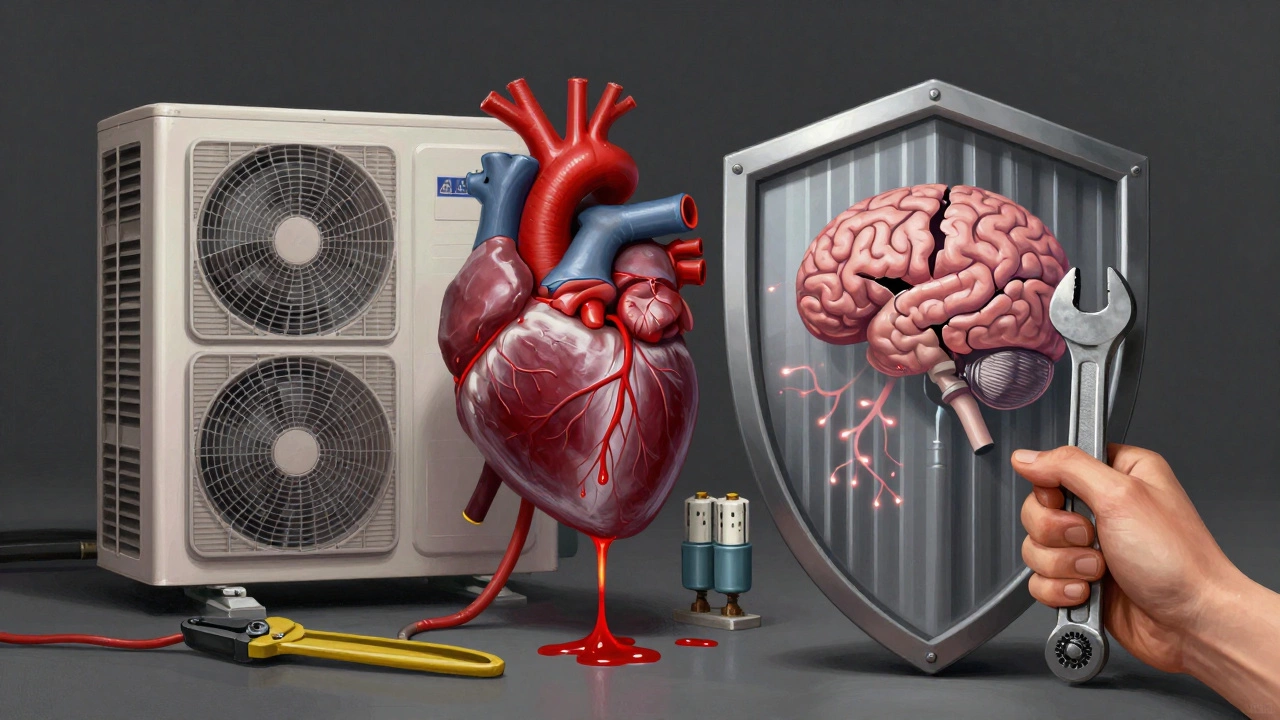
Even if you do everything right, heat pumps don’t last forever. Most last 10 to 15 years. After 12 years, parts become harder to find. Manufacturers stop supporting older models. A 15-year-old heat pump might still run, but it’s using 40% more electricity than a new one. That’s hundreds of dollars a year in wasted energy. If your unit is over 10 years old and you’re starting to see frequent repairs, it’s not worth patching it anymore. Replacing it now saves you money in the long run. New models are quieter, smarter, and can cut your energy bill by up to 50%.
What You Can Do to Extend Your Heat Pump’s Life
- Change the air filter every 6-8 weeks, especially in dusty areas.
- Clear debris from the outdoor unit every season.
- Keep shrubs and plants at least 1.5 meters away.
- Have a professional service the system once a year-before winter and before summer.
- Check the thermostat batteries and calibration every 6 months.
- Listen for unusual noises: grinding, squealing, or loud buzzing.
- Watch for ice buildup on the outdoor unit in winter-that’s a red flag.
These aren’t fancy tricks. They’re basic habits. People who do them regularly get 15-20 years out of their heat pumps. Those who don’t? They’re replacing theirs every 8-10 years.
When to Call a Pro
You don’t need to be an expert to spot trouble. If your heat pump:
- Doesn’t turn on at all
- Blows cold air when set to heat
- Runs non-stop without reaching the temperature
- Makes loud clanking or grinding noises
- Has water leaking from the indoor unit
- Shows error codes on the display
Then it’s time to call someone. Don’t try to fix refrigerant lines, capacitors, or control boards yourself. These aren’t DIY fixes. One wrong move can make things worse-or dangerous. A licensed technician will diagnose the issue, give you a clear quote, and explain your options. Most reputable companies offer a free diagnostic check. Use that. It’s better than guessing.
Can a heat pump last 20 years?
Yes, but only if it’s installed correctly and maintained regularly. Most heat pumps last 10-15 years, but units that get annual servicing, clean filters, and proper airflow can reach 18-20 years. The key isn’t the brand-it’s how well it’s cared for.
Is it worth repairing a 12-year-old heat pump?
It depends on the repair. If it’s a capacitor or thermostat, yes-those cost under $300. But if it’s the compressor, refrigerant leak, or control board, it’s usually better to replace it. A 12-year-old unit is already near the end of its life, and parts are harder to find. New models are 40-50% more efficient, so you’ll save money on bills and get better comfort.
Why does my heat pump freeze up in winter?
Freezing usually means poor airflow or low refrigerant. A dirty filter, blocked outdoor unit, or refrigerant leak can cause the evaporator coil to get too cold and ice over. The system will go into defrost mode to melt it, but if the problem isn’t fixed, it keeps happening. That stresses the compressor and wastes energy. Clean the filter and check the outdoor unit first. If it still freezes, call a technician.
How often should a heat pump be serviced?
Once a year, ideally before the peak season-so in late winter before summer cooling kicks in, or early autumn before winter heating starts. A technician will check refrigerant levels, clean coils, test electrical components, and inspect the ductwork. Skipping service doesn’t save money-it just delays the inevitable breakdown.
Can I clean the outdoor unit myself?
Yes, but carefully. Turn off the power first. Use a garden hose with a gentle spray to rinse off leaves, dirt, and pollen from the fins. Don’t use a pressure washer-it bends the fins. Brush off stubborn grime with a soft brush. Straighten bent fins with a fin comb, available at hardware stores. Keep the area clear of plants and debris. This simple step alone can add years to your unit’s life.