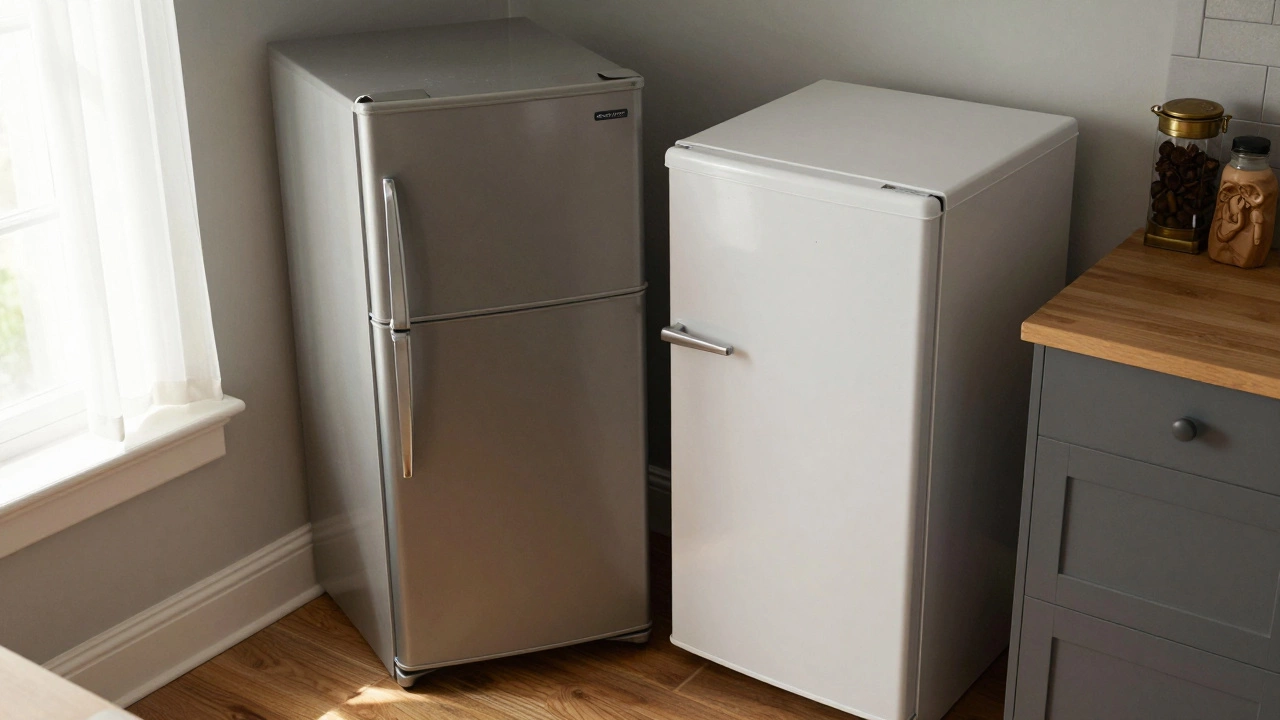
Freezer Repair vs. Replace Calculator
That hum in the kitchen has been your constant companion for years. You trust it with your holiday turkeys, your bulk-bought ice cream, and those frozen vegetables you swear you’ll cook someday. But at some point, every owner wonders: how long should this thing last? Is it time to buy a new unit, or can you squeeze out another few years with a simple fix?
The short answer is that most freezers are built to last between 10 and 20 years. However, "average" doesn't always apply to your specific machine. A standalone chest freezer might outlive a built-in unit by a decade, while a smart freezer with Wi-Fi connectivity might become obsolete before its compressor fails. Understanding what drives these numbers helps you decide whether to call a technician or start shopping for a replacement.
Factors That Determine How Long Your Freezer Lasts
Not all freezers are created equal, and their longevity depends heavily on design, usage, and maintenance. The type of freezer you own sets the baseline for its expected lifespan.
| Freezer Type | Average Lifespan | Key Factors |
|---|---|---|
| Chest Freezer | 15-20+ years | Simpler mechanics, less door opening, robust insulation |
| Upright Freezer (Standalone) | 12-16 years | More moving parts (shelves, drawers), moderate complexity |
| Built-in/Integrated Freezer | 10-14 years | Poor ventilation space, higher heat stress, complex installation |
| Smart/Connected Freezer | 8-12 years | Electronics failure risk, software obsolescence, complex sensors |
Chest freezers are the workhorses of the freezer world. They have fewer moving parts. The lid stays closed more often than a door does, meaning cold air doesn’t escape as easily. This reduces the workload on the compressor, which is the engine of your freezer. Less work means less wear and tear. If you’re storing bulk meat or game, a chest freezer is likely to give you the longest service life.
In contrast, Built-in freezers are units designed to fit seamlessly into kitchen cabinetry. They often suffer from poor ventilation. Because they are enclosed in cabinets, heat builds up around the condenser coils. The compressor has to run harder and longer to maintain temperature, leading to premature failure. If your freezer is tucked away in a tight cupboard, expect a shorter lifespan.
Energy efficiency ratings also play a role. Older models from the 1990s and early 2000s were often built like tanks but consumed massive amounts of electricity. Newer models use advanced refrigerants like R-600a (Isobutane) is an eco-friendly refrigerant gas used in modern appliances. While these newer units are more efficient, they sometimes rely on more delicate electronic controls rather than heavy-duty mechanical timers.
Signs Your Freezer Is Reaching the End of Its Life
You don’t need a calendar to know when your freezer is dying. It will tell you through its behavior. Ignoring these signs can lead to spoiled food and higher energy bills.
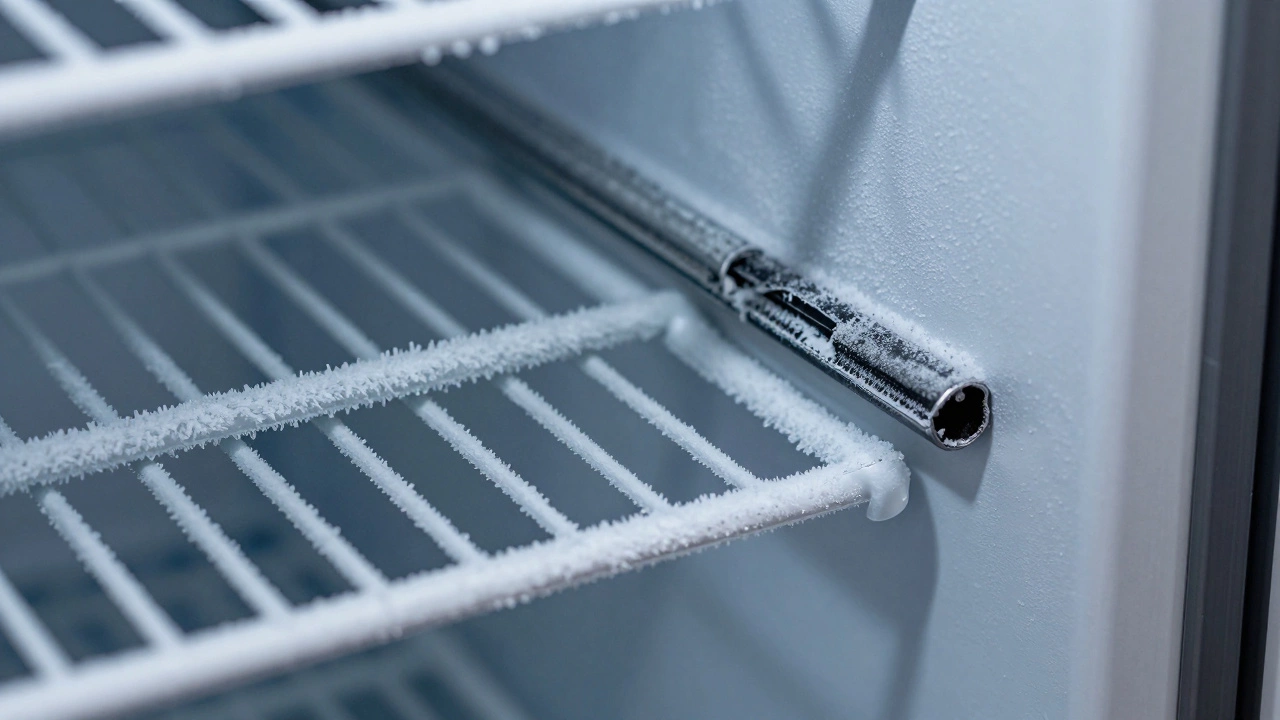
- Frequent Frost Buildup: If your non-frost-free freezer develops thick layers of ice despite being defrosted regularly, the door seal might be compromised, or the automatic defrost system (if equipped) is failing.
- Unusual Noises: A gentle hum is normal. Loud buzzing, grinding, or clicking sounds suggest the compressor or fan motor is struggling. This is often a precursor to total failure.
- Temperature Inconsistency: If the thermostat says it’s 0°F (-18°C) but your ice cream is melting, the cooling system isn’t working efficiently. Check if the coils are dirty first.
- High Energy Bills: An aging freezer works harder to keep things cold. If your electricity bill spikes without other changes in usage, your appliance might be the culprit.
- Water Leaks: Puddles under the freezer often indicate a clogged defrost drain or a cracked water reservoir. This is common in older units where plastic components become brittle over time.
If you notice two or more of these issues, especially if the unit is over 10 years old, it’s worth considering replacement. Repairing multiple systems can cost more than buying a new, energy-efficient model.
Repair vs. Replace: Making the Smart Choice
When your freezer starts acting up, the immediate question is whether to fix it or toss it. There’s no one-size-fits-all rule, but here’s a practical framework to help you decide.
First, consider the age of the unit. If your freezer is less than 7 years old, repair is usually the better option. Modern appliances are reliable, and parts are readily available. A failed start relay or a faulty thermostat can often be replaced for under $100, extending the life of the machine significantly.
If the freezer is between 7 and 12 years old, look at the cost of the repair. A good rule of thumb is the "50% Rule." If the repair cost is more than half the price of a new equivalent unit, replace it. For example, if a new upright freezer costs $500, don’t spend more than $250 on repairs. Beyond that, you’re investing in a machine that will likely fail again soon.
For units older than 12 years, replacement is almost always the smarter financial move. Even if the repair is cheap, the rest of the system is worn out. The compressor, fans, and insulation are nearing their end. Plus, you’ll miss out on the energy savings of a newer model. A modern freezer can use up to 30% less electricity than one from 15 years ago, paying for itself over time.
How to Extend Your Freezer’s Lifespan
You can’t stop time, but you can slow down wear and tear. Simple maintenance habits can add several years to your freezer’s life.
- Clean the Condenser Coils: Dust and pet hair accumulate on the coils (usually located at the back or bottom). This insulates them, forcing the compressor to work harder. Vacuum them every six months.
- Check Door Seals: Close the door on a dollar bill. If you can pull it out without resistance, the seal is weak. Replace the gasket to prevent cold air loss.
- Keep It Full (But Not Overfull): A full freezer retains cold better than an empty one because the frozen items act as thermal mass. If you’re moving out, fill empty spaces with boxes of water bottles.
- Ensure Proper Ventilation: Leave at least 2 inches of space around the freezer for air circulation. Built-in units need even more care to ensure vents aren’t blocked.
- Defrost Regularly: For manual-defrost models, keep frost thickness under 1/4 inch. Thick ice acts as an insulator, making the cooling system inefficient.
These steps seem small, but they reduce the strain on the compressor, which is the most expensive part to replace. By keeping the system clean and efficient, you give your freezer the best chance to reach its full potential lifespan.
When Technology Becomes Obsolete
In the past, a freezer lasted until it broke. Today, technology adds a new variable: obsolescence. Smart freezers with touchscreens, Wi-Fi connectivity, and app integration are becoming common. These features are convenient, but they come with risks.
Electronics degrade faster than mechanical parts. A smart screen might flicker or stop responding after five years, even if the cooling system is fine. Manufacturers may stop supporting older software versions, leaving you with a device that can’t connect to your home network or receive security updates. If you value convenience and connectivity, plan to replace your smart freezer sooner than a traditional model.
Additionally, environmental regulations are phasing out certain refrigerants. Older models may use R-134a or even R-12, which are being restricted due to their impact on the ozone layer and climate change. Finding technicians willing or able to service these older refrigerants can become difficult and expensive. Upgrading to a unit with modern, eco-friendly refrigerants ensures easier maintenance and compliance with future regulations.
Cost of Ownership Over Time
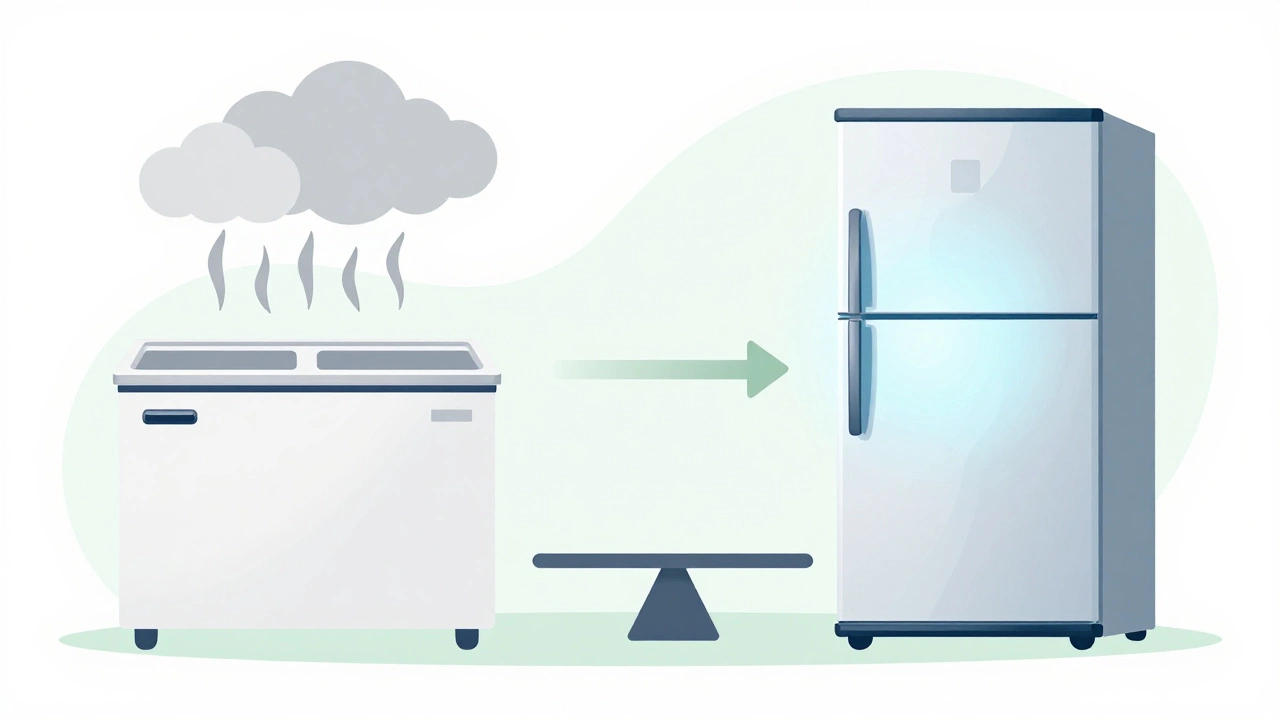
Buying a cheap freezer might seem like a bargain, but the total cost of ownership tells a different story. Consider the purchase price, installation costs, energy consumption, and potential repairs.
A budget freezer might cost $300 upfront but consume 400 kWh per year. At average electricity rates, that’s about $50 annually in power costs. Over 10 years, that’s $500 just in electricity. Add in potential repairs, and the total cost rises quickly.
A premium, energy-efficient model might cost $600 but use only 250 kWh per year. That’s roughly $30 annually, saving you $20 each year. Over 10 years, you save $200 in electricity alone. Factor in better build quality and longer warranty coverage, and the premium model often pays for itself.
Look for the EnergyGuide label is a standardized tag showing estimated annual energy consumption. on any new purchase. It provides a clear comparison of operating costs between models. Choosing a highly rated unit reduces your carbon footprint and lowers your utility bills.
Making the Final Decision
Deciding when to replace your freezer is a balance of performance, cost, and convenience. If your current unit is reliable, efficient, and meets your needs, there’s no rush to upgrade. Keep maintaining it, and it could serve you well for many more years.
However, if you’re dealing with frequent breakdowns, rising energy bills, or spoiled food, it’s time to let go. The market offers more efficient, quieter, and feature-rich options than ever before. Investing in a new freezer isn’t just about replacing a broken appliance; it’s about improving your daily life and reducing long-term costs.
Take stock of your current situation. Check the age, note the symptoms, and calculate the potential savings. With careful consideration, you can make a decision that benefits both your wallet and your household.
How do I know if my freezer compressor is failing?
A failing compressor often makes loud buzzing or clicking noises. You might also notice that the freezer isn’t staying cold enough, or the compressor runs constantly without cycling off. If the exterior of the freezer feels unusually hot, the compressor is working too hard. These are strong indicators that professional inspection is needed.
Is it worth repairing a 15-year-old freezer?
Generally, no. At 15 years old, most components are near the end of their lifespan. Even if one part is fixed, another is likely to fail soon. Additionally, older models are less energy-efficient, costing more to run. Replacing it with a modern, efficient unit usually saves money in the long run.
Why does my freezer keep frosting up?
Frost buildup is usually caused by warm, moist air entering the freezer. This happens if the door seal is damaged, the door isn’t closing properly, or the defrost system (in frost-free models) is malfunctioning. Check the gaskets for cracks or gaps and ensure the drain hole isn’t clogged.
Can cleaning the coils extend the life of my freezer?
Yes, significantly. Dirty coils force the compressor to work harder to dissipate heat, leading to premature wear. Cleaning them every six months improves efficiency and reduces strain on the system, potentially adding several years to the freezer’s lifespan.
What is the most common cause of freezer failure?
The compressor is the most common point of failure. It’s the heart of the cooling system, and like any engine, it wears out over time. Other frequent issues include faulty start relays, clogged defrost drains, and worn-out door seals, which are easier and cheaper to fix.