Oven Brand Reliability & Repair Estimator
Select your preferred brand or usage profile to see estimated time-to-first-repair, common issues, and potential savings.
Analysis for
Time to First Repair
Average estimateCommon Failure Points
Repair Cost Index
Relative to market avgRecommendation
Best For
You just spent $2,500 on a shiny new electric oven. It looks sleek in your kitchen, and you’re feeling pretty good about yourself. Then, eighteen months later, the heating element quits right before Thanksgiving dinner. Or maybe the digital display starts flickering like it’s possessed. You call the technician, pay the call-out fee, and wonder: did I pick the wrong brand?
This isn’t just bad luck. Some brands build tanks; others build disposables. If you’re tired of guessing which appliance will survive your cooking habits, you need to look at the data, not just the marketing brochures. We’re going to break down which brands actually have the least repairs, why they do, and how you can make sure your next purchase doesn’t end up in a service tech’s van.
The Reliability Reality Check
Let’s cut through the noise. There is no single "perfect" brand that never breaks. However, there are clear leaders in terms of low failure rates. When we talk about reliability, we’re looking at the percentage of units requiring service within the first five years of ownership. This metric matters more than lifespan because nobody wants downtime during a busy week.
In Australia, where we live and breathe outdoor cooking but also rely heavily on indoor ovens for winter roasts, certain patterns emerge. Brands like Miele consistently rank at the top for lowest repair frequency. Why? They engineer their components to last longer than the warranty period. Their hinges, seals, and electronic boards are over-engineered compared to mass-market competitors. On the flip side, budget-focused brands often use cheaper capacitors and thinner glass that fail under thermal stress.
It’s crucial to distinguish between repair frequency and repair cost. A Miele might rarely break, but when it does, parts are expensive. A mid-range brand might break twice as often, but fixes are cheap and quick. For most homeowners, minimizing the hassle (frequency) is worth the higher upfront cost.
Top Contenders for Low Repair Rates
If you want an oven that stays out of the repair shop, these are the names you should know. This list reflects current market trends in Australia and global reliability surveys from consumer groups.
| Brand | Avg. Time to First Repair | Common Failure Points | Repair Cost Index | Best For |
|---|---|---|---|---|
| Miele | 8-10 Years | Electronic Control Boards | High ($$$) | Premium builds, longevity |
| Bosch | 6-8 Years | Door Seals, Fans | Medium ($$) | Balance of quality and price |
| Smeg | 4-6 Years | Digital Displays, Touch Panels | Medium-High ($$-$$$) | Aesthetics, style-conscious buyers |
| Electrolux | 3-5 Years | Heating Elements, Thermostats | Low-Medium ($) | Budget-friendly, easy fixes |
| Samsung | 2-4 Years | Touchscreens, Wi-Fi Modules | Medium ($$) | Smart features, modern kitchens |
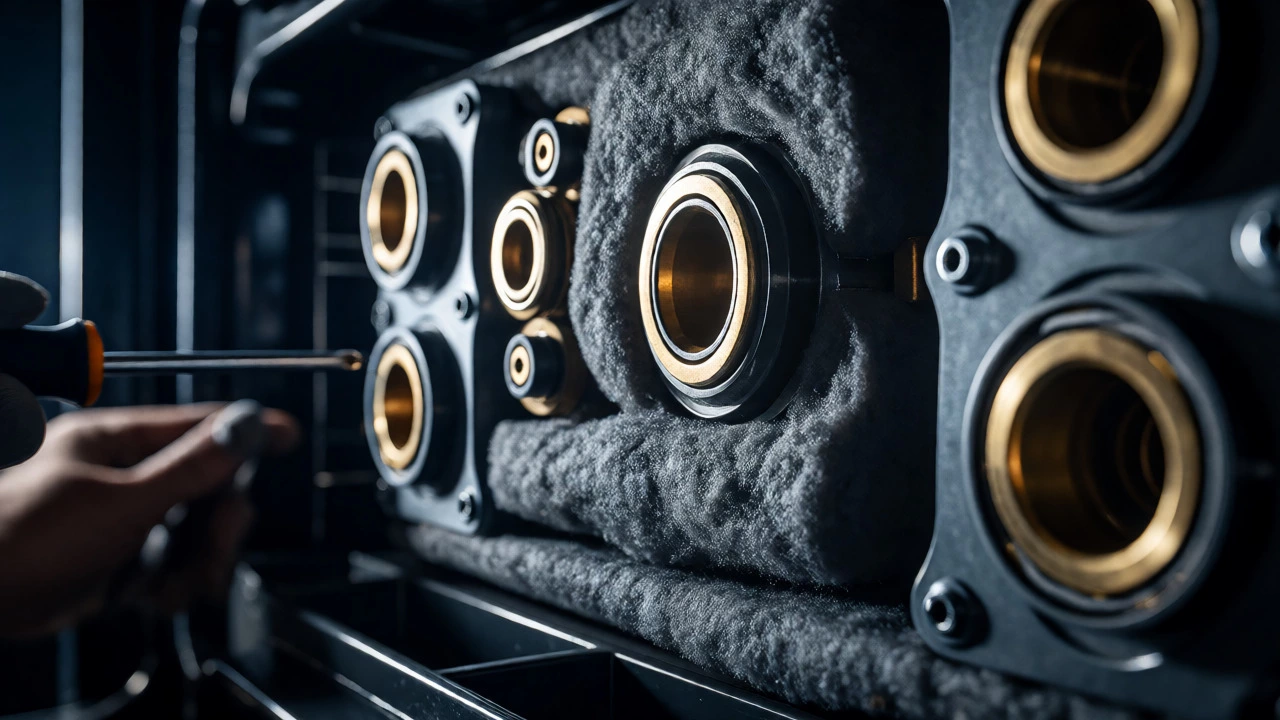
Miele stands alone here. Their German engineering philosophy prioritizes component quality over feature bloat. If you buy a Miele oven today, you’re paying for internal brass bearings instead of plastic ones, and thicker insulation. The trade-off? If a control board fails, you might wait weeks for a part from Germany. But statistically, you’ll likely go a decade without needing one.
Bosch offers the sweet spot for many Australians. They share some manufacturing DNA with Siemens, focusing on robust mechanical parts. Their convection fans are notably durable. While their electronics aren’t quite as bulletproof as Miele’s, they don’t suffer from the high failure rates seen in some Asian-manufactured smart appliances.
Why Do Ovens Break? Understanding the Failure Modes
To understand which brand is best, you have to know what usually breaks. Most oven failures fall into three categories: mechanical wear, electronic faults, and user error.
Mechanical issues involve physical parts wearing out. Think door hinges sagging, fan motors seizing, or heating elements burning out. These are predictable. High-quality brands use better materials here. For instance, a heating element made from nickel-chromium alloy lasts significantly longer than cheaper alternatives exposed to frequent temperature swings.
Electronic faults are the modern plague. As ovens get smarter, they get more fragile. Digital displays, touch sensors, and Wi-Fi modules are sensitive to heat and moisture. Kitchen environments are harsh-steam rises from boiling pots, grease coats surfaces, and temperatures fluctuate wildly. Cheap circuit boards corrode quickly. This is why Samsung and other tech-heavy brands see higher early-repair rates. Their cool features come with complex electronics that struggle in hot, greasy kitchens.
User error is sneaky. Cleaning products left inside can damage enamel. Slamming doors breaks hinges. Using non-compatible cookware blocks airflow. Even the most reliable electric oven will fail if treated poorly. But premium brands often include safety features, like auto-shutoffs and soft-close hinges, that mitigate this risk.
The Impact of Features on Reliability
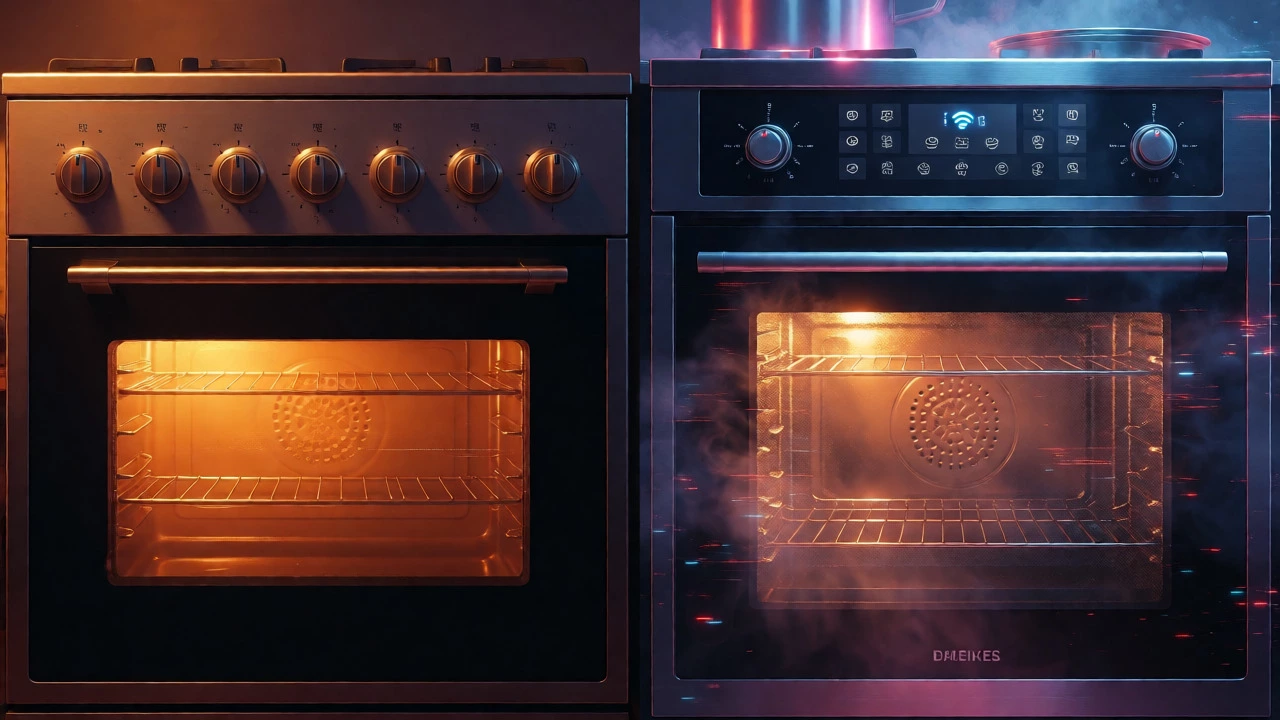
Here’s a counter-intuitive truth: fewer features often mean fewer repairs. A basic mechanical oven with dials has almost nothing to break electronically. No screens to flicker, no apps to crash. Compare that to a smart oven with voice control, camera monitoring, and app connectivity. Every added feature is another potential point of failure.
Consider the digital timer. In older ovens, this was a simple mechanical clock. Today, it’s a microprocessor-driven system. If the power surges, the whole module might need replacing. If you value simplicity, stick to brands that offer analog controls alongside digital options. Bosch and Electrolux often provide hybrid models that let you bypass complex interfaces if needed.
Self-cleaning functions are another double-edged sword. Pyrolytic cleaning burns off residue at extreme temperatures (around 500°C). This stresses the glass, seals, and electronics. Many technicians report that self-clean cycles accelerate wear on door gaskets. If you rarely use this feature, consider buying an oven without it. You’ll save money upfront and reduce long-term repair risks.
How to Choose Based on Your Cooking Style
Your usage pattern dictates which brand suits you best. Are you a daily baker who runs the oven multiple times a day? Or do you only use it for Sunday roasts?
For Heavy Users: If you cook daily, prioritize mechanical durability. Look for brands with replaceable heating elements and accessible fan motors. Miele and Gaggenau excel here. Their parts are designed for commercial-grade cycles. Yes, they cost more, but you avoid the frustration of repeated service calls.
For Occasional Cookers: If you use the oven once a week, a mid-range brand like Bosch or Electrolux makes sense. The lower initial cost offsets any potential repair bills. Just ensure you keep the unit clean to prevent grease buildup, which attracts pests and causes electrical shorts.
For Tech Enthusiasts: If you love remote preheating via smartphone, accept the higher repair risk. LG and Samsung lead in innovation but lag in reliability. Budget for an extended warranty that covers electronics specifically. Standard warranties often exclude wear-and-tear items, so read the fine print carefully.
Pro Tips to Extend Your Oven’s Life
No matter which brand you choose, maintenance plays a huge role in repair frequency. Here are actionable steps to keep your oven running smoothly.
- Clean Spills Immediately: Sugar and cheese harden into concrete-like substances that damage enamel and interfere with heat distribution. Wipe them up while warm, not cold.
- Check Door Seals Regularly: A torn gasket lets heat escape, forcing the element to work harder. Inspect seals every six months. Replace them if you feel drafts or see cracks.
- Avoid Harsh Chemicals: Strong oven cleaners can eat away at protective coatings. Use baking soda pastes or manufacturer-recommended cleaners. Rinse thoroughly to prevent chemical residues from smoking during the next use.
- Don’t Block Vents: Ensure air circulation around the oven. Pushing it flush against cabinets without proper clearance causes overheating, triggering safety switches and stressing components.
- Run Empty Cycles Occasionally: If you haven’t used the oven in a while, run it empty at a moderate temperature for 20 minutes. This burns off dust and stabilizes internal humidity levels.
These small habits prevent the majority of minor issues that escalate into major repairs. Remember, prevention is always cheaper than cure.
When to Repair vs. Replace
So, your oven broke. Should you fix it or buy a new one? Use this rule of thumb: if the repair cost exceeds 50% of the replacement value, replace it. But factor in the brand’s reputation.
For a Miele oven costing $4,000, a $500 repair is negligible. Keep fixing it. For a $800 budget oven, a $400 repair is poor value. Buy a new one. Also, consider energy efficiency. Newer models consume less electricity. If your old oven is over 15 years old, upgrading might save enough on power bills to offset the purchase price within a few years.
Check local recycling programs too. In Brisbane, some councils offer discounts for disposing of old white goods responsibly. Don’t just dump it; find out if you can get credit toward a new purchase.
Which oven brand has the longest lifespan?
Miele generally offers the longest lifespan, often exceeding 15-20 years with proper care. Their over-engineered components resist wear better than mass-market brands. Bosch follows closely behind, typically lasting 10-15 years.
Are smart ovens less reliable than traditional ones?
Yes, statistically. Smart ovens have more electronic components, such as Wi-Fi modules and touchscreens, which are prone to failure due to heat and moisture exposure. Traditional dial-based ovens have fewer points of failure.
Does using the self-clean function cause more repairs?
Frequent use of pyrolytic self-cleaning can degrade door seals and strain electronics due to extreme temperatures (up to 500°C). Limiting its use to once or twice a year helps extend the life of these components.
Is it worth buying an extended warranty for an oven?
For premium brands like Miele, probably not, as repairs are rare. For mid-range brands with complex electronics (like Samsung), yes. Extended warranties cover costly electronic board replacements that standard warranties often exclude.
What is the most common oven repair?
The most common repairs involve heating elements and door seals. Heating elements burn out over time, while door seals deteriorate from heat exposure, causing heat loss and inefficient cooking.