Electric Hob Installation Advisor
Installation Scenario
Result
Compliance Checklist:
Select your installation details to find out if you can DIY or need a pro.
Picture this: you’ve just bought a sleek new induction hob. It’s modern, it heats up instantly, and it looks fantastic in your kitchen. You unbox it, slide out the old unit, and reach for the wires. Then you pause. Is this something you can handle with a screwdriver and some YouTube videos, or do you really need to call a professional? The short answer is: it depends on where the power comes from.
In the UK, electrical work isn't just about avoiding a shock; it's about legal compliance. Since the introduction of Part P regulations under the Building Regulations, homeowners have strict rules to follow when touching live circuits. Getting this wrong doesn't just risk fire-it can void your home insurance and make selling your house a nightmare later on.
The Golden Rule: New Circuit vs. Existing Socket
The biggest factor determining whether you need an electrician is the power source. Are you plugging the new hob into an existing outlet, or are you hardwiring it directly to the mains?
If your new hob has a plug and there is already a suitable socket nearby, you might be able to swap it yourself. However, most built-in hobs require a dedicated circuit because they draw significant power-often between 7kW and 10kW. Plugging a high-power appliance into a standard ring main socket is dangerous and usually violates manufacturer warranties.
If you need to run a new cable from your consumer unit (fuse box) to the hob location, that is classified as "notifiable work" under Part P. This means you must hire a registered electrician. They will not only install the wire but also notify your local building control authority. Without this notification, the work is illegal, even if it works perfectly fine.
When Can You DIY? (And When Shouldn't You)
There is a narrow window where DIY is legally permissible, but it requires caution. You can replace a hob yourself if:
- You are connecting it to an existing, compliant fixed wiring setup (like a pre-installed junction box with correct terminals).
- You are using a plug-top connection and the existing socket is rated for the load (check the amperage!).
- You are confident in isolating the power at the consumer unit and verifying it is dead before working.
However, if any of these apply, stop and call a pro:
- The existing wiring looks old, discolored, or damaged.
- You need to drill through walls or floors to route new cables.
- The circuit breaker keeps tripping when you turn on the old hob.
- You don’t know how to use a voltage tester correctly.
Remember, electricity doesn't forgive mistakes. A loose connection can cause arcing, which leads to fires over time. It’s not always immediate, but it’s inevitable if the joint isn't tight.
Understanding the Wiring Requirements
Let’s talk specs. An average electric hob needs a dedicated radial circuit. For a standard 7kW-9kW hob, you typically need a 6mm² twin and earth cable protected by a 32A double-pole switch-disconnector. If your hob is larger or more powerful, you might need 10mm² cable and a 40A or 50A breaker.
Why does this matter? Because standard lighting circuits use 1.5mm² wire, and general socket circuits use 2.5mm². If you try to run a hob on those thinner wires, they will heat up, melt their insulation, and potentially ignite surrounding materials. The thick copper strands in 6mm² cable are designed to carry that heavy current safely without overheating.
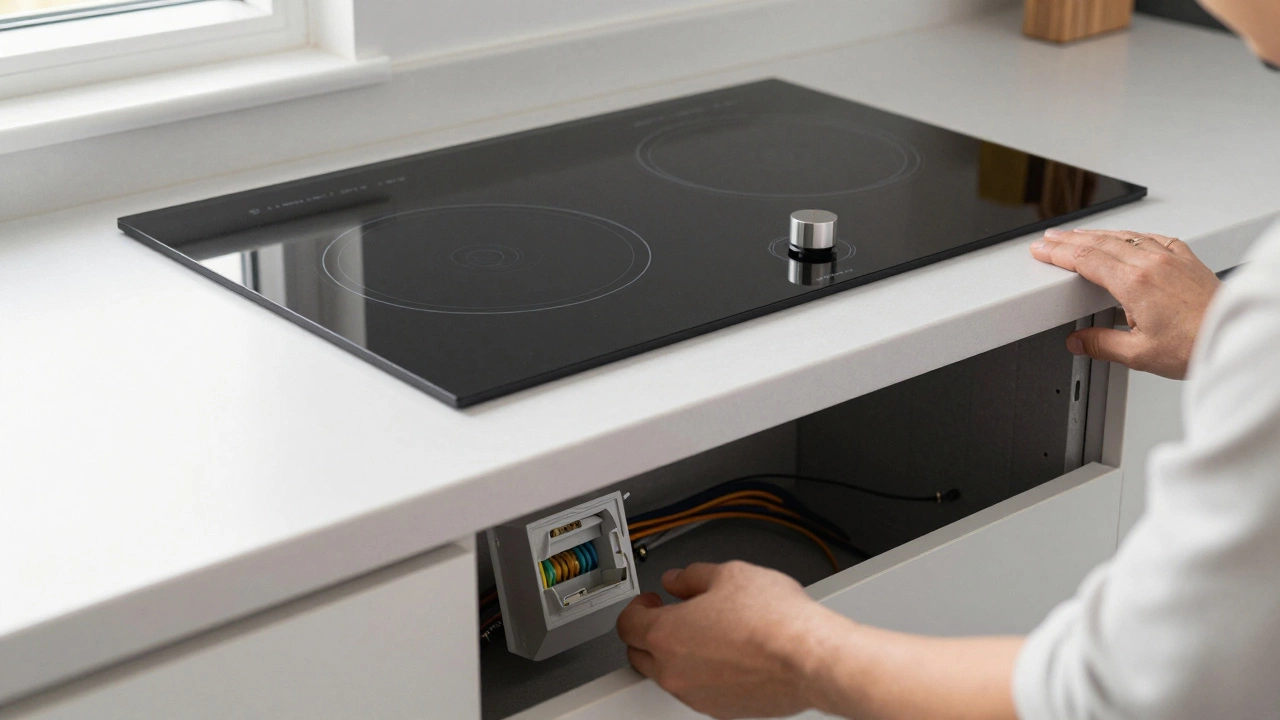
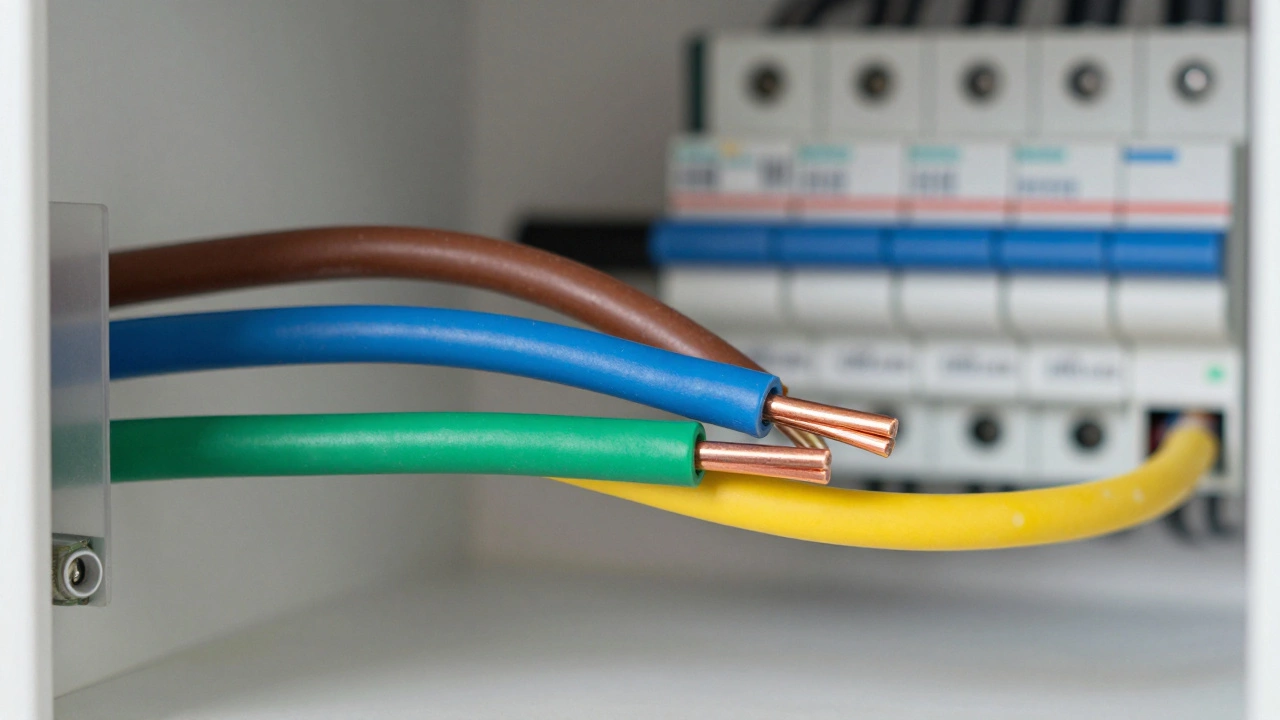
Also, check the type of connection. Most built-in hobs use a terminal block inside the cabinet or behind the unit. You’ll connect Live (brown), Neutral (blue), and Earth (green/yellow). Induction hobs often have a separate control wire (sometimes black or grey) for the timer or display. Misconnecting these can fry the electronics instantly.
| Factor | DIY Installation | Professional Electrician |
|---|---|---|
| Legal Compliance | Risky unless no new circuits involved | Fully compliant with Part P |
| Cost | Low (tools + parts only) | Higher (£150-£300+) |
| Safety Assurance | Dependent on your skill level | Guaranteed testing & certification |
| Warranty Validity | May void manufacturer warranty | Preserves full warranty coverage |
| Time Required | 2-4 hours (learning curve included) | 1-2 hours |
The Hidden Cost of Cutting Corners
You might think hiring an electrician costs too much. Let’s look at the numbers. A qualified sparky might charge £150 to £300 for a simple replacement if the wiring is already in place. If they need to run new cable, it could go up to £500 depending on accessibility.
But consider the alternative costs:
- Home Insurance Claims: If an electrical fire starts due to unnotified work, your insurer can deny the claim entirely. That’s tens of thousands of pounds in damage you pay for.
- Selling Your Home: Solicitors ask for Electrical Installation Certificates (EICs). If you can’t produce one for recent work, buyers may demand you fix it or lower the price.
- Appliance Damage: Incorrect voltage or phase connections can destroy expensive induction boards. Replacing a control board often costs more than the initial installation fee.
It’s not just about money; it’s about peace of mind. When a pro finishes, they give you an EIC. This document proves the installation is safe and meets British Standards (BS 7671). It’s your receipt of safety.
Step-by-Step: What Happens During Installation
Whether you DIY or hire help, understanding the process helps you prepare. Here’s what actually happens during a proper hob replacement:
- Isolation: Power is cut at the consumer unit. The breaker is locked off so no one accidentally turns it back on while someone is working.
- Verification: A voltage tester confirms the circuit is dead. This step is non-negotiable.
- Removal: The old hob is unscrewed and disconnected. Wires are labeled if they’re being reused.
- Cable Preparation: If new cable is needed, it’s routed through wall chases or floorboards. Ends are stripped carefully to expose clean copper without nicking the strands.
- Connection: Wires are inserted into the terminal blocks. Torque settings matter here-too loose causes heat, too tight breaks the wire.
- Testing: Before turning power on, continuity and insulation resistance tests are performed. This ensures there are no shorts or leaks.
- Commissioning: Power is restored. Each zone is tested for heating. Controls are checked for responsiveness.
If you’re doing this yourself, skip nothing. Testing isn’t optional. Use a multimeter to check for continuity between Live and Earth. If you get a reading, you have a short circuit. Do not turn the power on until you find and fix it.
Induction Hobs: Special Considerations
Induction technology has changed how we cook, but it brings unique electrical demands. Unlike gas or traditional electric hobs, induction units use complex electronics to generate magnetic fields. These components are sensitive to power surges and incorrect wiring.
Many induction hobs require a neutral wire even if the heating elements themselves don’t strictly need it for operation. The control board uses it for stable voltage reference. If your existing installation lacks a neutral (common in older homes with two-wire systems), you cannot simply ignore it. You must upgrade the wiring to include a neutral conductor. This is definitely job for an electrician.
Also, induction hobs can interfere with other devices if not properly shielded. Proper earthing is critical-not just for safety, but for performance. Poor grounding can cause erratic behavior, error codes, or reduced heating efficiency.
Signs Your Current Setup Needs Upgrading
Before buying a new hob, inspect your current electrical setup. Look for these red flags:
- Burning Smell: Even faint ozone or plastic smells near the fuse box or hob indicate overheating connections.
- Flickering Lights: If lights dim when the hob turns on, your circuit is overloaded or has poor earthing.
- Warm Outlets: Touch the socket or junction box (when cool enough to touch safely). If it’s warm, the contact resistance is too high.
- Old Fuse Box: If you still have ceramic fuses instead of circuit breakers, your entire system needs updating before adding high-load appliances.
Ignoring these signs is like driving a car with worn brakes. It might work today, but failure is guaranteed eventually.
How to Choose a Reliable Electrician
If you decide to hire help, don’t just pick the cheapest quote. Look for:
- NICEIC or NAPIT Registration: These bodies certify electricians who meet national standards. You can verify registration online.
- Insurance: Ask for proof of public liability insurance. At least £1 million coverage is standard.
- References: Check recent reviews or ask for past client contacts.
- Clear Quote: Avoid vague estimates. A good quote lists labor, materials, and testing fees separately.
A reputable electrician will never rush you. They’ll explain what they’re doing, show you test results, and answer questions. If someone dismisses your concerns or refuses to provide documentation, walk away.
Can I plug my electric hob into a regular socket?
Only if the manufacturer explicitly states it’s safe and the socket is rated for the hob’s power draw. Most built-in hobs exceed 3kW, which exceeds the capacity of standard 13A sockets. Using a regular socket risks overheating and fire. Always check the rating plate on the hob and compare it to the socket’s amperage.
What happens if I install a hob without notifying building control?
If the work involves a new circuit, it’s illegal under Part P. While unlikely to be caught immediately, it becomes a major issue when selling your home. Buyers’ solicitors will request certificates. You may face fines, forced remediation, or reduced property value. Insurance claims related to electrical faults may also be denied.
How much does it cost to hire an electrician for hob installation?
Prices vary by region and complexity. Simple replacements with existing wiring cost £150-£250. Installing new circuits runs £300-£600+. Factors include cable length, wall drilling needs, and access difficulty. Always get multiple quotes and ensure they include testing and certification.
Do induction hobs need special wiring compared to electric ones?
Yes, often. Induction hobs frequently require a neutral wire for their control electronics, whereas some basic electric hobs don’t. They also benefit from robust earthing to prevent interference. If your current setup lacks a neutral, upgrading is mandatory for safe operation.
Can I reuse the old cable from my previous hob?
Only if it’s in excellent condition and matches the new hob’s power requirements. Inspect for cracks, discoloration, or brittleness. Test insulation resistance. If the old cable was sized for a lower-power model, it may overheat with a newer, higher-wattage unit. When in doubt, replace it.
What tools do I need to replace an electric hob myself?
Essential tools include a voltage tester, screwdrivers (flathead and Phillips), wire strippers, pliers, and possibly a multimeter. Wear insulated gloves and eye protection. Never work on live wires. Ensure you have a secure ladder if accessing ceiling-mounted conduits.