Water Heater Flush vs. Replace Decision Tool
Check all symptoms that apply to your current water heater:
Key Factors:
- Removes insulating sediment layer
- Restores heating efficiency
- Reduces energy consumption by 5-10%
- Can extend life by 1-3 years if tank is intact
- New warranty coverage
- Energy efficiency improvement of 20-50%
- Eliminates risk of catastrophic failure
- 10-15 year lifespan expected
There is a specific kind of anxiety that comes with owning a home appliance that has been humming away quietly for a decade. You haven't thought about it much until the shower runs lukewarm or you hear a strange popping sound from the garage. Then the question hits: should you flush a 10 year old water heater? The short answer is yes, but the long answer involves some serious caveats about rust, structural integrity, and whether you are just kicking the can down the road.
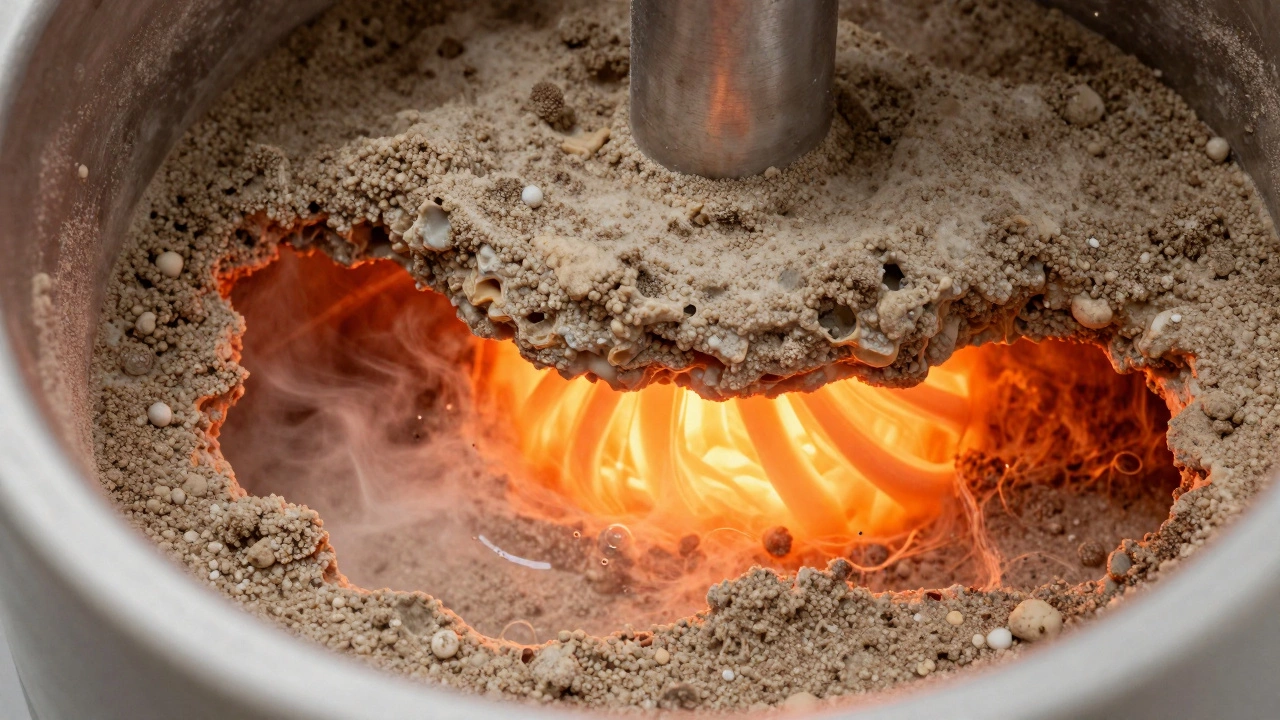
In Brisbane, where we deal with hard water in many suburbs, sediment buildup is not a matter of 'if' but 'how fast.' After ten years, your tank is likely sitting on a layer of calcium carbonate and sand that acts as an insulator between the heating element and the water. This forces the unit to work harder, spike your electricity bills, and potentially overheat the glass lining inside the tank.
The Science of Sediment: Why Flushing Matters
To understand why flushing is critical at this stage, you need to look at what happens inside the tank. When water enters your system, it brings dissolved minerals. As the water heats up, these minerals precipitate out and settle at the bottom. In areas with soft water, this might take twenty years. In regions with hard water, significant buildup can occur in five to seven years.
By year ten, that sediment layer can be inches thick. Here is the problem: sediment is a poor conductor of heat compared to water. When your heating element or gas burner fires up, the heat gets trapped under the sediment layer. The metal of the tank bottom overheats, causing the water directly above the sediment to boil violently. That boiling creates steam pockets that rise through the solid sediment, creating the loud banging or popping noises you might hear. This process, known as thermal shock, stresses the enamel lining and can lead to cracks.
Flushing the tank removes this insulating layer. It restores efficient heat transfer, reduces energy consumption, and stops the noisy expansion and contraction of the tank walls. However, efficiency is only half the battle when dealing with a decade-old unit.
The Risk Factor: Is Your Tank Ready to Be Disturbed?
This is where the advice gets tricky. For a brand-new water heater, flushing is routine maintenance. For a ten-year-old unit, it is a diagnostic procedure. If the internal glass lining (vitreous enamel) has already begun to crack due to years of pressure and thermal stress, disturbing the sediment could expose bare steel to oxygenated water. This accelerates corrosion dramatically.
You need to assess the condition of your unit before you grab a bucket and a hose. Look for these warning signs:
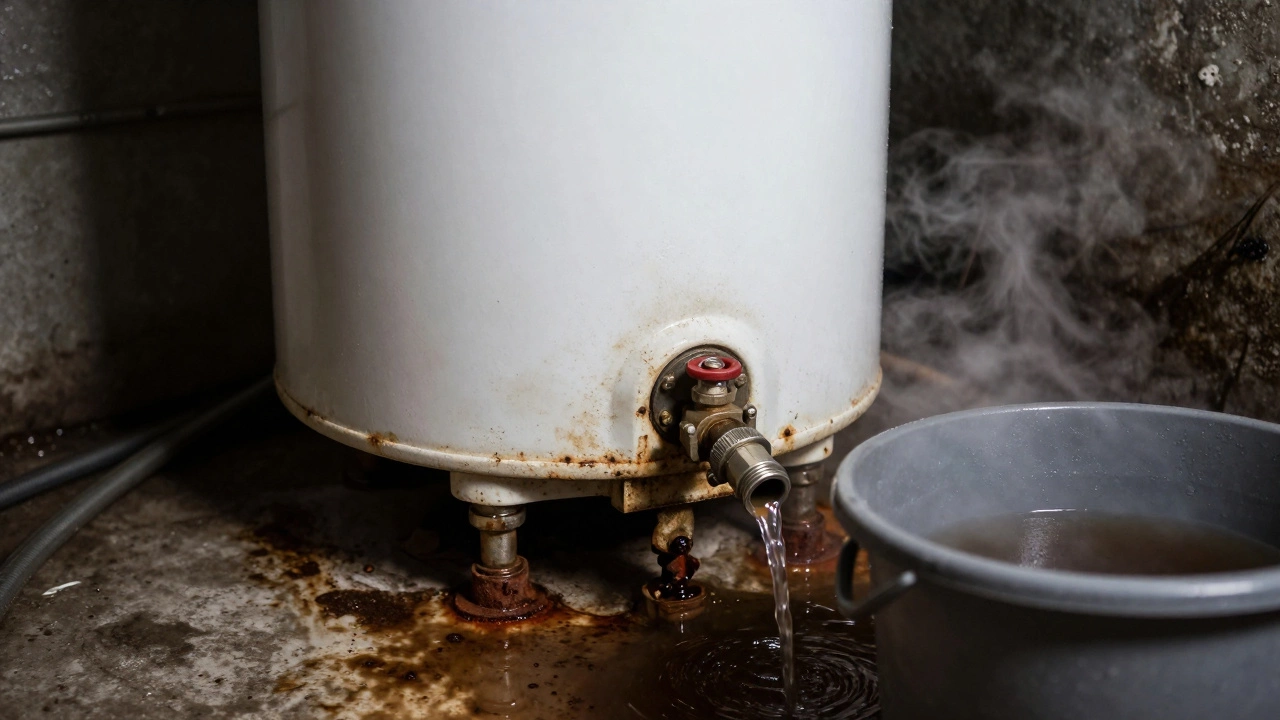
- Rusty water: If your hot water looks brown or orange even after running the tap for a minute, the tank is likely corroding internally.
- Leaks around the base: Small drips from the drain valve or near the bottom flange indicate the tank floor is failing.
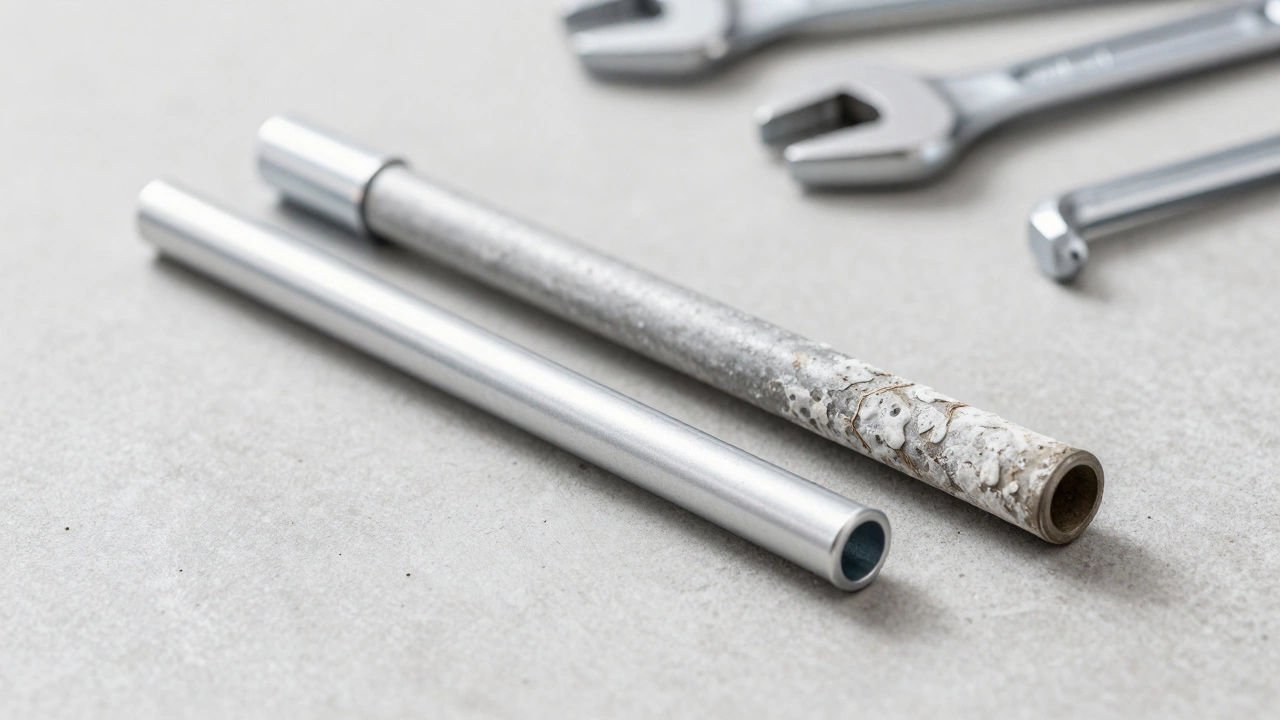
- Age of components: Check the date stamp on the serial number plate. If it is indeed ten years old, the anode rod-the sacrificial piece of metal that protects the tank from rust-has likely been consumed completely.
If you see any of these signs, flushing might do more harm than good. In fact, stirring up sediment in a compromised tank can clog the drain valve or release debris that blocks the dip tube, leading to immediate failure. In these cases, replacement is the safer and more economical choice.
How to Flush a 10-Year-Old Unit Safely
If your water heater shows no signs of leakage or severe rust, and you decide to proceed with flushing, you must be gentle. Aggressive high-pressure flushing can damage old valves. Follow this step-by-step approach to minimize risk.
- Turn off the power source. For electric units, switch off the circuit breaker. For gas units, turn the thermostat to 'Pilot' or 'Off'. Never flush while the heating elements are active; dry-firing them will destroy them instantly.
- Shut off the cold water supply. Locate the inlet valve at the top of the tank and turn it clockwise until tight.
- Relieve the pressure. Run a hot water tap somewhere in the house (like a bathroom sink) to prevent a vacuum from forming in the tank as you drain it.
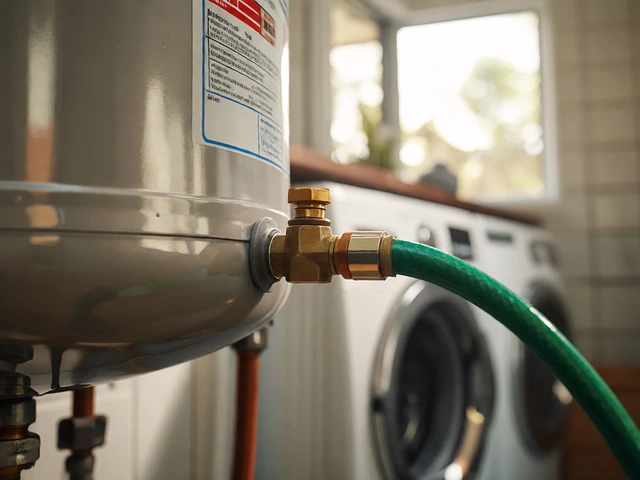
- Connect a garden hose. Attach one end to the drain valve at the bottom of the tank and run the other end to a floor drain, outside, or a large bucket. Ensure the hose is rated for hot water if you skipped the cooling step.
- Open the drain valve slowly. Do not force it. Old brass valves can seize or break. Use pliers with caution, protecting the valve stem with a cloth. Let the water flow out naturally.
- Observe the water clarity. If the water starts clear and turns muddy, that is expected sediment. If it remains dark brown or black, stop and consider replacement.
- Rinse briefly. Once the initial drain is complete, turn the cold water supply back on for 30 seconds to stir up remaining loose sediment, then shut it off again and let it drain. Repeat this two or three times until the water runs relatively clear.
- Close the valve and refill. Close the drain valve tightly. Keep the hot water tap open. Turn the cold water supply back on fully. Wait until water flows steadily from the open hot tap (no air sputtering). This ensures the tank is full before you restore power.
- Restore power. Only now can you turn the electricity or gas back on. Empty tanks burn out elements or crack burners within minutes.
The Anode Rod: The Hidden Hero
While you are dealing with your water heater, you should inspect the anode rod. Most homeowners ignore this component until the tank fails. The anode rod is made of magnesium or aluminum and is designed to corrode instead of the steel tank. It attracts corrosive elements in the water, sacrificing itself to protect the vessel.
In a ten-year-old unit, the anode rod is almost certainly depleted. If it is gone, the water is attacking the tank directly. Replacing the anode rod during your flush can extend the life of the water heater by several more years. It costs significantly less than a new unit and is a straightforward job if you have basic plumbing tools.
To check it, you need to remove the hex-head plug at the top of the tank. If the rod is covered in thick calcium deposits, you may need to chisel them off carefully. If the core wire is exposed or the rod is thinner than a finger, replace it immediately. Consider upgrading to an aluminum-zinc-titanium alloy rod, which lasts longer than standard magnesium rods in hard water conditions.
When to Stop Maintaining and Start Replacing
Maintenance has a limit. At ten years, your water heater is entering its senior years. The average lifespan of a traditional storage tank water heater is eight to twelve years. While flushing can improve efficiency and silence noise, it cannot reverse metal fatigue or repair micro-cracks in the enamel lining.
You should plan for replacement rather than continued maintenance if:
- The sediment layer is so thick that flushing does not clear the water after multiple attempts.
- You notice moisture pooling around the base that isn't from condensation.
- Your energy bills have risen disproportionately without changes in usage habits.
- The temperature fluctuates wildly, indicating a failing thermostat or element.
In Brisbane's climate, newer models offer higher energy efficiency ratings. A modern heat pump water heater or a continuous flow (tankless) system can cut energy use by 30% to 50% compared to an aging electric storage unit. The upfront cost is higher, but the return on investment through energy savings and reliability often pays off within three to five years.
Comparison: Maintenance vs. Replacement
| Factor | Flushing & Anode Replacement | Full Unit Replacement |
|---|---|---|
| Cost | Low ($50 - $150 for parts/service) | High ($800 - $2,500+ depending on type) |
| Lifespan Extension | 1 - 3 years (if tank is intact) | 10 - 15 years (new warranty) |
| Energy Efficiency | Improvement of 5% - 10% | Improvement of 20% - 50% |
| Risk of Catastrophic Failure | Medium (disturbing sediment in old tank) | None (fresh start) |
| Best For | Tanks with no leaks, minor noise, and healthy anodes | Tanks with rust, leaks, or frequent repairs |
Preventing Future Buildup
If you keep your current unit or install a new one, preventing sediment accumulation is key to longevity. In hard water areas like parts of Queensland, installing a whole-house water softener is the most effective solution. These systems exchange calcium and magnesium ions for sodium ions, preventing scale formation inside pipes and appliances.
If a softener is not feasible, consider a scale inhibitor filter installed specifically on the cold water line feeding the heater. These electronic or chemical filters disrupt the crystal structure of minerals, keeping them suspended in the water rather than letting them settle. Additionally, make it a habit to flush your water heater annually. Set a reminder on your phone. Ten minutes of maintenance every year prevents hours of hassle and water damage down the track.
Remember, a water heater is a pressure vessel containing scalding water. It is one of the most dangerous appliances in your home if it fails. Respect its age. If it is ten years old, treat it with caution. Flush it gently, inspect it thoroughly, and have a budget ready for its eventual retirement.
Is it safe to flush a water heater that is leaking slightly?
No. If your water heater is leaking, especially from the bottom or around the drain valve, the tank integrity is compromised. Flushing involves draining and refilling, which puts additional stress on seals and the tank body. A leak usually indicates internal corrosion or a cracked tank. Attempting to maintain a leaking unit risks sudden catastrophic failure and water damage. Contact a professional plumber to assess for replacement.
How often should I flush my water heater in hard water areas?
In areas with hard water, such as many parts of Brisbane, you should flush your water heater at least once a year. In extremely hard water conditions, flushing every six months may be necessary to prevent excessive sediment buildup. Regular flushing maintains heating efficiency and extends the lifespan of the unit by preventing overheating of the tank bottom.
Can flushing a water heater remove all the sediment?
Not necessarily. While flushing removes loose sediment, heavily calcified layers that have bonded to the tank bottom may not come out easily. In older units, aggressive flushing can sometimes dislodge large chunks of sediment that clog the drain valve. If the water does not run clear after three or four rinse cycles, the sediment is likely too compacted, signaling that the tank may be nearing the end of its useful life.
What happens if I don't flush my water heater for 10 years?
Neglecting to flush a water heater for a decade leads to significant sediment buildup, which insulates the heating elements from the water. This causes the tank to overheat, increasing energy bills and stressing the glass lining. It can result in noisy operation (popping/banging), reduced hot water capacity, and premature failure of the tank due to corrosion or cracking. In severe cases, the pressure relief valve may trip frequently, or the tank could rupture.
Should I replace the anode rod when I flush a 10-year-old water heater?
Yes, highly recommended. The anode rod is a sacrificial component designed to corrode instead of the steel tank. After ten years, it is likely completely depleted. Replacing it during your flush provides renewed protection against internal rust and can extend the life of the water heater by several years. It is a cost-effective maintenance step that prevents costly tank replacements.
Does flushing a water heater void the warranty?
Generally, no. Routine maintenance like flushing does not void the warranty, provided you follow the manufacturer's instructions and do not damage components during the process. However, since your unit is ten years old, the original warranty has likely expired. Always check your specific model's manual for guidelines, but for a decade-old unit, warranty concerns are minimal compared to reliability concerns.