Water Heater Symptom Checker
Select the symptoms you are experiencing to find the most likely cause and the recommended level of urgency.
Diagnosis Result
Select a symptom to begin diagnosis.
Always shut off power or gas before attempting manual inspections.
Quick Signs Your Water Heater Is Struggling
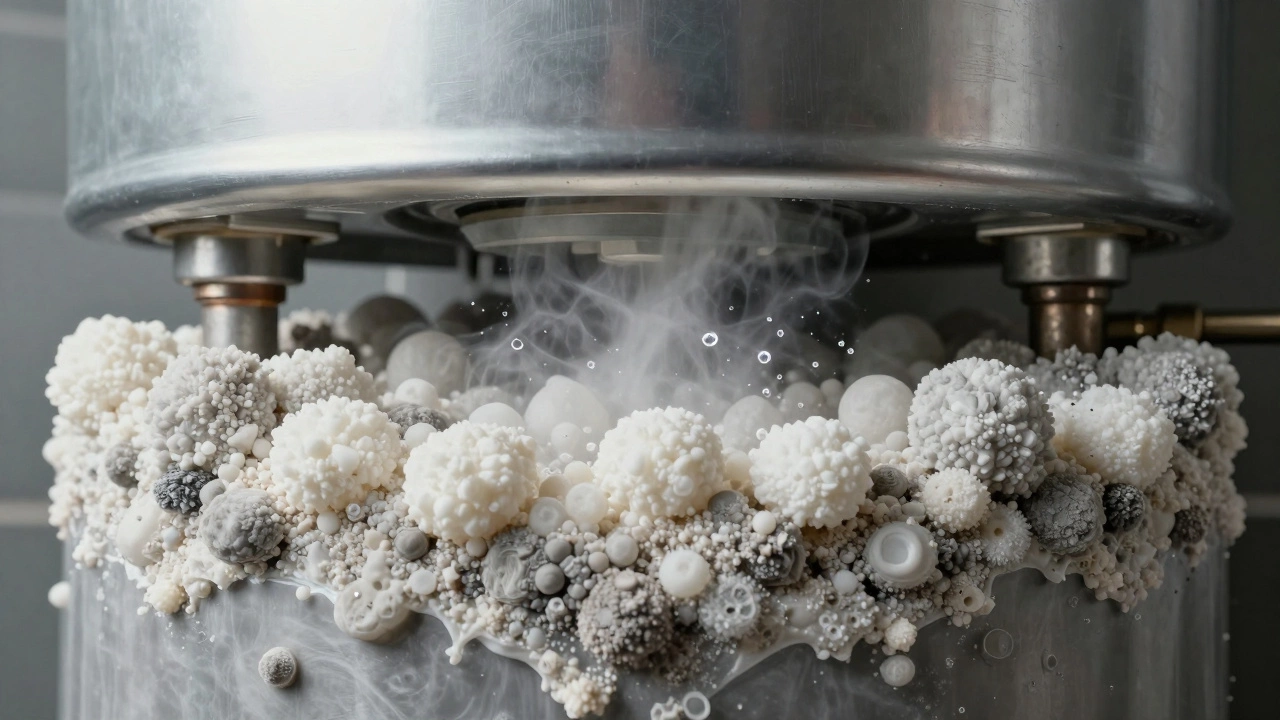
Before you start taking panels off or turning valves, look for the obvious red flags. If your water takes five minutes longer than usual to get hot, or if the temperature fluctuates wildly while you're scrubbing your arms, you have a problem. Listen for strange sounds. A popping or rumbling noise coming from the tank usually means sediment has built up at the bottom. This creates a layer of minerals that traps steam bubbles, which then "pop" and make that annoying sound. It also tells you that your heater is working harder than it should, which kills your energy efficiency. Check the water color. If your hot water looks rusty or cloudy but the cold water is crystal clear, your tank is likely corroding from the inside out. This is a major warning sign that the internal lining is failing and the unit might be nearing the end of its lifespan.Testing an Electric Water Heater
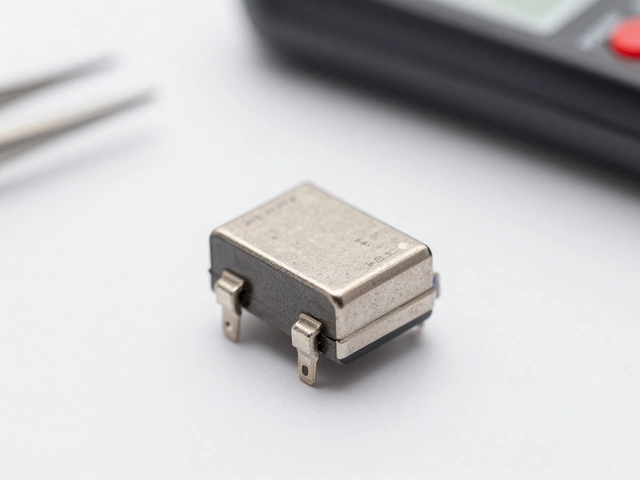
Electric units are generally simpler to diagnose because they rely on a few key components: the thermostat and the heating elements. First, head to your electrical panel. Check if the circuit breaker for the water heater has tripped. If the switch is in the middle or "off" position, flip it back. If it trips again immediately, stop. You have a short circuit and need a pro. If the power is on but the water is cold, the Heating Element is a resistive metal component that converts electricity into heat to warm the water in the tank. Most tanks have two elements-one at the top and one at the bottom. If the top one burns out, you'll get no hot water. If the bottom one goes, you'll get hot water for a few minutes, and then it will turn lukewarm. To test this properly, you'd need a multimeter to check for continuity. However, a simpler "human" test is the temperature check. Turn on the hot water tap closest to the heater. If it starts hot and drops off quickly, your lower element is likely dead. If it never gets hot, the upper element or the thermostat is the problem.Evaluating Gas Water Heaters
Gas units involve fire and ventilation, so you have to be more cautious. The first thing to check is the Pilot Light, which is a small, constantly burning gas flame that ignites the main burner when the thermostat calls for heat. If you see a black flame or no flame at all in the combustion chamber, your heater can't fire up. If the pilot is lit but the water isn't hot, the burner might not be engaging. Check the Thermostat, the device that monitors water temperature and triggers the burner. If it's set too low, you'll just get lukewarm water. Try nudging it up a few degrees and wait an hour to see if there's a difference. Another critical check for gas units is the vent pipe. Look for soot around the top of the heater or a smell of combustion gases. If the exhaust isn't leaving the house properly, the system may shut down for safety, or worse, leak carbon monoxide. This is a non-negotiable "call a professional" situation.| Symptom | Electric Unit Cause | Gas Unit Cause | Urgency |
|---|---|---|---|
| Cold Water | Tripped breaker / Burnt element | Out pilot light / Faulty thermocouple | High |
| Lukewarm Water | Lower element failure | Thermostat set too low | Medium |
| Rumbling Noises | Sediment buildup | Sediment buildup | Low (Maintenance) |
| Rusty Water | Tank corrosion | Tank corrosion | High (Replacement) |
Checking for Leaks and Tank Integrity
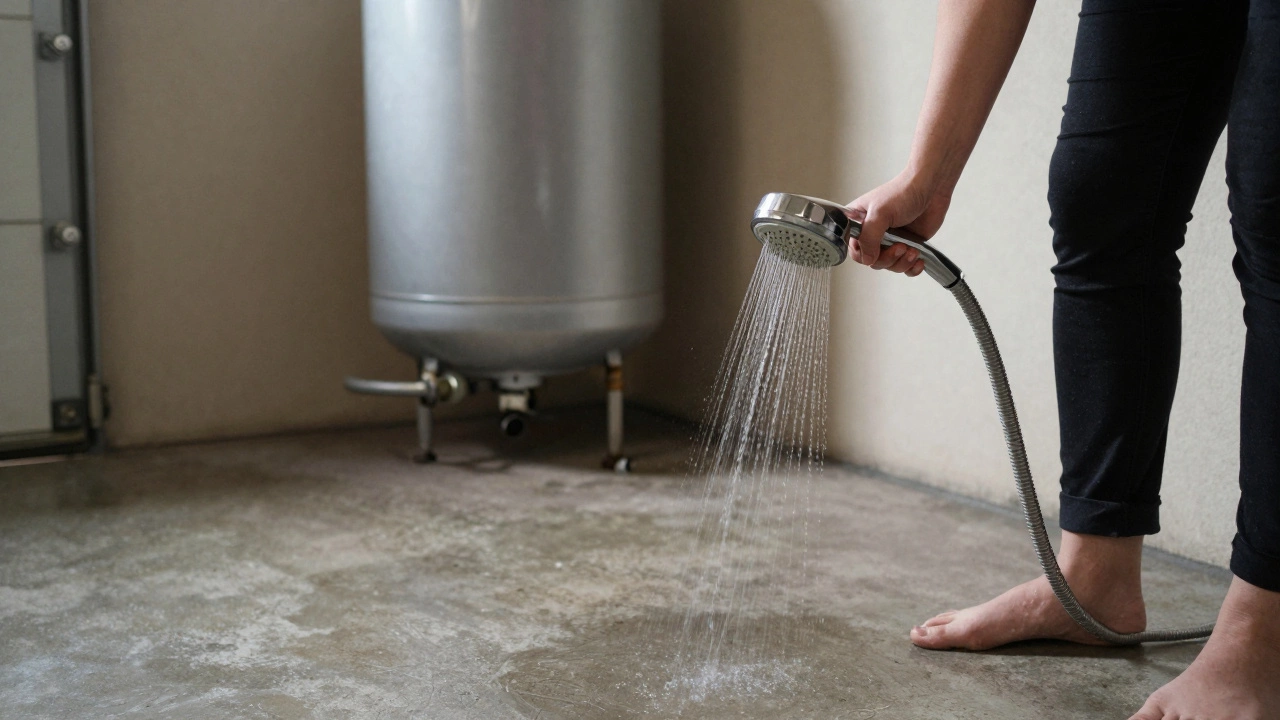
Water heaters don't just fail electrically; they fail structurally. A slow leak is often missed because the heater is tucked away in a garage or cupboard. Check the base of the tank for puddles. If you see water pooling around the bottom, it's usually one of two things: a leaking valve or a cracked tank. Check the Temperature and Pressure Relief Valve (T&P Valve), which is a safety device designed to release water if the temperature or pressure inside the tank exceeds safe limits. If this valve is dripping, it could be faulty, or your tank might be overheating. If you see a steady stream of water coming from the T&P valve, the system is under too much pressure, and you should shut the water off immediately. Don't ignore a "sweating" tank. While a little condensation is normal in humid weather, a tank that feels damp to the touch all over might have a hairline fracture in the inner lining. This is the beginning of the end for a tank-style heater.The Tankless Water Heater Difference
If you have a Tankless Water Heater, which is an on-demand system that heats water instantly using a heat exchanger instead of storing it in a tank, the checks are different. You won't find sediment rumbling or tank leaks, but you will find "scale" issues. If your flow rate has dropped or the water isn't as hot as it used to be, your heat exchanger is likely clogged with calcium and magnesium. This is common in areas with hard water. The only way to fix this is a chemical flush. Check the digital display on the front. Most tankless units have error codes. If you see a code like "E1" or "Error 11," don't guess. Look up the specific manual for your brand. These codes tell you exactly what's wrong, from ignition failure to flow sensor issues, taking the guesswork out of the process.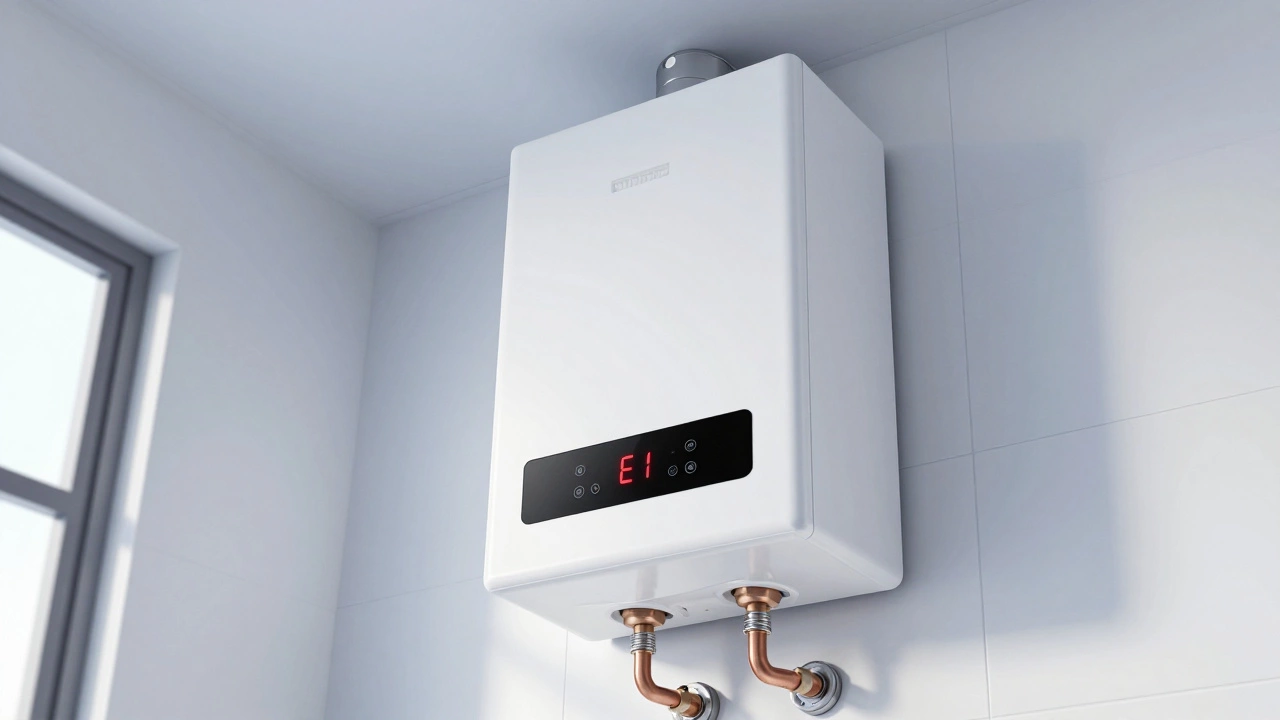
When to Stop Troubleshooting and Call a Pro
Knowing when to put the screwdriver down is just as important as knowing how to check the unit. You should stop immediately and call a licensed plumber if:- You smell gas (rotten eggs) anywhere near the unit.
- The tank is leaking from the bottom shell, not a valve.
- You see sparks or smell burning plastic from an electric unit.
- The T&P valve is screaming or releasing a massive amount of water.
How often should I check my water heater for problems?
You should do a visual inspection every six months. Look for leaks around the base and check the T&P valve for drips. Once a year, it is highly recommended to flush the tank to remove sediment, which prevents the rumbling noises and improves efficiency.
Why is my water heater making a popping sound?
That sound is almost always caused by sediment buildup. Minerals like calcium settle at the bottom of the tank, creating a crust. When the burner heats the water, bubbles of steam get trapped under this crust and "pop" through, creating a noise similar to popcorn. Flushing the tank usually solves this.
Can I just replace one heating element in an electric heater?
Yes, you can replace a single element. However, if one has burned out due to age or sediment, the other is likely not far behind. Many technicians recommend replacing both at once to avoid having to charge a second service call a few months later.
What does it mean if my hot water is rusty?
Rusty water is a sign that the inside of your steel tank is corroding. Most tanks have a sacrificial anode rod that attracts corrosion to protect the tank walls. If that rod is completely eaten away, the tank itself starts to rust. Once you see brown water, the tank's structural integrity is compromised, and you should start shopping for a replacement.
Is a tankless water heater easier to maintain?
In some ways, yes, because there's no large tank to rust or leak. However, they require more precise maintenance in the form of descaling. If you live in a hard water area, a tankless unit will fail quickly if you don't flush the heat exchanger with a cleaning solution every 12 to 24 months.