Extractor Fan Life Expectancy Estimator
Enter your fan details below to get an estimated life expectancy and a recommendation on whether to repair or replace.
You flip the switch, and that familiar hum kicks in. It’s been doing this job for years, pulling steam out of your bathroom or smoke from your kitchen. But how long can you expect it to keep working before it quits on you? If you’re wondering whether to fix an aging unit or replace it entirely, knowing the typical life expectancy of an extractor fan is your first step toward making a smart financial decision.
Here is the short answer: most standard domestic extractor fans last between 5 and 10 years. However, this range isn't set in stone. High-quality inline ducted fans often outlast cheap ceiling-mounted units by several years. Your specific environment, usage habits, and maintenance routine play massive roles in determining whether yours hits the five-year mark or pushes past a decade.
The Typical Lifespan Breakdown
Not all extractor fans are created equal. The type you have installed dictates its expected longevity more than almost anything else. Let's break down the common types found in Australian homes and what you can realistically expect from them.
| Fan Type | Average Lifespan | Key Factors |
|---|---|---|
| Ceiling Mounted (Standard) | 5-7 Years | Sensitive to dust buildup; motors burn out faster if blocked. |
| Inline Ducted Fans | 8-12+ Years | Motor is remote from heat/moisture; easier to clean filters separately. |
| Kitchen Rangehood Inserts | 7-10 Years | Grease accumulation is the primary killer; requires frequent cleaning. |
| Budget Wall-Mounted Units | 3-5 Years | Lower quality bearings and plastics degrade quickly in humid conditions. |
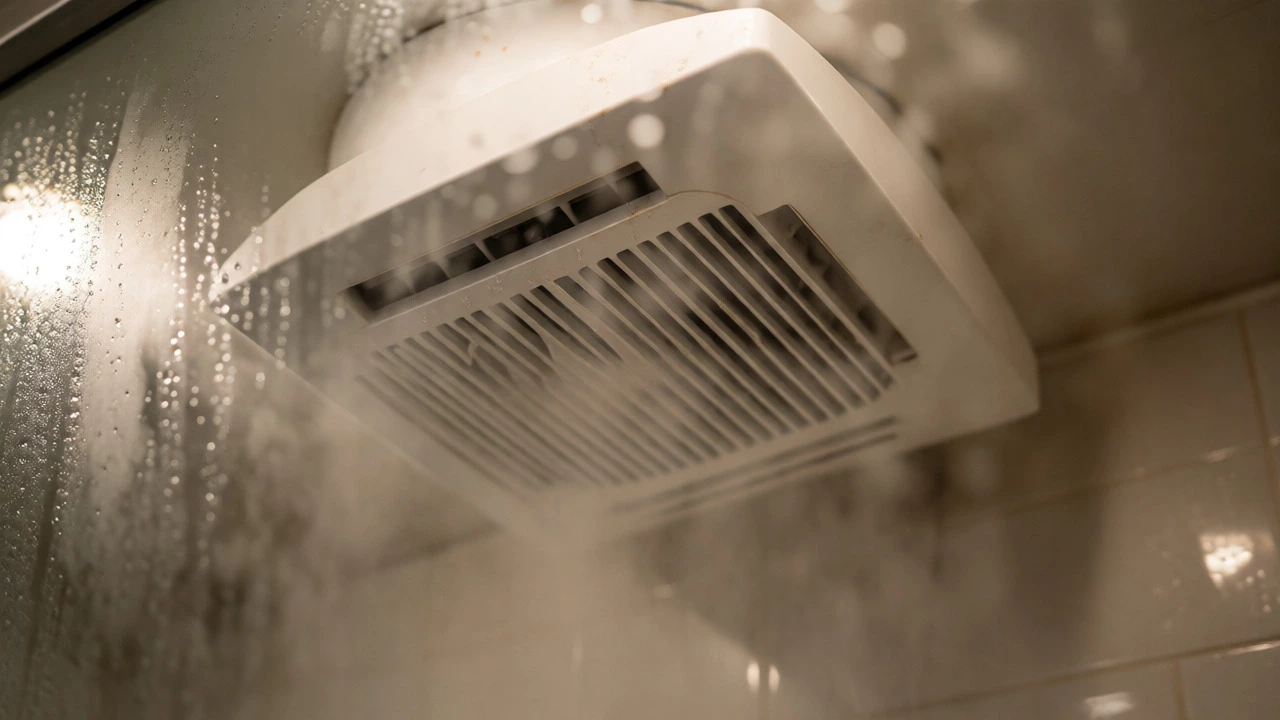
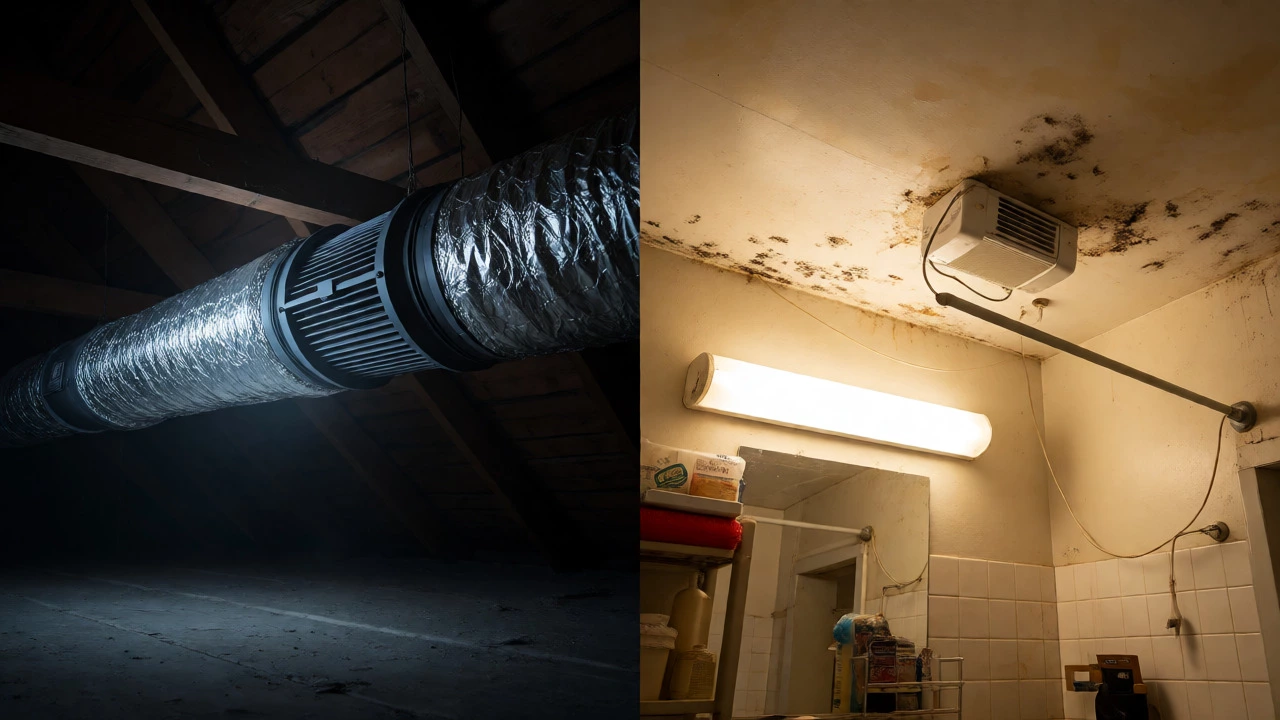
Why the big difference? It comes down to where the motor sits and what it has to deal with. A ceiling-mounted fan pulls hot, moist air directly over its own motor. Over time, that moisture corrodes the internal components. In contrast, an inline ducted fan places the motor in the roof cavity or a separate room, away from the immediate blast of steam. This separation significantly extends the motor's life.
Signs Your Fan Is Nearing the End
How do you know if your fan is on borrowed time? Don't wait for it to stop completely. Watch for these warning signs:
- Ineffective Extraction: Steam lingers on mirrors after a shower, or cooking smells hang around longer than usual. This often means the blades are clogged or the motor is losing power.
- Unusual Noises: Grinding, rattling, or squealing sounds usually indicate bearing failure. Once bearings go, the motor typically follows within months.
- Overheating: If the housing feels excessively hot to the touch shortly after turning it on, the motor is struggling against resistance.
- Visible Damage: Cracked plastic housings or rust spots on metal parts suggest structural integrity is failing.
If you notice any of these issues, especially combined with an age of 5+ years, replacement is often more cost-effective than repair. Motor replacements rarely exceed $150 in parts alone, plus labor, which can approach the cost of a new mid-range unit.
What Kills Extractor Fans Early?
Three main culprits shorten the life of these appliances: grease, dust, and misuse.
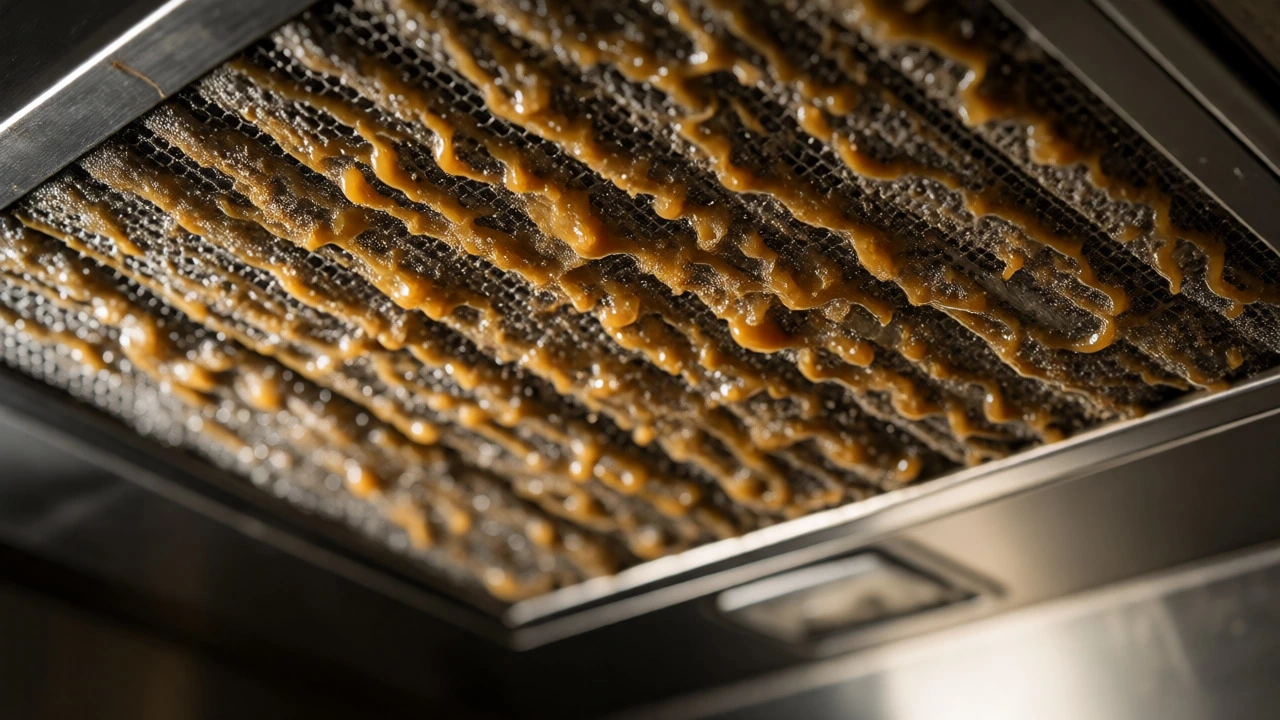
Grease Buildup: In kitchens, airborne oil particles coat the fan blades and housing. This sticky residue attracts dust, creating a heavy sludge that weighs down the motor. If you don't clean the filters monthly, the fan works harder to spin those heavy blades, burning out the motor prematurely.
Dust Accumulation: Bathroom fans face a different enemy-lint and skin cells. These fine particles settle on the blades and inside the motor housing. Unlike grease, dust doesn't always look obvious until airflow drops noticeably. In dry climates like Brisbane, dust storms can accelerate this process significantly.
Misuse and Run Time: Running a fan continuously for hours when no one is home wastes energy and wears out the motor unnecessarily. Conversely, turning it off immediately after a shower leaves residual moisture trapped in the room, leading to mold growth that can eventually affect the fan's intake area.
How to Extend the Life of Your Fan
You can easily add 3-5 years to your fan's life with simple maintenance. Here is a practical checklist:
- Clean Filters Monthly: Remove the grille and wash the filter in hot soapy water. For kitchen fans, degreasing agents work best. Dry thoroughly before reinstalling.
- Vacuum the Housing: Use a vacuum cleaner with a brush attachment to remove dust from the visible blades and surrounding casing. Do this every 3-6 months.
- Check Ducting: Ensure flexible ducting isn't crushed or disconnected. Restricted airflow forces the motor to work harder. Replace cracked or brittle ducting promptly.
- Use Timers: Install a timer switch to run the fan for 15-20 minutes after use. This ensures moisture removal without unnecessary runtime.
- Lubricate Bearings (If Accessible): Some older models allow access to motor bearings. A drop of light machine oil can reduce friction, though many modern sealed units don't offer this option.
Regular cleaning isn't just about hygiene; it's mechanical preservation. A clean fan spins freely, drawing less current and generating less heat.
Repair vs. Replace: Making the Right Call
When your fan starts acting up, should you call a technician or head to the hardware store? Consider the age and type.
If your fan is under 5 years old and still under warranty, definitely pursue repair or replacement through the manufacturer. Most reputable brands offer 2-5 year warranties on motors.
For fans aged 5-8 years, weigh the repair cost against a new unit. If it's a high-end inline system with expensive ducting already installed, repairing the motor might save you the hassle of re-routing ducts. However, for standard ceiling units, replacing them is often cheaper and gives you updated energy efficiency ratings.
Once a fan exceeds 10 years, replacement is almost always the better choice. Technology has improved; newer models are quieter, more energy-efficient, and often include humidity sensors that automate operation.
Environmental Impact on Lifespan
Your location matters. In coastal areas near Brisbane, salt air can corrode metal components faster. If you live close to the ocean, inspect your fan annually for rust, particularly on screws and brackets. Using stainless steel or corrosion-resistant materials can mitigate this issue.
High-humidity environments also stress electrical components. If your bathroom lacks proper ventilation besides the fan, condensation forms on the fan housing itself, seeping into seams. Ensuring good general airflow helps protect the appliance.
How long do bathroom extractor fans last compared to kitchen ones?
Bathroom fans typically last slightly longer (7-10 years) than kitchen rangehood inserts (5-8 years). Kitchen fans deal with greasy vapors that gum up mechanisms, whereas bathroom fans primarily handle moisture and dust, which are easier to manage with regular cleaning.
Can I extend the life of my extractor fan by running it less?
Yes, but only if you aren't leaving moisture trapped. Running the fan for 15-20 minutes after use is ideal. Running it constantly wears out the motor, while turning it off too soon allows mold to grow, which can damage the fan's exterior and surrounding structure.
Is it worth repairing an old extractor fan?
Generally, no. If the fan is over 7 years old, the cost of labor and parts for a motor replacement often approaches the price of a new, more efficient model. Replacement also offers improved noise levels and energy savings.
What causes an extractor fan to make a loud humming noise?
A loud hum usually indicates worn-out bearings or a loose mounting bracket. Dust buildup on unbalanced blades can also cause vibration and noise. Cleaning the blades and tightening screws may help, but persistent humming often signals impending motor failure.
Do inline fans really last longer than ceiling fans?
Yes, because their motors are located away from the direct source of heat and moisture. This reduces thermal stress and corrosion on critical components, allowing them to operate reliably for 10-15 years with minimal maintenance.