Hot Water Heater Element Diagnostic Tool
Use this tool to determine if your electric water heater's heating element is failing based on observable symptoms or multimeter test results.
Symptom Analysis
Check the boxes that match your current situation:
Multimeter Resistance Test
If you have tested the element with a multimeter, enter the reading below to get a diagnosis.
You turn on the shower, expecting a blast of steamy comfort, but instead, you get a lukewarm trickle that makes you shiver. It’s frustrating, sure, but it’s also a pretty clear signal that something is wrong under the hood of your electric water heater. Specifically, it often points to a failed heating element, which is essentially the engine that boils your water. Before you call in a professional or start tearing things apart, let’s figure out if this is actually an element issue or just a thermostat playing tricks on you.
The Obvious Signs: Temperature and Recovery Time
The most direct way to know if your heating element is dead is by how well (or poorly) it heats water. Most modern electric water heaters have two elements: one at the top and one at the bottom. The top element handles initial heating when the tank is full, while the bottom element kicks in as hot water is used and cold water enters from the bottom. If you notice that you only get hot water for a very short time before it goes cold, that’s a classic symptom of a burnt-out lower element. The upper element might still be working, keeping the top few gallons warm, but once that layer is gone, there’s nothing left to heat the incoming cold water.
Another major red flag is a significant drop in recovery time. If your tank used to refill with hot water in an hour and now it takes three, the heating capacity has dropped. This usually means one element has quit, so the system is running at half power. You aren’t getting no heat; you’re just getting slow heat. It’s like trying to fill a swimming pool with a garden hose instead of a fire hydrant.
Listen and Look: Auditory and Visual Clues
Sometimes, your ears will tell you what your eyes can’t see yet. A healthy heating element hums quietly, if at all. A dying or dead element, however, can make strange noises. If you hear popping, cracking, or rumbling sounds coming from the tank, it’s likely due to sediment buildup insulating the element. When the element gets too hot because it’s buried in mineral deposits, it can cause the water trapped underneath to boil violently, creating those loud pops. While this doesn’t always mean the element is broken, it significantly shortens its lifespan and often precedes failure.
Visual inspection is tricky since the elements are inside a sealed tank, but you can check for leaks around the element flange. If you see moisture or corrosion around where the wires enter the tank, water might be leaking onto the electrical connections. This can cause arcing or shorting, effectively killing the element. Also, check your circuit breaker. If the breaker trips repeatedly when the heater tries to kick on, you might have a ground fault caused by a cracked element sheath allowing electricity to leak into the water.
The Multimeter Test: Confirming the Diagnosis
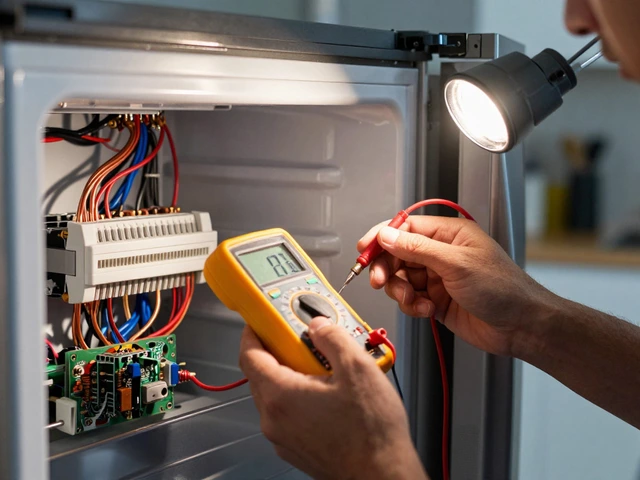
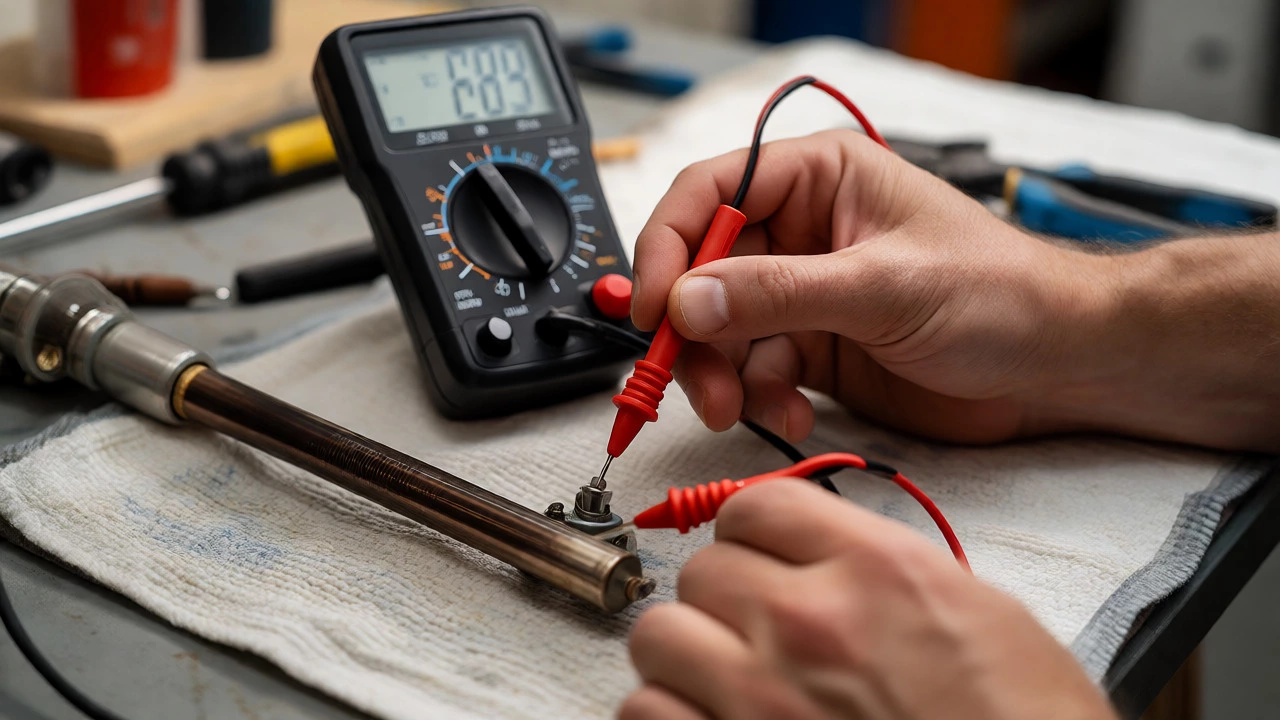
Guesswork costs money; testing saves it. To be 100% sure, you need a multimeter. Don’t worry, it’s not rocket science. First, cut the power to the water heater at the breaker panel. Safety first-always verify the power is off with your tester before touching any wires. Remove the access panels and insulation covering the thermostats and elements.
Set your multimeter to measure resistance (Ohms). Touch the probes to the terminals of the heating element. A good element typically reads between 5 and 25 Ohms, depending on its wattage. If you get a reading of "OL" (Open Loop) or infinity, the internal wire is broken, and the element is toast. If you get zero Ohms, it’s shorted. Neither scenario is fixable; replacement is the only option.
| Multimeter Reading | Meaning | Action Required |
|---|---|---|
| 5 - 25 Ohms | Normal Operating Range | Element is likely fine; check thermostat or wiring. |
| Infinity (OL) | Open Circuit | Replace the heating element immediately. |
| Zero (0) Ohms | Short Circuit | Replace the heating element and inspect wiring. |
| Low Reading (<1 Ohm) | Ground Fault | Check for element-to-tank short; replace element. |
Why Elements Fail: Sediment and Dry-Firing
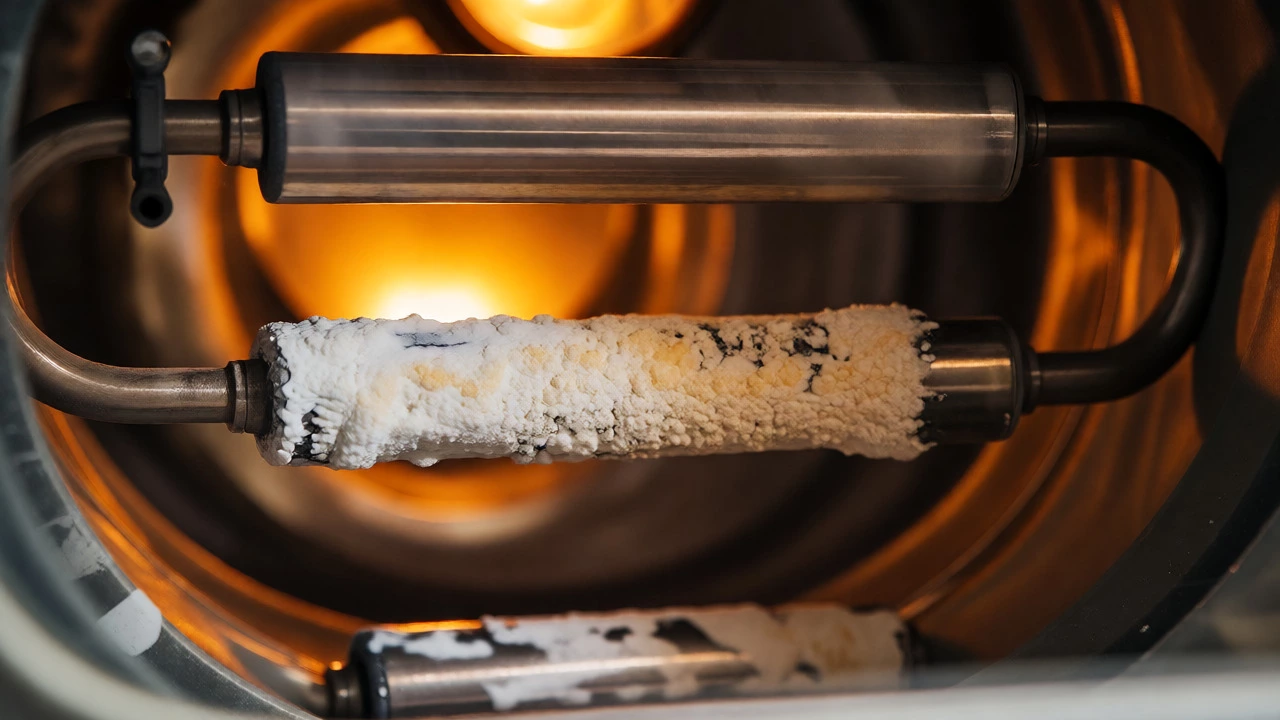
Understanding why they break helps you prevent future headaches. In places like Brisbane, hard water isn’t as severe as in some other regions, but mineral buildup still happens. Calcium and magnesium settle at the bottom of the tank, burying the lower element. This sediment acts as an insulator, trapping heat within the element itself rather than transferring it to the water. The element overheats, cracks, and fails.
Another common killer is dry-firing. This happens when the tank is drained for maintenance but the power isn’t turned off. The element turns on without water to absorb the heat, glowing bright orange and burning out in seconds. Always treat your water heater like a live animal: drain it gently, and never assume the power is off just because the pilot light is out (in gas units) or the breaker looks fine (visual checks lie).
When to Call a Pro vs. DIY
If you’re comfortable working with electricity and plumbing basics, replacing a heating element is a manageable weekend project. Parts cost anywhere from $20 to $60 AUD depending on the brand and wattage. However, if your tank is over ten years old, consider whether fixing a single component is worth the effort. Tanks corrode from the inside out. If the element failed due to severe corrosion, the tank walls might be next. Replacing the entire unit might save you from doing this same job again in six months.
Also, if you suspect a ground fault or if the breaker keeps tripping despite a new element, you might have deeper electrical issues. Wiring degradation or faulty thermostats can mimic element failure. If the multimeter says the element is good but you still have no hot water, look at the high-limit switch or the thermostat itself.
Can I replace just one heating element?
Yes, you can replace just the faulty element. However, many professionals recommend replacing both elements at the same time if they are the same age. Since they operate under similar conditions, if one failed due to age or sediment, the other is likely close to failing too. Doing both saves you from paying for labor twice or repeating the messy job soon.
How long do water heater elements last?
On average, heating elements last between 8 and 10 years. This lifespan varies heavily based on water quality. Hard water with high mineral content can reduce this to 5 years or less. Regular flushing of the tank to remove sediment can extend the life of your elements significantly.
What does a bad heating element sound like?
A bad element often causes popping, banging, or rumbling noises. These sounds occur when sediment traps water against the hot element, causing it to boil rapidly. While noise alone doesn't confirm total failure, it indicates the element is struggling and likely needs cleaning or replacement soon.
Is it dangerous to drive with a bad water heater element?
It's generally safe to use the hot water, but there are risks. A shorted element can trip your circuit breaker repeatedly. More seriously, if the element is leaking electricity into the water (ground fault), you could feel a tingling sensation when touching metal fixtures. Turn off the breaker if you experience shocks or persistent tripping.
Do I need to drain the tank to change the element?
For the lower element, yes, you must drain the tank below the level of the element to avoid flooding your home when you unscrew it. For the upper element, you might get away with a partial drain, but it's safer to drain the whole tank. Remember to relieve pressure by opening a hot water tap in the house while draining.