Electric Water Heater: Repair Tips, Lifespan & Common Issues
When dealing with Electric Water Heater, a device that uses electricity to heat water for household use. Also known as electric hot water system, it supplies instant hot water for showers, kitchens and laundry. Understanding how it works saves you time and money when something goes wrong. Below we’ll break down the basics of this appliance and why proper care matters for every Glastonbury homeowner.
One of the most overlooked parts is the Anode Rod, a sacrificial metal bar that prevents corrosion inside the tank. Alongside the Heating Element, the component that actually converts electricity into heat, these parts form the core of the system. The Thermostat, an electronic sensor that controls water temperature decides when the heating element turns on or off. Over time, Sediment Buildup, mineral deposits that settle at the bottom of the tank can insulate the element, forcing it to work harder and shorten the unit’s life. Knowing how these pieces interact helps you spot problems before they turn into costly repairs.
Think of an electric water heater as a small ecosystem: electric water heater encompasses heating elements, anode rods and thermostats, all of which require regular maintenance. A common failure pattern is corrosion of the anode rod, which leads to tank rusting and eventual leaks. Another frequent issue is a faulty thermostat that causes the heater to overheat or never reach the set temperature. When you notice lukewarm showers, strange noises, or water that takes forever to heat, those are clear signs the system needs attention. A quick visual check for rust, a test of the heating element with a multimeter, or flushing out sediment can often restore performance without a full replacement.
Deciding whether to repair or replace depends on age, repair cost and energy efficiency. On average, an electric water heater lasts 8‑12 years; units older than that often see rising electricity bills due to inefficient components. If the heating element fails but the tank is sound, replacement is cheap and extends life by several years. However, if the tank shows signs of corrosion or the anode rod is severely depleted, investing in a new, energy‑rated model usually pays off. Below you’ll find practical guides, safety tips and cost breakdowns that cover everything from diagnosing a bad thermostat to choosing the longest‑lasting brand. Keep reading to get the insights you need before you pick up the phone or call a Glastonbury repair pro.
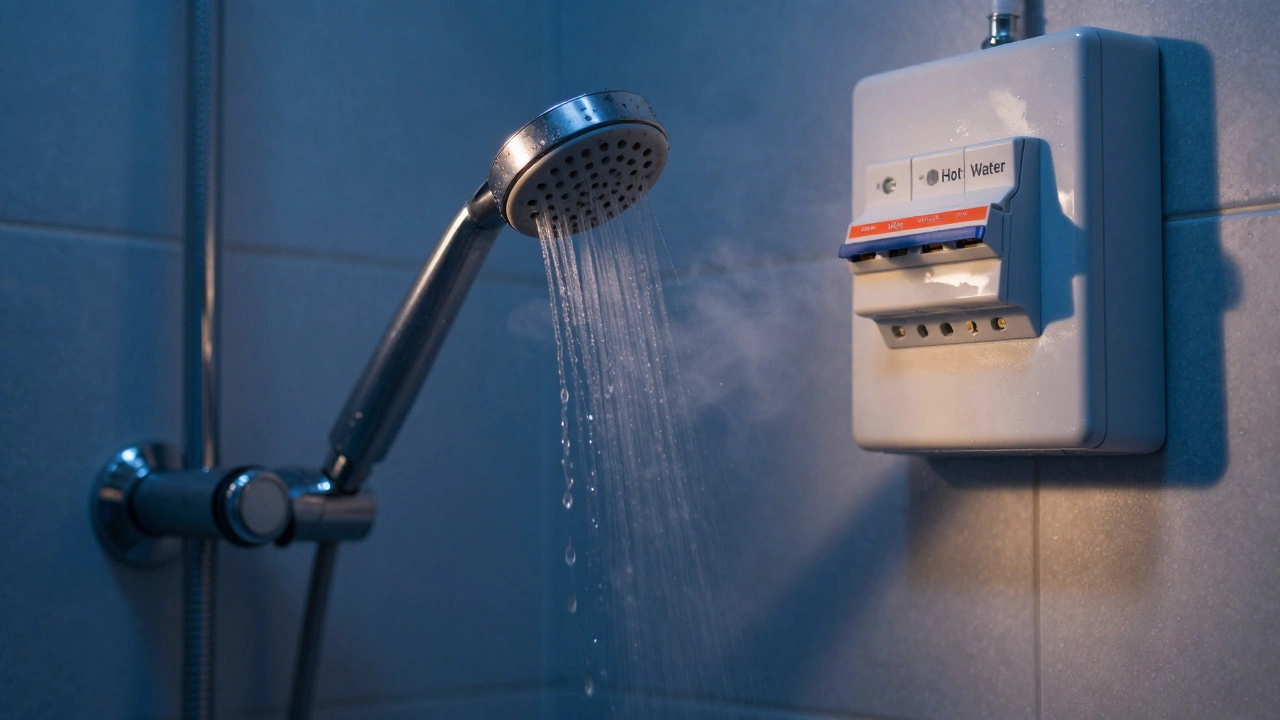
What to Check When a Hot Water Heater Stops Working
When your hot water heater stops working, check the power, thermostat, heating elements, and pressure valve. Sediment buildup, old age, and gas supply issues are common causes. Simple fixes can restore heat-but if your unit is over 10 years old, replacement is smarter.
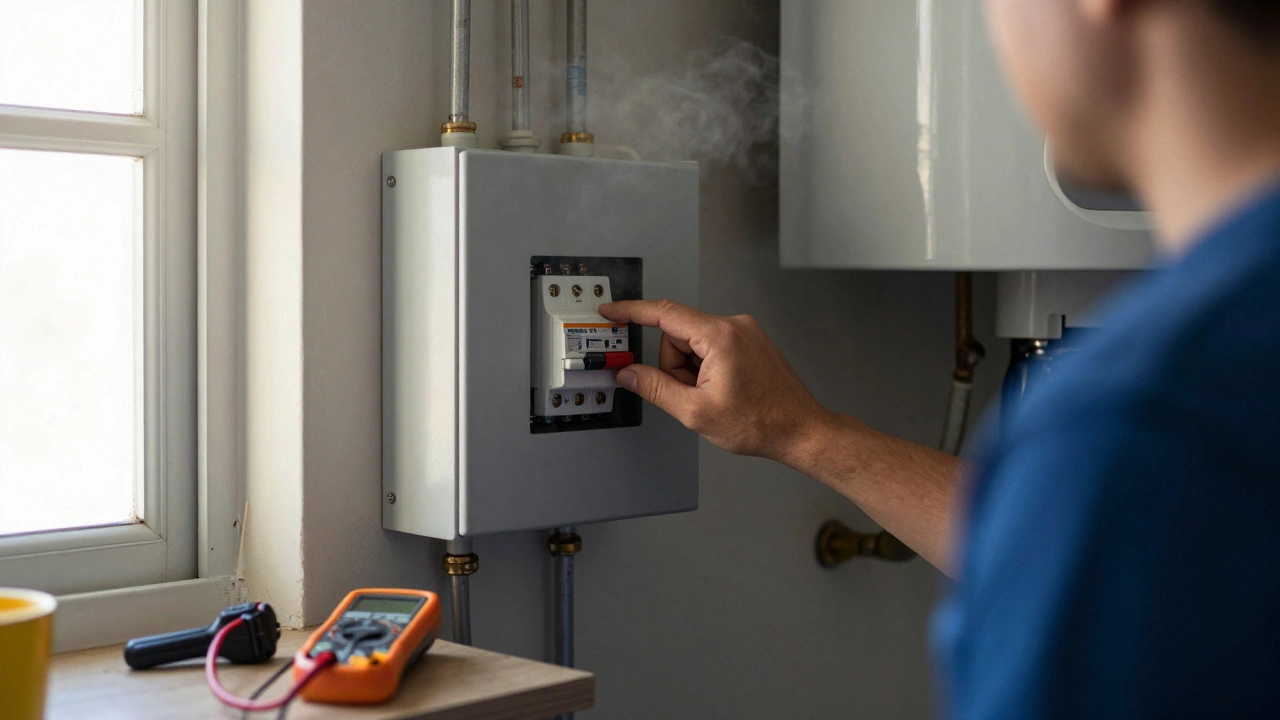
Why Did My Hot Water Stop Working All of a Sudden? Common Causes and Quick Fixes
Sudden loss of hot water? It's rarely a total heater failure. Learn the top 5 causes - from tripped breakers to sediment buildup - and how to fix them yourself in Brisbane's hard water conditions.

Why Has My Hot Water Gone Off? Common Causes and Quick Fixes
Your hot water suddenly stopped? This guide walks you through the most common causes - from tripped breakers to failed elements - and how to fix them yourself before calling a pro.
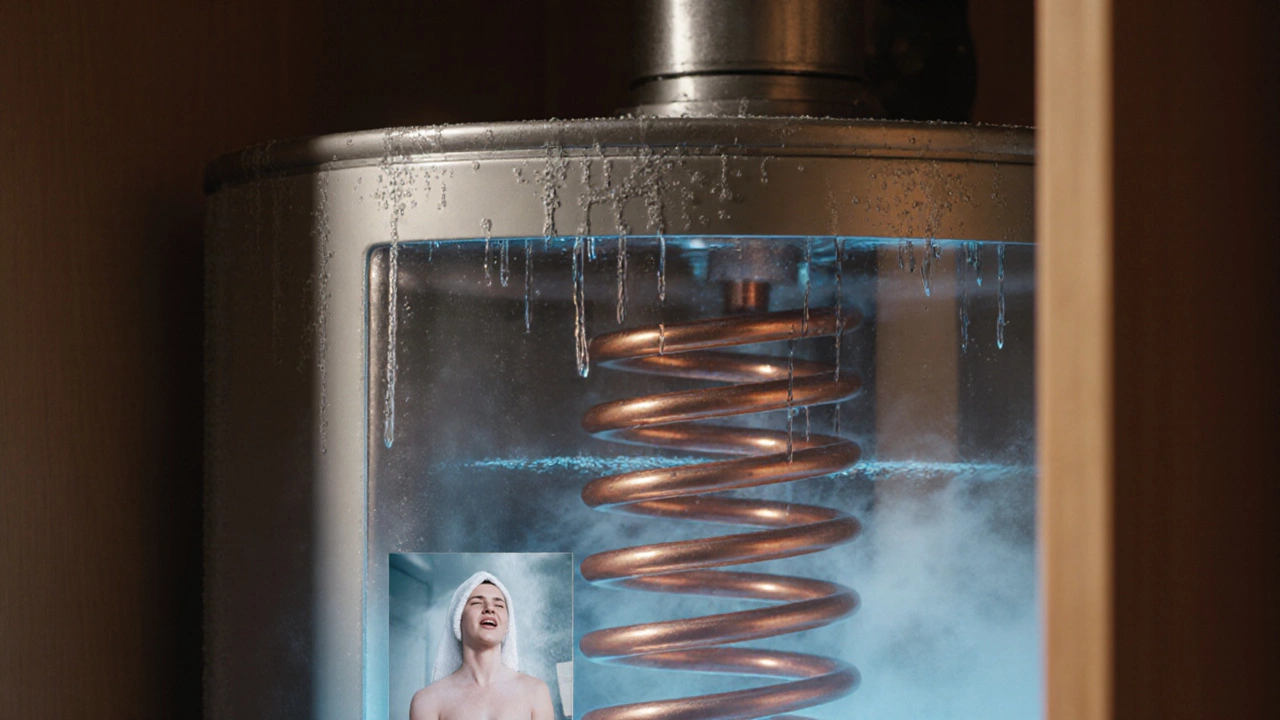
How to Identify a Bad Hot Water Heater Element - Simple DIY Test
Learn how to spot a bad hot water heater element, test it with a multimeter, and decide when to replace it or call a pro.