If you turned on the shower this morning and got nothing but a cold splash, you’re not alone. In Brisbane, where even winter days feel like a mild breeze, losing hot water feels like a full-blown crisis. One minute you’re enjoying a warm shower, the next - silence. No steam, no warmth, just icy water. What happened? And more importantly, how do you fix it without calling a plumber right away?
Your water heater isn’t broken - maybe
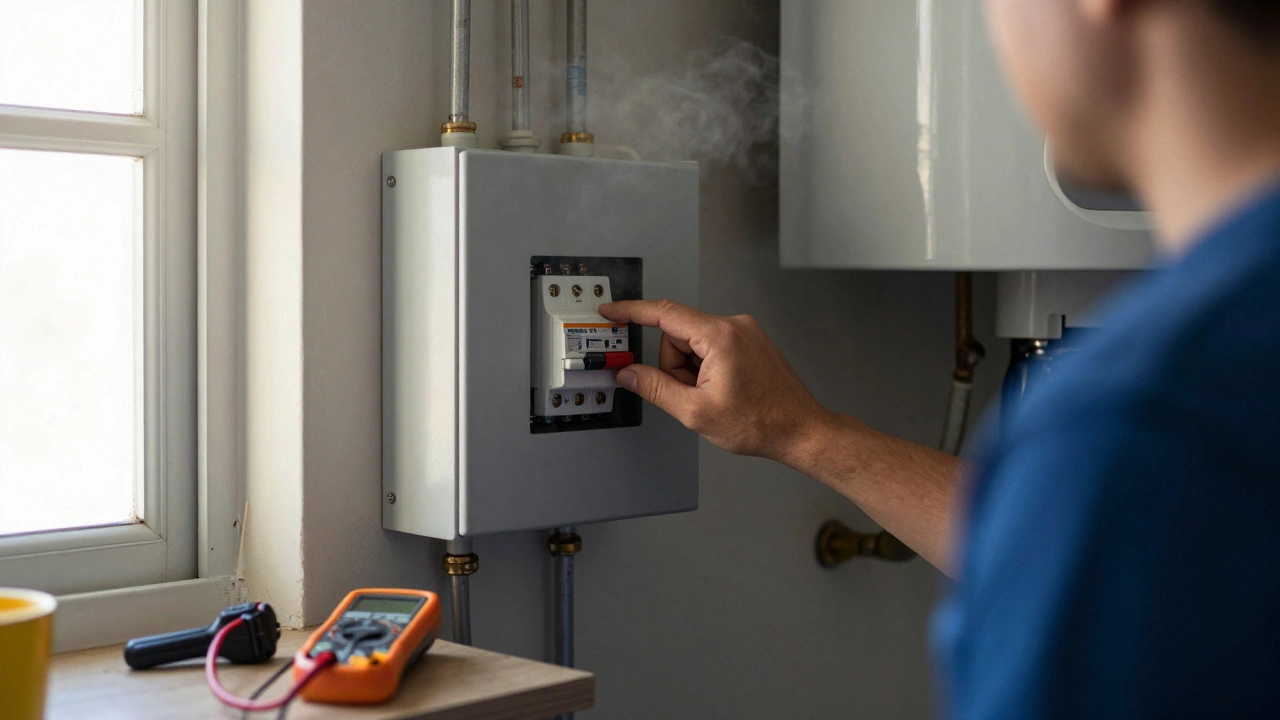
Most people assume a sudden loss of hot water means the whole unit is dead. That’s rarely true. Water heaters are built to last 8 to 12 years, and many fail slowly. But when they go out suddenly, it’s usually one of five simple things. Not a full replacement. Not a $2,000 repair. Just something you can check yourself in under 10 minutes.Start with the most obvious: is the power on? If you’ve got an electric water heater - and most homes in Brisbane do - check your circuit breaker. Go to your switchboard. Look for the breaker labeled "Water Heater" or "EHW." It might be in the middle position - not fully on, not fully off. That’s called tripped. Flip it all the way off, then back on. You’ll hear a click. If your hot water comes back within 30 to 45 minutes, that was it. No need for a technician.
If you’ve got a gas water heater, the pilot light might have gone out. Look for a small window on the bottom of the unit. If you don’t see a blue flame, the pilot’s out. Most modern gas heaters have an electronic ignition, but older ones use a standing pilot. If yours is one of those, follow the instructions on the side of the tank. Usually, you turn the knob to "Pilot," press and hold the ignition button, and light it with a long match or lighter. Wait 30 seconds, then turn it to "On." If it won’t stay lit, the thermocouple might be faulty - but that’s a job for a pro.
The thermostat is set too low
Electric water heaters have two thermostats - one for the upper heating element, one for the lower. If the upper one fails, you might get a little bit of warm water at first, then nothing. That’s because the lower element never kicks in. The fix? Turn the temperature dial up to 60°C. Most units are set to 50°C for safety. But if someone accidentally turned it down, or if the dial got bumped, that’s your problem.To check the thermostat, you need to remove the access panel on the side of the tank. It’s usually held by two screws. Behind it, you’ll find two dials. Make sure both are set to the same temperature. If one is at 40°C and the other at 60°C, reset them both to 60°C. Wait an hour, then test the water again.
Don’t crank it higher than 60°C. That’s the safety limit. Above that, you risk scalding and increased energy bills. If the water still doesn’t heat up after adjusting the thermostats, one of the heating elements has likely burned out.
One or both heating elements are dead
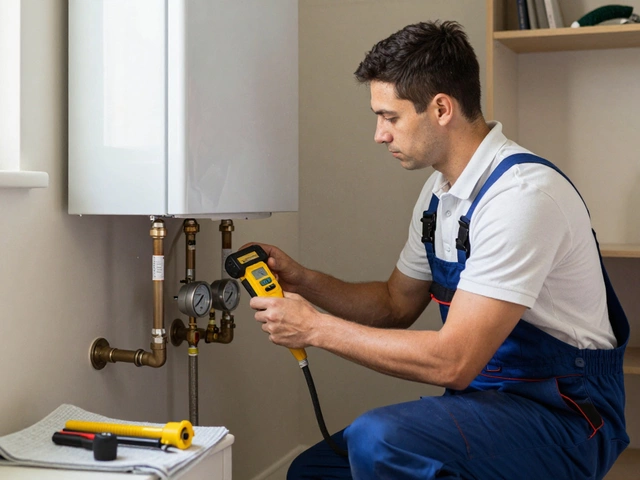
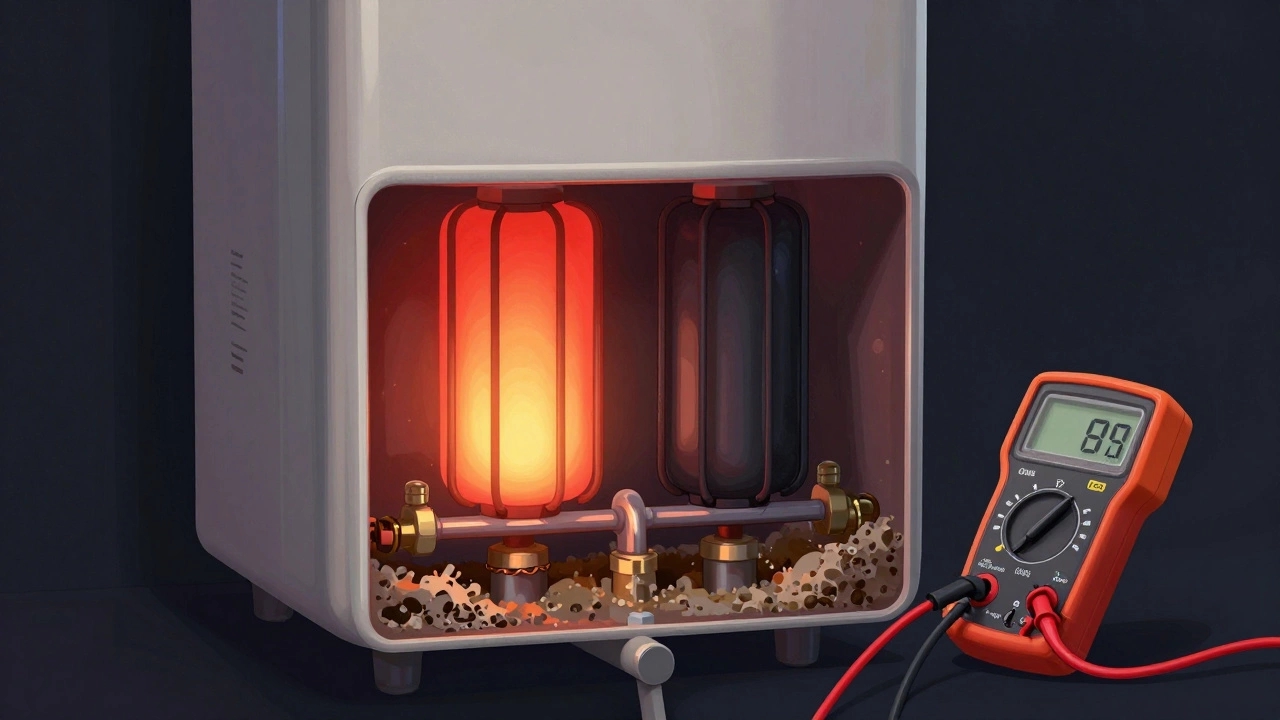
Electric water heaters use two heating elements - one near the top, one near the bottom. They work in sequence. The top element heats the upper portion of the tank first. Once that’s hot, the lower element kicks in to heat the rest. If the top element fails, you might get lukewarm water for a few minutes, then cold. If the bottom one fails, you get no hot water at all.Testing them takes a multimeter and a bit of caution. First, turn off the power at the breaker. Then drain a few liters of water from the tank to reduce pressure. Remove the access panels and insulation. You’ll see two metal rods with wires attached. These are the heating elements.
Set your multimeter to ohms (Ω). Touch one probe to each screw terminal on the element. If you get a reading between 10 and 30 ohms, the element is good. If you get no reading or infinity, it’s dead. Replace it. Same for the second element. Both are usually the same model - look for the part number on the old one. You can buy replacements at Bunnings or online for under $50. Installation takes about an hour. Just remember: turn the power back on only after the tank is full of water. Otherwise, you’ll burn out the new element instantly.
Mineral buildup is choking your tank
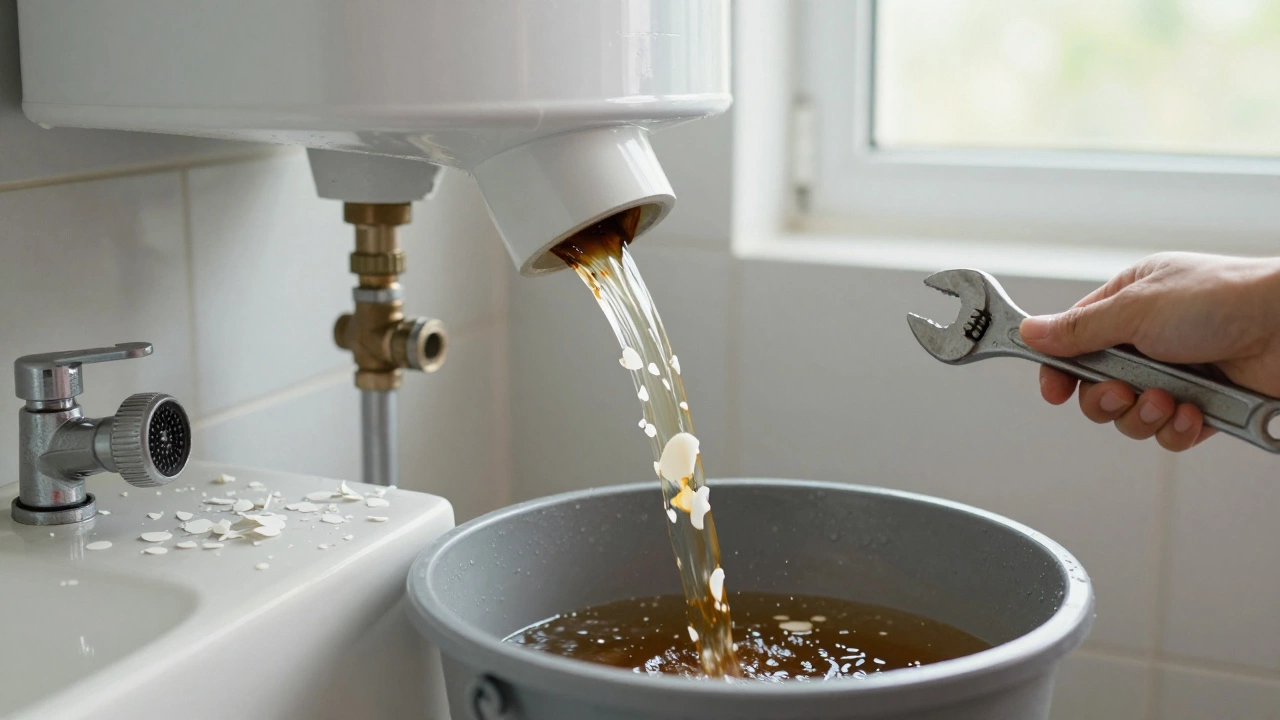
Brisbane’s water is hard. That means it’s full of calcium and magnesium. Over time, these minerals settle at the bottom of your tank like sand. They form a thick layer between the heating element and the water. The element heats the sediment instead of the water. That means slower heating, higher bills, and eventually, no hot water.The fix? Flush the tank. Do it every year. It’s not hard. Turn off the power. Close the cold water inlet valve. Attach a garden hose to the drain valve at the bottom of the tank. Open the valve and let the water run into a bucket or drain. You’ll see cloudy, rusty, or gritty water come out. Keep going until it runs clear. That could take 10 to 20 minutes.
While you’re at it, open a hot water tap somewhere in the house. This lets air into the system and helps the tank drain faster. Once it’s drained, close the valve, turn the water back on, and wait for the tank to refill. Then turn the power back on. You’ll notice the water heats up faster and stays hot longer.
The dip tube is cracked or broken
The dip tube is a long plastic pipe that sends cold water to the bottom of the tank. If it breaks, cold water gets mixed in with the hot water right at the top. That means your shower starts hot, then turns cold within seconds. It’s a sneaky one - the heater works fine, but the water coming out is lukewarm.Signs of a broken dip tube: sudden drop in hot water volume, cold water coming out of hot taps, or white plastic flakes in your showerhead or faucet aerators. The flakes are bits of the broken dip tube. They’re harmless but annoying.
Replacing the dip tube requires draining the tank and removing the cold water inlet pipe. It’s doable if you’re handy, but many people call a plumber because it’s messy. The part costs $25. Labor runs $150-$250. If your heater is older than 8 years, it might be smarter to replace the whole unit instead.
When to call a professional
You can fix most of these yourself. But there are times you need help.- If you smell gas near your water heater - leave the house and call your gas company immediately.
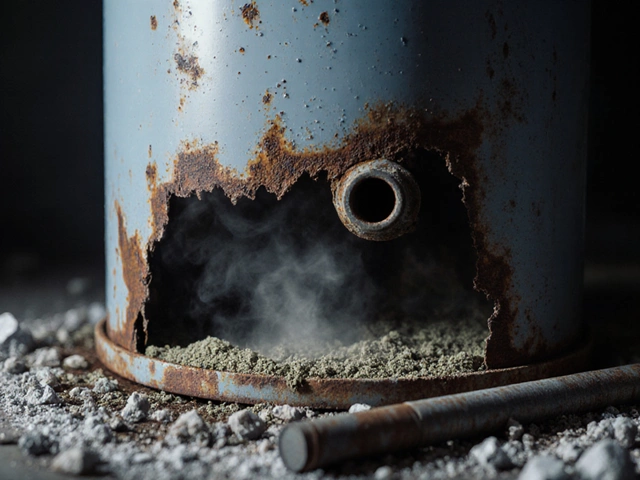
- If water is leaking from the bottom of the tank - that’s corrosion. The tank is done.
- If you’ve checked the breaker, thermostats, elements, and flushed the tank - and still no hot water - there’s a control board or sensor issue.
- If your unit is over 10 years old and you’re spending more on repairs than a new one, it’s time to upgrade.
Modern water heaters are more efficient. A new 50-gallon electric model uses 30% less energy than one from 2010. Plus, many now come with smart features - remote temperature control, leak detection, and self-flushing cycles. If you’re due for a replacement, consider a heat pump water heater. They’re becoming popular in Brisbane because they use ambient air to heat water. They cut electricity use by 60% compared to standard electric tanks.
Prevent this from happening again
You don’t need to wait for disaster to strike. Do this every six months:- Check the circuit breaker for your water heater.
- Set both thermostats to 60°C.
- Drain a bucket of water from the tank’s bottom valve to flush out sediment.
- Inspect the pressure relief valve - lift the lever. Water should gush out. If it doesn’t, replace it.
- Look for rust or wet spots around the base of the tank.
These five steps take 15 minutes. They’ll save you hundreds in repairs and keep your showers warm for years.
Why is my hot water suddenly cold but the heater is still on?
If the heater is running but you’re getting cold water, the issue is usually a broken dip tube, a failed heating element, or heavy sediment buildup. The tank may be heating, but the hot water isn’t reaching the tap. Check the thermostats, flush the tank, and test the elements with a multimeter.
Can a tripped breaker cause no hot water?
Yes. A tripped breaker cuts power to the heating elements. Even if the tank looks like it’s working - the lights are on, the display is active - no power means no heat. Always check the switchboard first. It’s the most common fix.
How long should it take for hot water to come back after resetting the heater?
After resetting the breaker or turning the heater back on, it takes 30 to 60 minutes for a standard 50-gallon electric tank to heat up fully. Gas heaters are faster - usually 20 to 30 minutes. If it’s been over an hour and the water is still cold, the problem isn’t the reset - it’s a component failure.
Is it safe to flush my water heater myself?
Yes, if you follow basic safety steps. Turn off the power or gas supply, close the cold water inlet, and open a hot water tap to relieve pressure. Use a hose to drain into a bucket or drain. Wear gloves and eye protection. The water will be hot - but not boiling. Just let it cool for a few minutes before draining if you’re unsure.
Should I replace my water heater if it’s 12 years old?
At 12 years, your water heater is at the end of its life. Even if it’s still working, efficiency drops, and the risk of leaks increases. A new unit will save you money on energy bills and prevent a messy flood. Look for models with a 10-year warranty and high Energy Star ratings. Heat pump models are ideal for Brisbane’s climate.
If your hot water stopped suddenly, don’t panic. Nine times out of ten, it’s something simple. Check the breaker. Adjust the thermostat. Flush the tank. Test the elements. You’ll likely fix it before lunch. And if you’re not sure? Call a licensed plumber. But don’t rush to replace it - your heater might still have years left in it.