Extractor Fan Lifespan: How Long Do They Last and When to Replace
When you think about your home’s appliances, the extractor fan, a ventilation device used in kitchens and bathrooms to remove moisture, smoke, and odors. Also known as exhaust fan, it’s one of the most ignored but most important parts of your home’s air quality system. Most people don’t realize how much strain these fans take—running for hours, pulling in grease, steam, dust, and hair. Over time, that grime builds up, the motor strains, and the bearings wear out. So how long do they actually last? On average, a well-maintained extractor fan lasts between 8 to 12 years. But if it’s never cleaned, stuck in a humid bathroom, or forced to handle heavy cooking fumes, it can die in under 5.
The biggest killer of extractor fans isn’t power surges or faulty wiring—it’s neglect. Grease clogs the blades, moisture rusts the motor housing, and dust gums up the bearings. A fan that used to whisper now groans. That’s not just annoying—it’s dangerous. Poor airflow means moisture lingers, which leads to mold on walls and ceilings. In kitchens, grease buildup can even become a fire hazard. And if your fan’s been running louder than your fridge, it’s probably working harder than it should, using more electricity and wearing out faster. That’s why extractor fan maintenance, regular cleaning and inspection to keep airflow strong and prevent breakdowns isn’t optional. It’s a simple 10-minute job every few months that can double its life. But even the best care has limits. The motor, the core component that spins the fan blades is the weakest link. Once it starts overheating or making grinding noises, repair rarely makes sense. Replacement is cheaper and safer.
You’ll know it’s time when the fan won’t turn on, spins slowly, or just hums without moving air. If you’ve cleaned it, checked the wiring, and replaced the fuse—and it still doesn’t work—it’s not a fix. It’s a replacement job. And if your fan is older than 10 years, even if it’s still running, you’re probably paying more in electricity than you would on a new, energy-efficient model. New fans are quieter, use less power, and come with timers and humidity sensors that turn themselves off. That’s not just convenience—it’s savings.
Below, you’ll find real guides from people who’ve been there—how to clean a clogged kitchen fan, how to tell if your bathroom extractor is dying, when to call a pro, and when to just buy a new one. No fluff. No theory. Just what actually works.
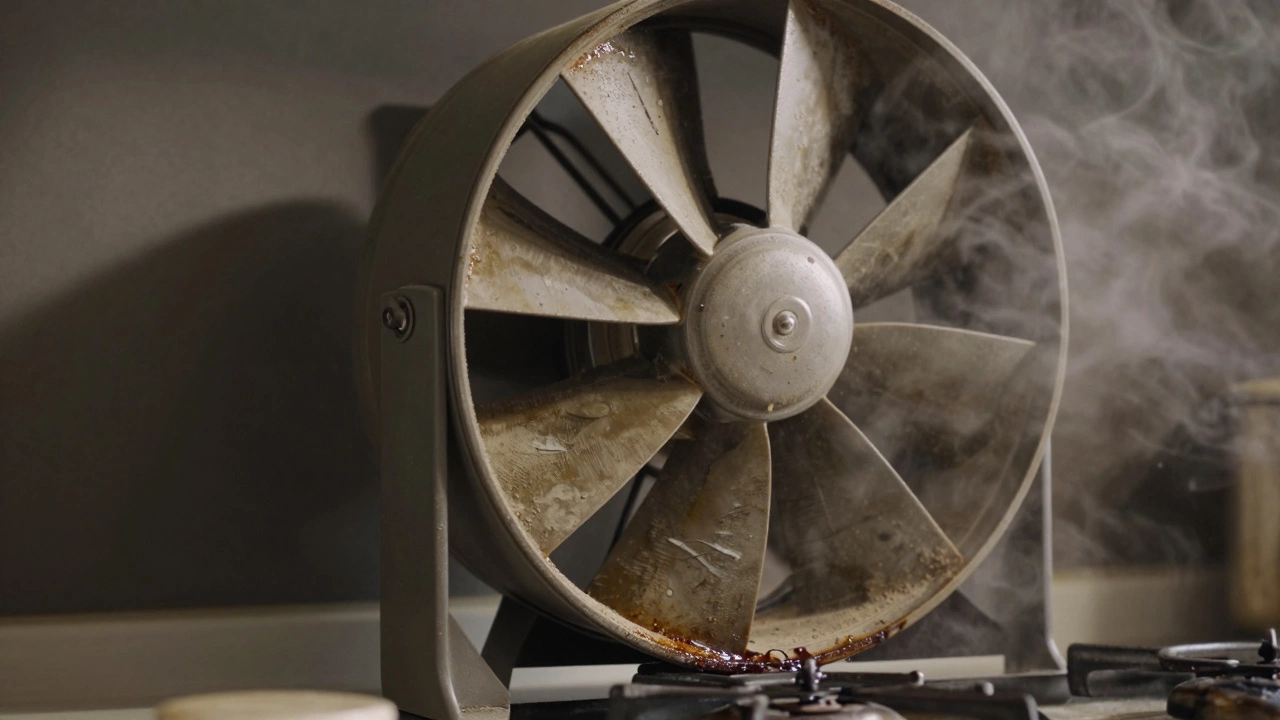
Do Extractor Fans Wear Out? Signs, Lifespan, and When to Replace
Extractor fans wear out over time due to motor strain, grease buildup, and bearing wear. Learn the signs of failure, typical lifespan, and whether repair or replacement is the better choice.
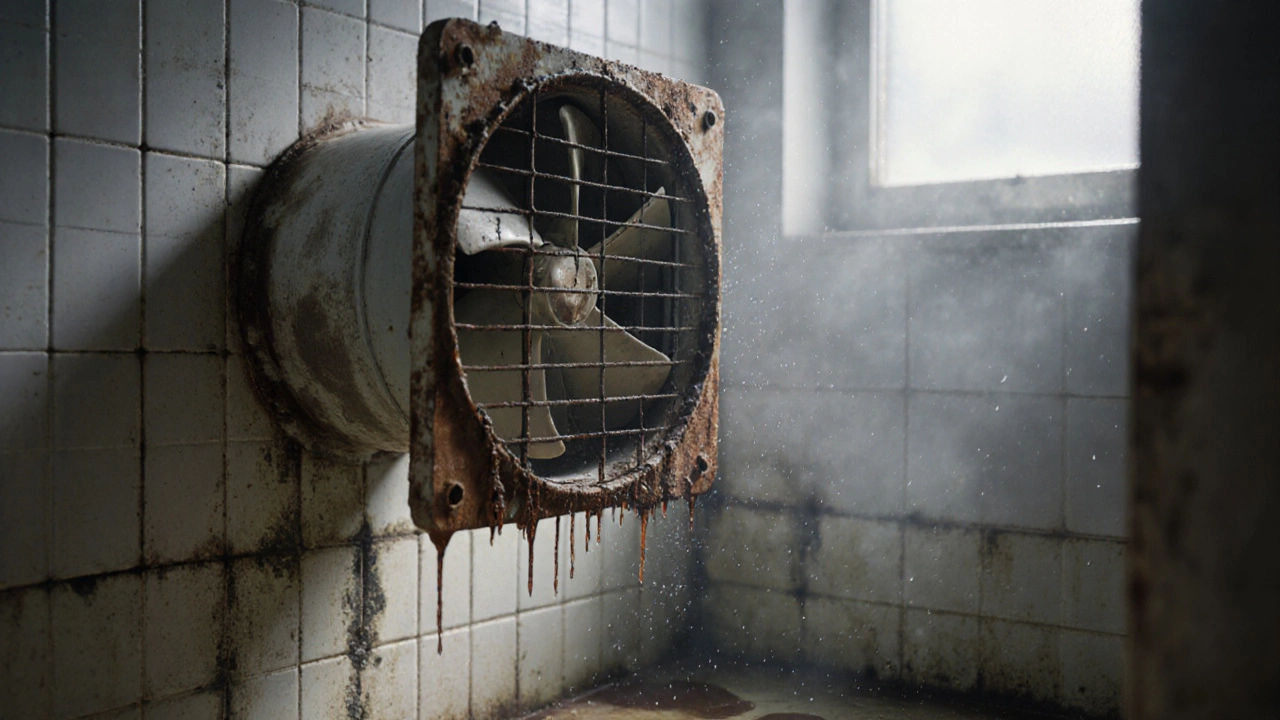
How Long Do Extractor Fans Last? Real-World Lifespan and When to Replace
Extractor fans typically last 6-10 years, but neglect can cut that in half. Learn the real signs of failure, how to extend lifespan, and what to look for when replacing one.