Extractor Fan Maintenance: Keep Your Kitchen and Bathroom Fresh
When working with extractor fan maintenance, the routine care that keeps an extractor fan operating efficiently. Also known as fan service, it involves cleaning, inspection, and timely repairs. A well‑maintained fan is a key part of any ventilation system, the network of ducts and openings that moves stale air out of a room, helping prevent moisture‑related mould, reduce cooking odors, and lower energy use. One of the most common failure points is the extractor fan motor, the electric component that drives the fan blades; it can overheat or seize if dust builds up on its bearings. Even the simple filter or cleaning brush, the removable part that catches grease and lint deserves attention, because clogged filters cut airflow by up to 50 % and force the motor to work harder.
Regular care starts with a quick visual check every one to two weeks. First, switch off the circuit breaker and remove the fan cover; a flat‑head screwdriver and a flashlight are all you need. Use a soft brush or a low‑speed vacuum attachment to clear dust from the filter and blade housing, then wipe the motor housing with a damp cloth. If the fan sounds louder than usual, inspect the motor bearings – a little oil on a cotton swab can revive squeaky bearings, but watch for metal shavings that signal wear. Next, run a basic voltage test with a multimeter: the motor should read around 120‑240 V depending on your region; any reading far off indicates a wiring issue. Checking the ductwork for blockages is another crucial step; a flexible cleaning brush can dislodge buildup inside the pipe, restoring the recommended 100 CFM (cubic feet per minute) airflow for a typical kitchen. Keep a simple log noting the date, cleaning actions, and any unusual noises; patterns often reveal when a motor is approaching the end of its life.
Knowing when to call a pro saves time and avoids safety hazards. Professional extractor fan repair services, experienced technicians who can diagnose motor faults, replace wiring, or upgrade to a more efficient model typically charge £80‑£120 for a visit and £150‑£300 for motor replacement, which is worth it if you hear a burning smell, the fan won’t start at all, or the motor makes grinding noises. For minor issues, a DIY approach works well: replace a worn filter, tighten a loose motor mount, or swap out a faulty switch for under £20. Always turn off electricity at the breaker, wear gloves, and never work with the fan plugged in – electrical shock is a real risk. If your home is under warranty or you have a service agreement, schedule the work with a licensed electrician who can provide a certificate of compliance. Balancing DIY fixes with professional help ensures your fan runs quietly, reduces humidity, and protects your home from mould growth. Below, you’ll find a collection of articles that walk through each step, from basic cleaning to motor replacement and choosing the right service.
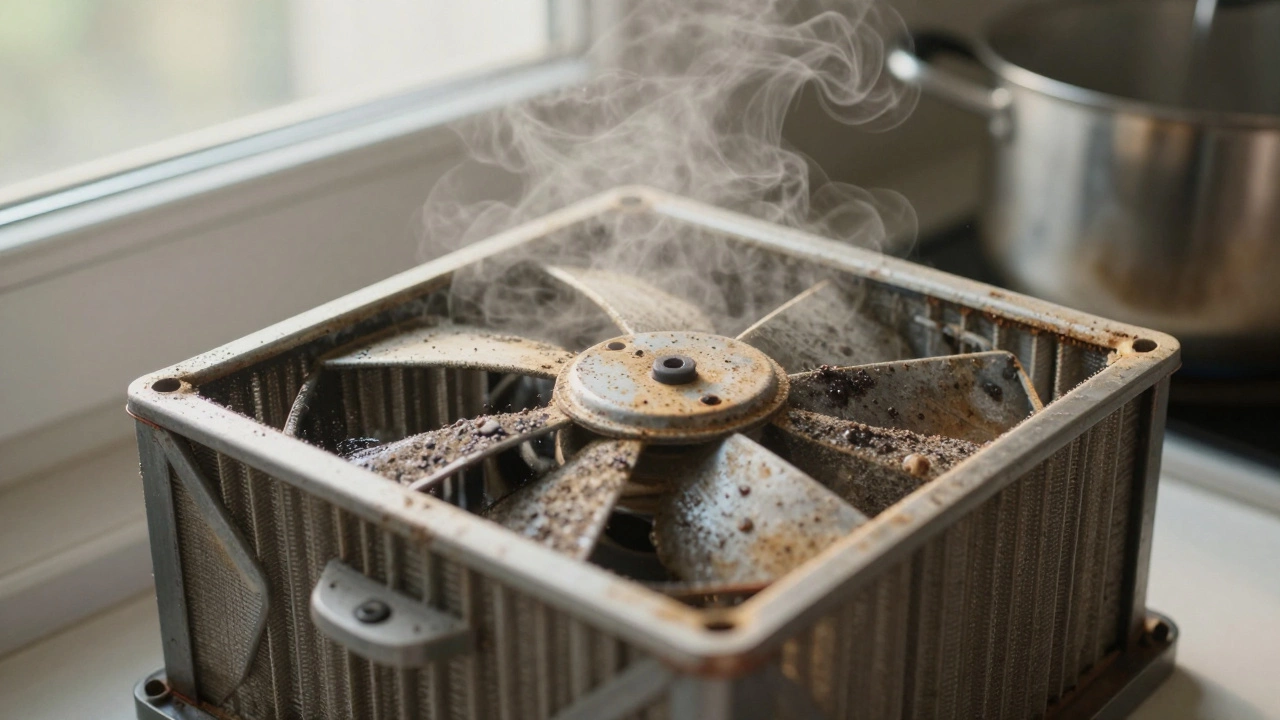
Do Extractor Fans Need Servicing? What You Must Know
Extractor fans need regular servicing to prevent mold, fire risks, and costly repairs. Learn how often to clean filters, when to call a pro, and what signs mean it's time to replace yours.
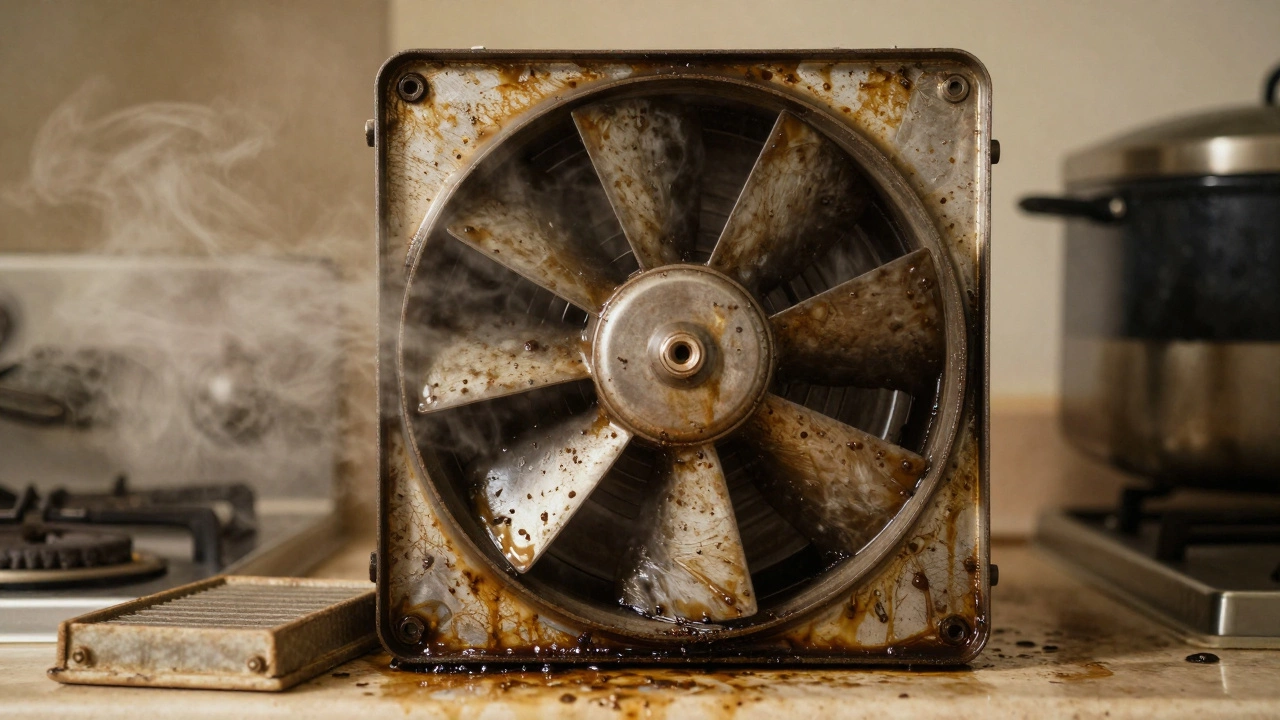
Should Extractor Fans Be Serviced? What You Need to Know
Extractor fans need regular servicing to prevent grease buildup, mold growth, and motor failure. Learn how often to clean them, signs they need repair, and why ignoring maintenance can lead to costly damage.

Do Extractor Fans Need Maintenance? What You Must Know
Extractor fans need regular cleaning to work properly. Grease and moisture buildup reduces airflow, increases energy use, and can cause mold or fire risks. Learn how often to clean them and when to replace them.
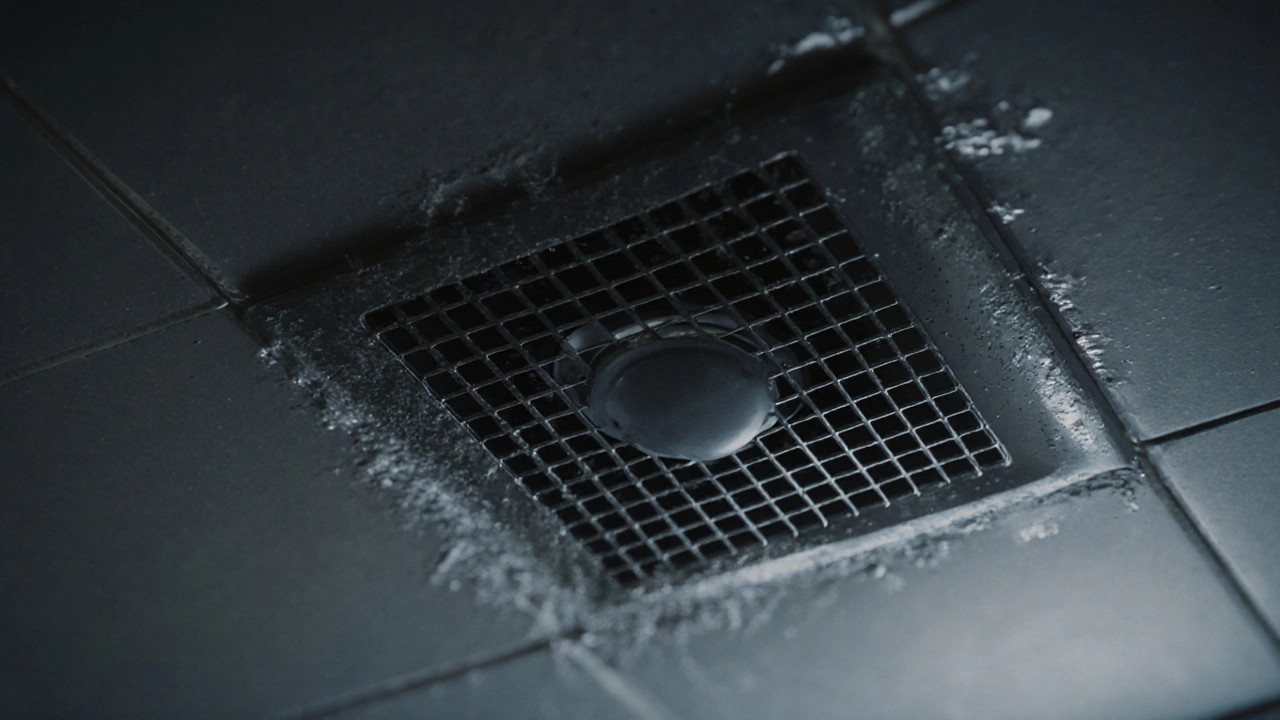
How to Service a Bathroom Extractor Fan - Simple DIY Guide
Learn how to safely service a bathroom extractor fan with a step‑by‑step DIY guide, tools list, maintenance schedule, common fixes, and a FAQ to keep your fan running smoothly.