Water Heater Troubleshooter
Answer the questions below to diagnose why your water heater is producing cold or lukewarm water.
Likely Diagnosis:
You step into the shower expecting warmth, but you get a blast of ice-cold water instead. It’s frustrating, especially if you’ve just paid for gas or electricity to heat your tank. When a water heater fails to produce hot water, it usually isn’t because the unit has died completely. Instead, it’s often a specific component that has stopped working, like a tripped breaker, a failed heating element, or a broken dip tube. Before you call a plumber and spend hundreds of dollars, you can diagnose the problem yourself in about fifteen minutes. Most causes are simple fixes that don’t require specialized tools, while others signal that it’s time to replace a part or the whole unit.
The Quick Fix Checklist
Before digging deep into mechanics, run through these basic checks. These resolve about 30% of "no hot water" complaints instantly.
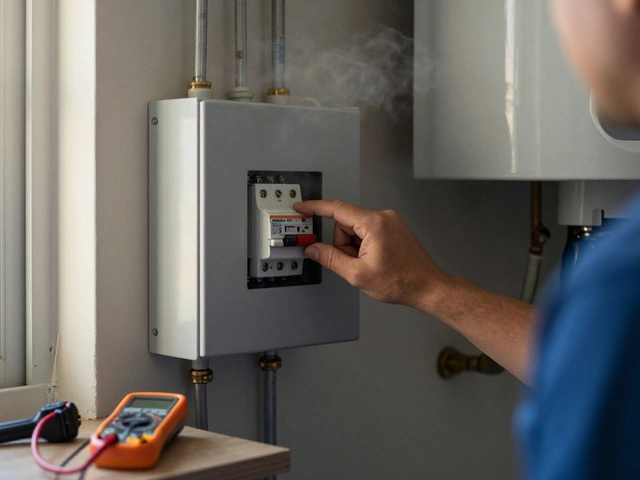
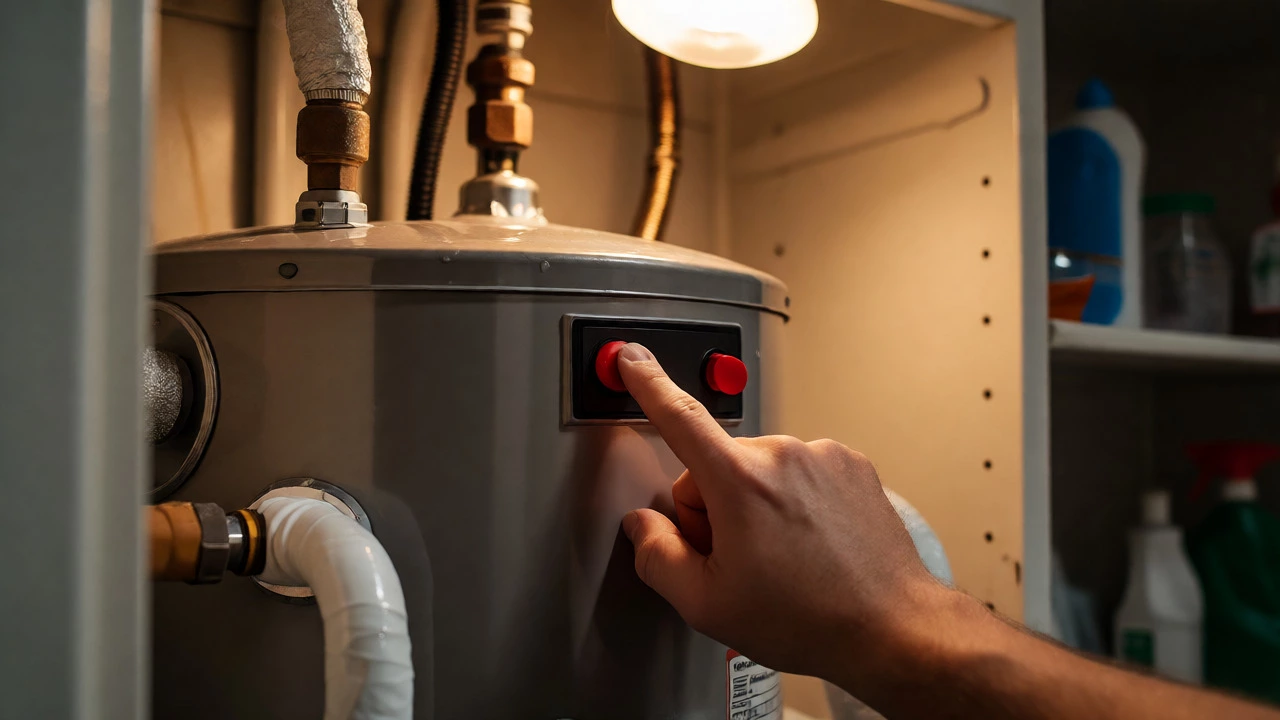
- Check the Power Supply: For electric heaters, look at your home’s circuit breaker panel. A tripped breaker is common. Flip it fully off, then back on. If it trips again immediately, you have a short circuit, likely from a leaking element.
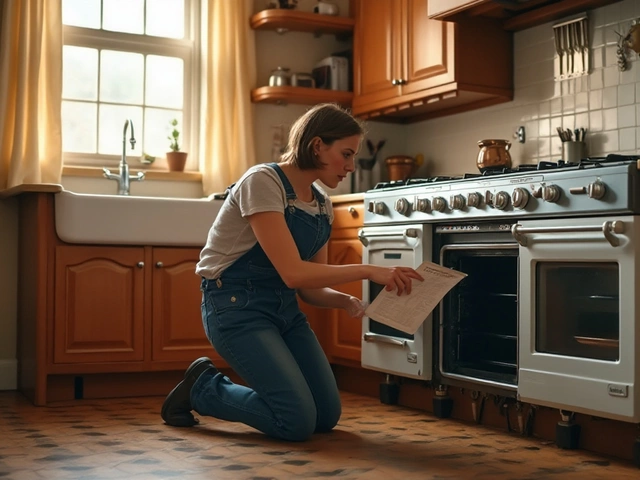
- Verify the Pilot Light (Gas Units): If you have a gas model, check if the pilot light is lit. If it’s out, follow the relighting instructions on the label. If it won’t stay lit, the thermocouple might be dirty or faulty.
- Inspect the Thermostat Settings: Sometimes the dial gets bumped down. Ensure both upper and lower thermostats (on electric units) are set to around 120°F (49°C). Note: You may need to remove access panels to see them.
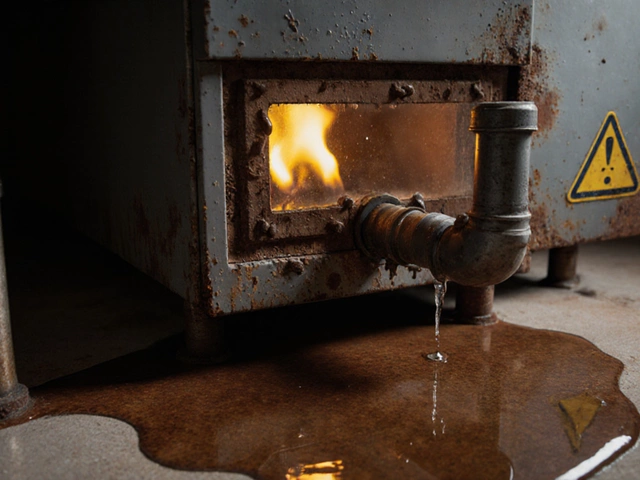
- Look for Leaks: Check around the base of the tank and the pipe connections. Even a small leak can drop pressure enough to affect hot water delivery, though this usually results in lukewarm rather than cold water.
Electric Water Heaters: The Heating Element Trap
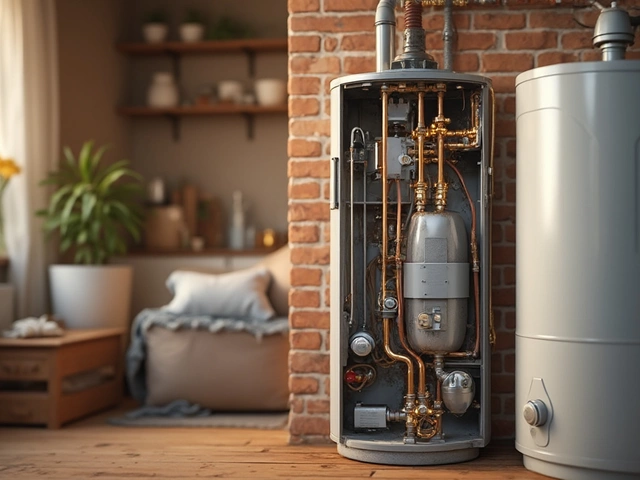
If your power is on and the settings are correct, but you still get cold water, the culprit is almost certainly the heating elements. Electric tanks use two elements: one at the top and one at the bottom. They work in tandem. The top element heats the water drawn for showers, while the bottom element keeps the rest of the tank warm.
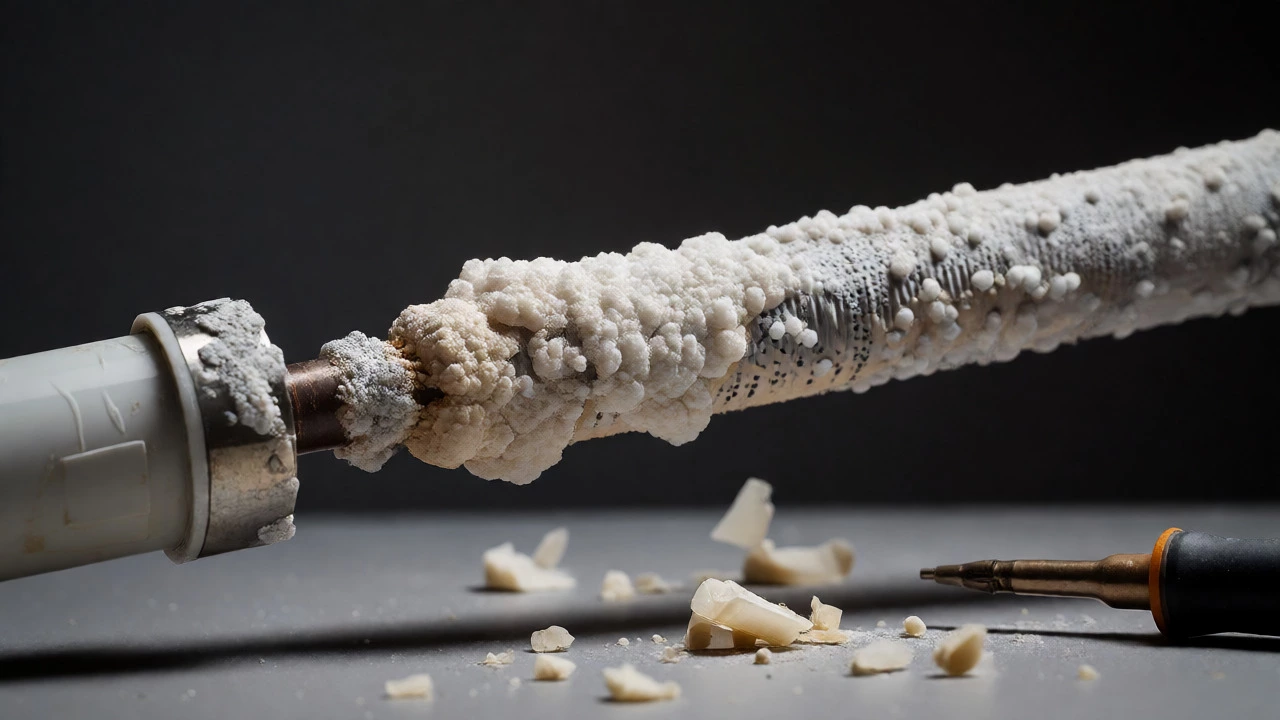
Here’s how they fail: Over time, minerals in hard water build up on the elements, creating a crusty layer called scale. This scale acts as an insulator, preventing the heat from transferring to the water. Eventually, the element burns out because it overheats itself trying to push heat through the mineral barrier. If only the top element is dead, you’ll notice the hot water runs out very quickly-maybe after just five minutes of showering. If both are dead, you get zero hot water.
To test this, you need a multimeter. Turn off the power, remove the access panel, peel back the insulation, and unscrew the plastic safety cover. Set your multimeter to continuity mode. Touch the probes to the terminals of the element. If the meter doesn’t beep or show near-zero resistance, the element is blown and needs replacement. Replacing an element costs between $20 and $50 and takes less than an hour if you’re comfortable draining the tank first.
Gas Water Heaters: Thermocouples and Gas Valves
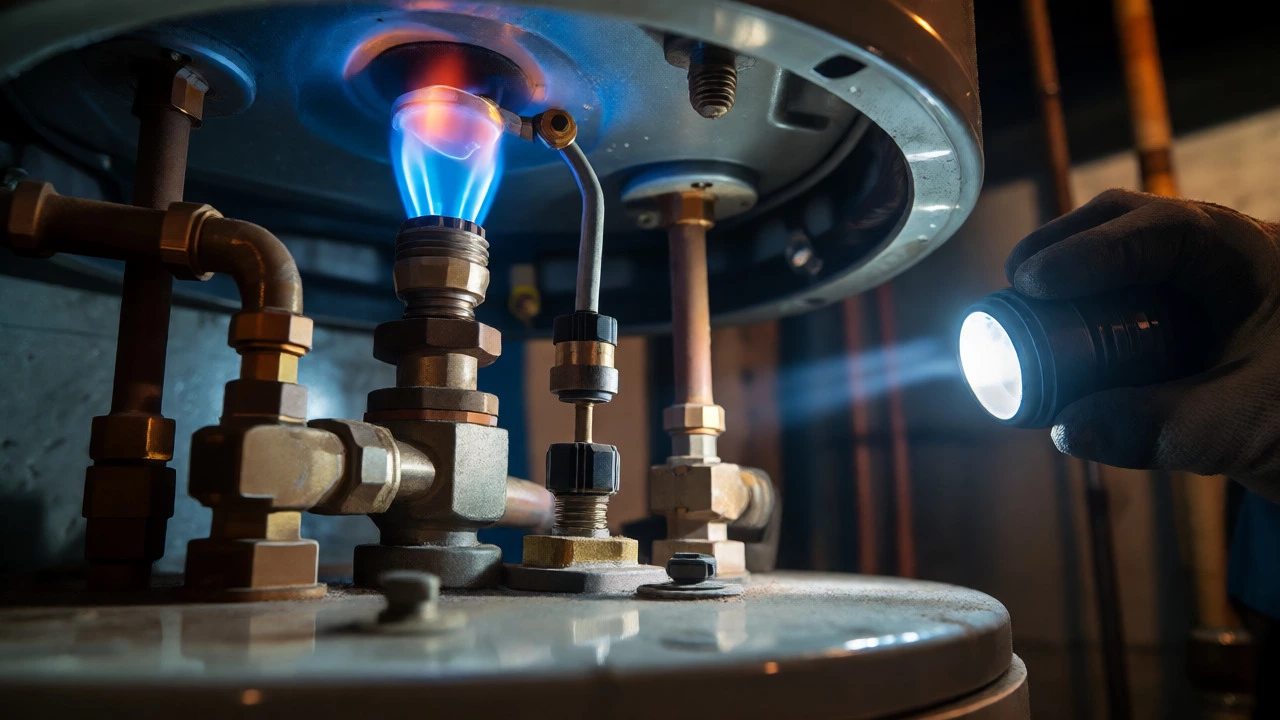
For gas models, the issue often lies with the thermocouple. This small metal rod sits next to the pilot flame. Its job is to sense the heat of the pilot and send a signal to the gas control valve to keep the main burner ignited. If the pilot flame is weak or yellow instead of blue, it won’t heat the thermocouple enough. The valve thinks the pilot is out and shuts off the gas supply to prevent leaks.
Sometimes the thermocouple is simply covered in soot or carbon buildup. Cleaning it with fine steel wool or emery cloth can restore function. If cleaning doesn’t work, the thermocouple itself may be worn out. These parts are cheap ($10-$15) and easy to swap. However, if the pilot lights easily but goes out when you release the knob, the thermocouple is definitely the problem. If the pilot stays lit but the main burner never kicks on, the issue could be the gas control valve itself, which is a more complex repair often requiring a professional.
The Silent Killer: Sediment Buildup
Even if your heating elements and gas burners are working perfectly, you might still experience inconsistent hot water due to sediment buildup. Tap water contains minerals like calcium and magnesium. As water heats, these minerals settle at the bottom of the tank. Over years, this creates a thick layer of sludge.
This sediment causes two major problems. First, it acts as a barrier between the heating source (element or burner) and the water, reducing efficiency. Second, and more critically for cold water issues, it can block the drain valve or interfere with the dip tube. In some cases, excessive sediment can cause the tank to overheat locally, triggering the high-limit switch (ECO button) to trip, cutting power until it cools down. If you hear popping or cracking noises from the tank, sediment is likely present. Flushing the tank annually can prevent this, but if the buildup is severe, flushing might not help, and the tank’s lifespan is nearing its end.
The Dip Tube Failure
A less obvious cause of lukewarm or cold water is a broken dip tube. This long plastic pipe directs incoming cold water to the bottom of the tank. Without it, cold water mixes directly with the hot water at the top. This means your tank might technically hold hot water, but by the time it reaches your faucet, it’s been diluted by fresh cold water entering the system.
Older tanks (pre-1997) used dip tubes made of materials that degraded over time, turning brittle and crumbling. If you suspect this, look for tiny white plastic fragments coming out of your hot water faucets. That’s the dip tube disintegrating. Unfortunately, fixing this requires replacing the entire tank in most cases, as accessing the dip tube involves removing the inlet pipe and potentially damaging the tank lining during extraction.
When to Call a Professional vs. DIY
Deciding whether to fix it yourself depends on the diagnosis and your comfort level with plumbing and electrical work. Here is a breakdown to help you decide.
| Problem | DIY Feasibility | Estimated Cost (Parts) | Risk Level |
|---|---|---|---|
| Tripped Breaker / Reset Button | High | $0 | Low |
| Pilot Light Out | High | $0 | Medium (Gas Safety) |
| Faulty Thermocouple | Medium | $15 | Medium |
| Failed Heating Element | Medium | $25 | High (Electrical/Water) |
| Broken Dip Tube | Low | N/A (Replace Tank) | High |
| Leaking Tank | None | $800+ | High (Water Damage) |
If you are dealing with a leaking tank, do not try to patch it. Steel tanks rust from the inside out, and patches rarely hold. It’s time for a new unit. For electrical repairs, always ensure the power is off at the breaker, not just the wall switch. Test with a voltage tester before touching any wires. If you smell gas at any point, leave the house and call your utility company immediately.
Preventing Future Cold Showers
Once you’ve fixed the immediate issue, take steps to extend the life of your water heater. Install a water softener if you live in an area with hard water; this drastically reduces scale buildup on elements and inside the tank. Flush your tank once a year to remove sediment. This takes ten minutes: attach a hose to the drain valve, open the valve, let it run until the water runs clear, and close it. This simple habit can add five years to your unit’s life.
Also, consider insulating your pipes. While this doesn’t stop the heater from failing, it keeps the water hotter for longer as it travels from the tank to your faucet, meaning the heater doesn’t have to work as hard to maintain temperature. Insulation sleeves cost pennies per foot and are easy to install with tape or zip ties.
Why does my hot water run out so fast?
If your hot water runs out quickly, the top heating element on an electric water heater may be broken, or the dip tube could be damaged. On gas units, it might indicate a smaller tank size relative to demand or a malfunctioning mixing valve. Checking the element first is the most common diagnostic step.
Can I reset my water heater myself?
Yes, most electric water heaters have a red reset button located behind the upper access panel. If the water overheated, this button pops out. Press it firmly to reset. If it trips again immediately, there is likely a wiring fault or a bad element that needs replacement.
How long do water heater elements last?
Heating elements typically last between 8 and 10 years. However, in areas with hard water, they can fail in as little as 3 to 5 years due to mineral scale buildup. Regular maintenance and water softening can significantly extend their lifespan.
Is it dangerous to ignore a leaking water heater?
Yes. A leaking tank indicates corrosion that will eventually lead to catastrophic failure. This can release hundreds of gallons of water rapidly, causing significant structural damage, mold growth, and potential electrical hazards if the leak reaches outlets or appliances.
Why is my gas water heater making a popping noise?
Popping or rumbling noises are caused by sediment trapping water beneath it. When the burner heats this trapped water, it boils violently, creating the noise. This reduces efficiency and can damage the tank floor. Flushing the tank usually resolves the issue.