Hot Water Troubleshooting Wizard
Identify your system type and symptoms to get instant troubleshooting advice.
Step 1: What type of system do you have?
Choose the option that best describes your unit.
Step 2: What is happening?
SystemSelect the most accurate description of the problem.
Nothing ruins a morning faster than stepping into a freezing shower because your hot water system has stopped producing heat. You turn the tap, wait for warmth, and get nothing but cold shock. Before you panic or call a plumber for an expensive service call, take a breath. Most cases of hot water not turning on are caused by simple issues you can diagnose and often fix yourself in under ten minutes.
This guide walks you through the exact steps to troubleshoot your unit, whether it’s electric or gas. We’ll cover the most common culprits-tripped breakers, pilot light failures, and thermostat faults-and help you decide when it’s time to stop DIY-ing and call in a pro. Let’s get your showers warm again.
Quick Fixes at a Glance
- Check the Power: For electric units, look for a tripped circuit breaker or blown fuse in your switchboard.
- Inspect the Pilot Light: For gas units, ensure the pilot is lit; if out, follow the relight instructions on the label.
- Reset the Thermostat: Many systems have a high-limit reset button that trips if the water gets too hot.
- Look for Leaks: A significant leak can drain the tank before it heats up, causing pressure drops.
- Check Gas Supply: Ensure other gas appliances (like your stove) are working to rule out a main supply issue.
Identify Your System Type First
You cannot fix what you do not understand. The first step is identifying which type of water heater powers your home. In Australia, particularly around Brisbane, two main types dominate residential homes: electric storage tanks and instantaneous gas units.
If you have a large cylindrical tank sitting in your garage or cupboard, it is likely an electric storage system. These hold a volume of water (usually 150L to 315L) and keep it heated via internal elements. If you have a compact, wall-mounted box near your kitchen or laundry with no large tank, you probably have an instantaneous gas system that heats water on demand.
Knowing this distinction changes your entire troubleshooting path. Electric units rely on electricity and heating elements. Gas units rely on gas flow, ignition sparks, and sensors. Trying to reset a gas pilot light on an electric unit will just waste your time.
Troubleshooting Electric Hot Water Systems
Electric heaters are robust, but they depend entirely on a steady power supply. If your hot water isn’t turning on, start at the source.
The Circuit Breaker Check
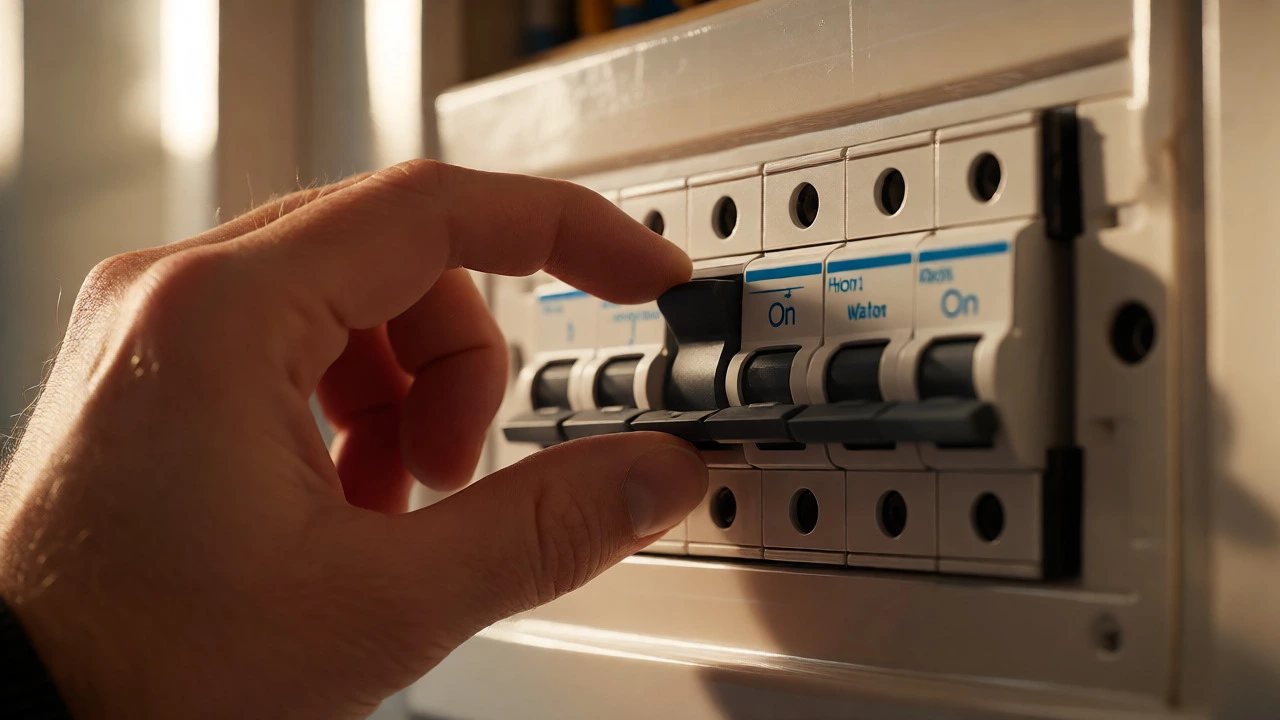
Head to your switchboard. Look for the breaker labeled "Hot Water," "WH," or sometimes just "Water." If the switch is in the middle position or flipped down, it has tripped. This usually happens due to a power surge or a faulty heating element drawing too much current.
Try flipping it back to the "On" position. If it stays on and the water heats up after a few hours, you were lucky-it was just a temporary surge. If it trips again immediately, you have a short circuit or a failed element. Do not keep resetting it repeatedly, as this can damage the switchboard contacts.
The High-Limit Reset Button
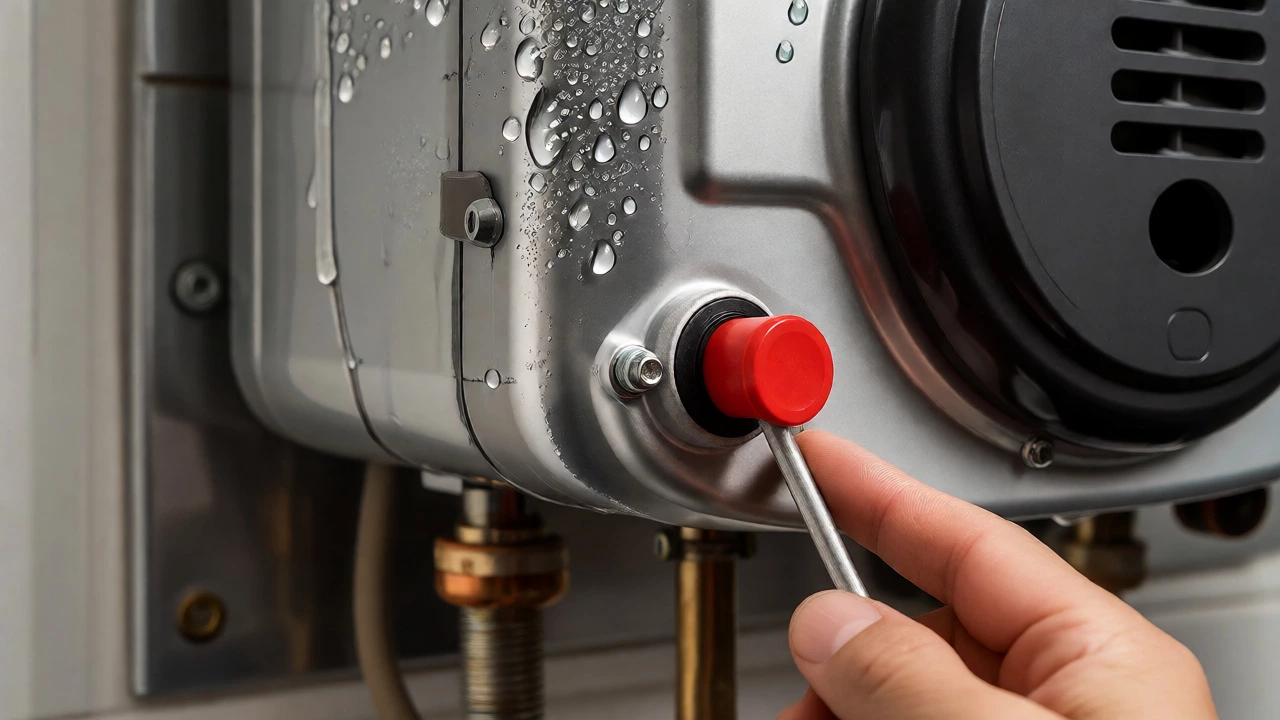
Most electric storage tanks have a safety feature called a high-limit thermostat. If the water temperature exceeds a safe level (usually around 90°C), this device cuts power to prevent boiling or explosion. It looks like a small red button located behind an access panel on the side of the tank.
To access it, you may need to remove a plastic cover. Use a non-conductive tool to press the reset button. You should feel or hear a click. Once reset, the system should resume heating. If the button pops out again within a day, your thermostat is faulty and needs replacement.
Heating Element Failure
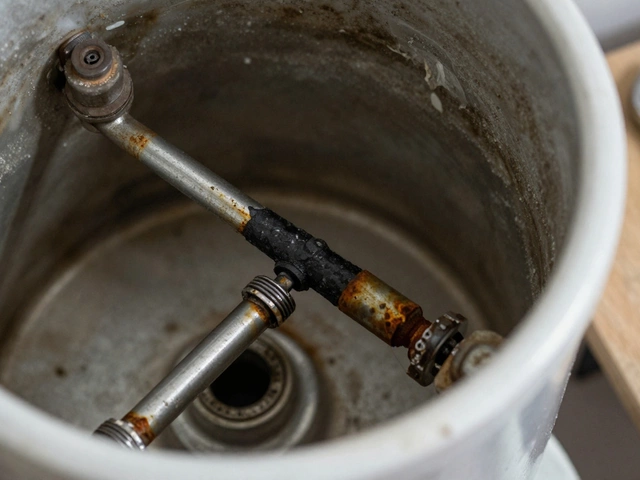
Inside the tank, there are one or two heating elements coated in metal sheaths. Over time, mineral deposits from hard water coat these elements, insulating them and causing them to overheat and burn out. If your power is on, the breaker hasn’t tripped, and the reset button holds, the elements might be dead.
Testing this requires a multimeter. You must isolate the power completely before opening the panel. Measure the resistance across the element terminals. A healthy element shows low resistance (continuity). An infinite reading means the element is broken. Replacing elements is a job for those comfortable with electrical work, but it’s often cheaper than replacing the whole unit.
Troubleshooting Instantaneous Gas Systems
Gas systems are more complex because they involve combustion. They don’t store water, so if they fail, you get cold water instantly. There is no "waiting for the tank to refill."
The Pilot Light and Ignition
Older models use a standing pilot light-a small flame that stays lit 24/7. Newer models use electronic ignition. If you have a standing pilot, check the viewing window. No flame? Relight it according to the diagram on the front panel. Usually, you turn the dial to "Pilot," press and hold the knob, and use a long match or lighter to ignite the gas while pressing the igniter button.
If the pilot lights but goes out when you release the knob, the thermocouple is dirty or faulty. This safety sensor shuts off gas if it doesn’t detect heat. Clean it with steel wool or replace it. It’s a cheap part, often under $20.
For electronic ignition models, listen for a clicking sound when you turn on a hot tap. No click means no spark. This could be a dead battery (yes, many modern gas units run on D-cell batteries!) or a faulty ignition module. Replace the batteries first-it’s the most common fix.
Water Flow Sensors
Gas heaters need sufficient water flow to trigger the gas valve. If your household water pressure is low, or if the inlet filter is clogged with debris, the sensor won’t activate. Check your other taps. Is the pressure generally low? If yes, clean the aerators on your faucets. If only the hot water is weak, the heater’s inlet filter might be blocked. Turn off the water, disconnect the cold inlet hose, and rinse the mesh screen.
Common Culprits Across All Systems
Some issues affect both electric and gas units. These are often overlooked because people focus on the heater itself rather than the plumbing surrounding it.
Mixing Valve Issues
A thermostatic mixing valve blends hot and cold water to deliver a safe temperature. If this valve fails, it might default to cold water only, even if the heater is working perfectly. Test this by bypassing the valve temporarily or checking if the pipe leaving the heater is hot while the tap output is cold. If the heater outlet is hot, the problem is downstream in the valves or pipes, not the heater.
Thermostat Calibration
Sometimes the water is hot, but not hot enough. The thermostat might have drifted over time. Adjusting it slightly higher can solve this. However, be careful. Setting it too high increases energy costs and scalding risk. Aim for 60°C for storage tanks to kill Legionella bacteria without wasting excessive energy.
When to Call a Professional
DIY is great for resets and basic checks, but some jobs require licensed tradespeople. In Queensland, you legally need a licensed plumber or electrician for certain repairs depending on the scope.
| Issue | DIY Feasibility | Risk Level | Action |
|---|---|---|---|
| Tripped Breaker | High | Low | Reset once; if repeats, call electrician. |
| Pilot Light Out | High | Medium | Relight per manual; if fails, call plumber. |
| Battery Replacement | High | Low | Replace with correct D-cell batteries. |
| Leaking Tank | Low | High | Turn off power/gas; call plumber immediately. |
| Element Replacement | Medium | High | Only if confident with electrics; else call pro. |
| Gas Valve Fault | Low | High | Requires licensed gas fitter. |
If you see water pooling around the base of an electric tank, shut off the mains water and the power immediately. A leaking tank rarely seals itself. Continuing to run it risks electrical hazards and structural damage to your floorboards.
Preventing Future Failures
You don’t want to go through this every year. Regular maintenance extends the life of your unit significantly.
For electric tanks, flush the tank annually to remove sediment buildup. Sediment acts as an insulator, forcing elements to work harder and burn out sooner. Drain a few liters from the bottom valve until the water runs clear.
For gas units, ensure the ventilation area remains clear of dust and cobwebs. Blocked vents cause incomplete combustion, leading to soot buildup and sensor failure. Also, test your pressure relief valve twice a year by lifting the lever. If it doesn’t snap back or continues dripping, replace it.
Frequently Asked Questions
Why is my hot water only lukewarm?
This often indicates a failing heating element in electric units or a misadjusted thermostat. In gas units, it could be a blocked heat exchanger or low gas pressure. Check your thermostat settings first, then inspect for sediment buildup which reduces efficiency.
How long does it take for hot water to come back on?
For electric storage tanks, expect 1-3 hours depending on the tank size and starting temperature. Instantaneous gas systems provide hot water within seconds once the fault is cleared. If it takes longer than normal, check for insulation issues or element degradation.
Can I reset my own hot water system?
Yes, for minor issues like tripped breakers or high-limit switches. Locate the reset button (often red) behind the access panel. Press firmly. If the system doesn't restart or the breaker trips again, professional intervention is needed to avoid electrical damage.
What does a bad heating element smell like?
A burning smell, similar to overheated metal or burnt hair, often accompanies a failing element. This occurs when sediment causes localized overheating. If you notice this odor along with reduced hot water capacity, turn off the power and inspect the element.
Is it dangerous to ignore a leaking water heater?
Absolutely. Water leaks can lead to mold growth, wood rot, and foundation damage. More critically, if water reaches electrical components in an electric unit, it creates a shock hazard. Shut off the unit and contact a plumber immediately upon noticing persistent moisture.