Boiler Responsibility Checker
Annual Safety Check
MaintenanceBroken Part (Wear & Tear)
RepairDamage from Misuse
Tenant FaultFilter Replacement
UpkeepBoiler Too Old (>15 Years)
ReplacementLegal Obligation
In most jurisdictions, landlords are legally required to ensure gas/electrical safety. They must cover the cost of annual checks to maintain compliance with housing laws.
Recommended Action:
- ✔ Request a copy of the last safety certificate.
- ✔ Do not pay the technician directly unless agreed upon in writing for reimbursement.
Imagine this: It’s the middle of winter in Brisbane, or perhaps you’re in a colder climate where heating is non-negotiable. Your boiler gurgles, clicks, and then goes silent. The technician arrives, diagnoses the issue, and hands you a bill. But here is the million-dollar question that causes more arguments between landlords and tenants than almost any other household item: who actually pays for that fix?
The short answer? It depends entirely on your tenancy agreement and local laws. However, the long answer involves safety regulations, wear-and-tear distinctions, and specific clauses that many renters overlook until it’s too late. Understanding who covers boiler maintenance isn’t just about saving money; it’s about ensuring your home stays safe and habitable.
Understanding Boiler Maintenance vs. Repairs
Before we talk about money, we need to clarify what we are talking about. There is a massive difference between boiler maintenance and emergency repairs. Confusing these two is where most disputes start.
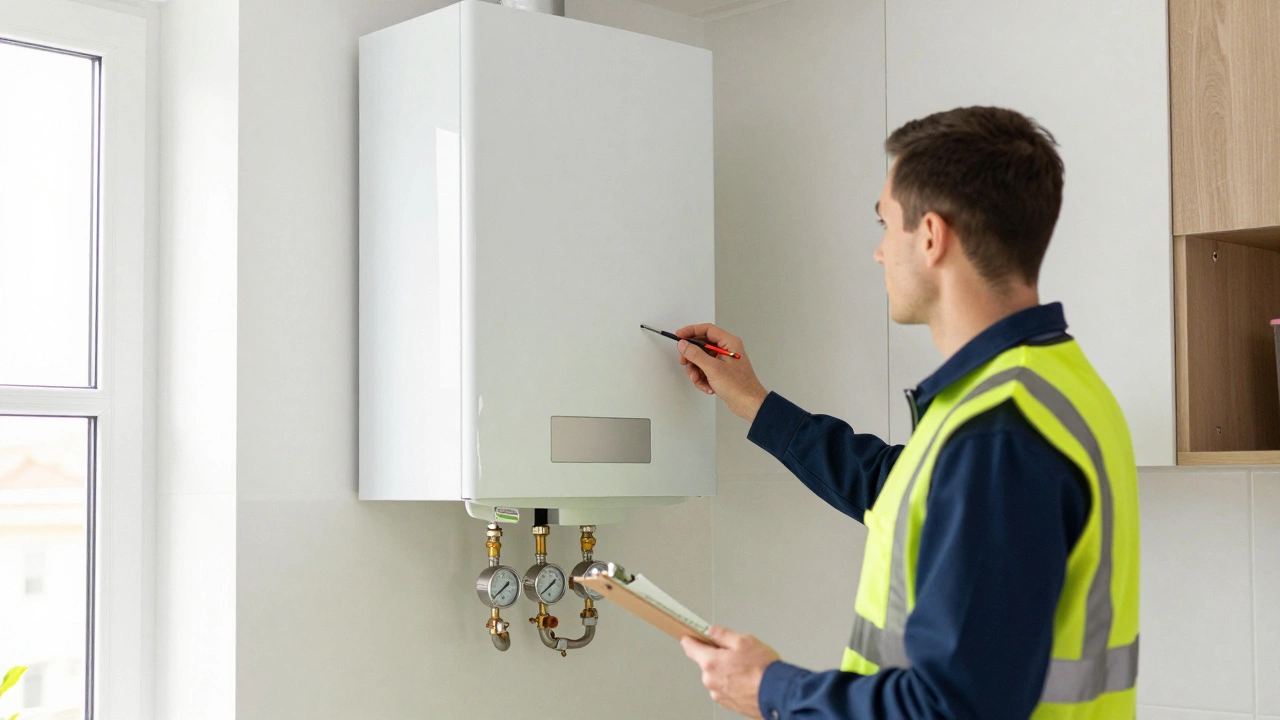
Boiler maintenance refers to scheduled, preventative checks. This usually happens once a year. A certified engineer visits, cleans the heat exchanger, checks for carbon monoxide leaks, tests pressure levels, and ensures all safety devices are working. Think of it like an oil change for your car. You do it before the engine blows up.
Boiler repair, on the other hand, is reactive. Something has broken. Maybe the pump failed, maybe a valve cracked, or maybe the thermostat stopped sending signals. This requires parts and labor to fix an existing problem.
Why does this distinction matter? Because in most jurisdictions, the rules for paying for prevention differ from the rules for paying for cure. If you mix them up, you might end up paying for something the landlord should have covered, or vice versa.
The General Rule: Landlords Usually Pay
In the vast majority of standard residential leases, the landlord is responsible for the cost of boiler maintenance. Why? Because the boiler is considered part of the building’s infrastructure, similar to the roof, the plumbing pipes inside the walls, or the electrical wiring.
Landlords own the asset. They benefit from its longevity. Therefore, they bear the cost of keeping it running. In countries like the UK, Australia, Canada, and many US states, housing laws explicitly state that landlords must provide properties that are fit for human habitation. A functioning heating system is often a legal requirement, not a luxury.
If your lease says "tenant responsible for all utilities and minor maintenance," that typically covers things like changing lightbulbs, unclogging drains caused by hair, or replacing batteries in smoke detectors. It rarely extends to complex mechanical systems like boilers.
| Expense Type | Typical Payer | Reasoning |
|---|---|---|
| Annual Safety Check (Maintenance) | Landlord | Legal obligation to ensure safety and compliance with gas/electrical codes. |
| Part Replacement (Wear & Tear) | Landlord | Natural degradation of components over time is the owner's risk. |
| Emergency Call-Out Fee | Landlord | Part of the service contract or insurance policy held by the owner. |
| Damage Due to Negligence | Tenant | If the tenant ignored instructions or misused the unit, they are liable. |
| Filter Cleaning/Replacement | Tenant (Often) | Routine upkeep similar to changing HVAC filters in an AC unit. |
When Do Tenants Have to Pay?
While the landlord usually foots the bill, there are scenarios where the cost shifts to you. Knowing these can save you from unexpected charges at move-out.
1. Negligence or Misuse If you turn the temperature dial to maximum every day, ignore error codes displayed on the screen, or fail to bleed radiators when instructed, and this causes damage, the landlord can deduct those repair costs from your security deposit. For example, if a technician notes that the boiler was starved of air because you never bled the radiators as requested in the welcome pack, that’s on you.
2. Lack of Routine Upkeep Some modern boilers require simple tasks from the user, such as resetting the unit after a power outage or cleaning external vents. If your lease specifies that you must keep the area around the boiler clear and clean, and you block the ventilation with boxes or laundry, resulting in overheating and failure, you may be liable.
3. Specific Lease Clauses Always read the fine print. Some commercial leases or high-end luxury rentals include "all-inclusive" rent that covers everything, while others might have a clause stating tenants pay for first-year maintenance. This is rare in standard residential housing but common in corporate housing or short-term rentals like Airbnb. If you signed a document saying you handle "all internal appliance servicing," you might be on the hook.
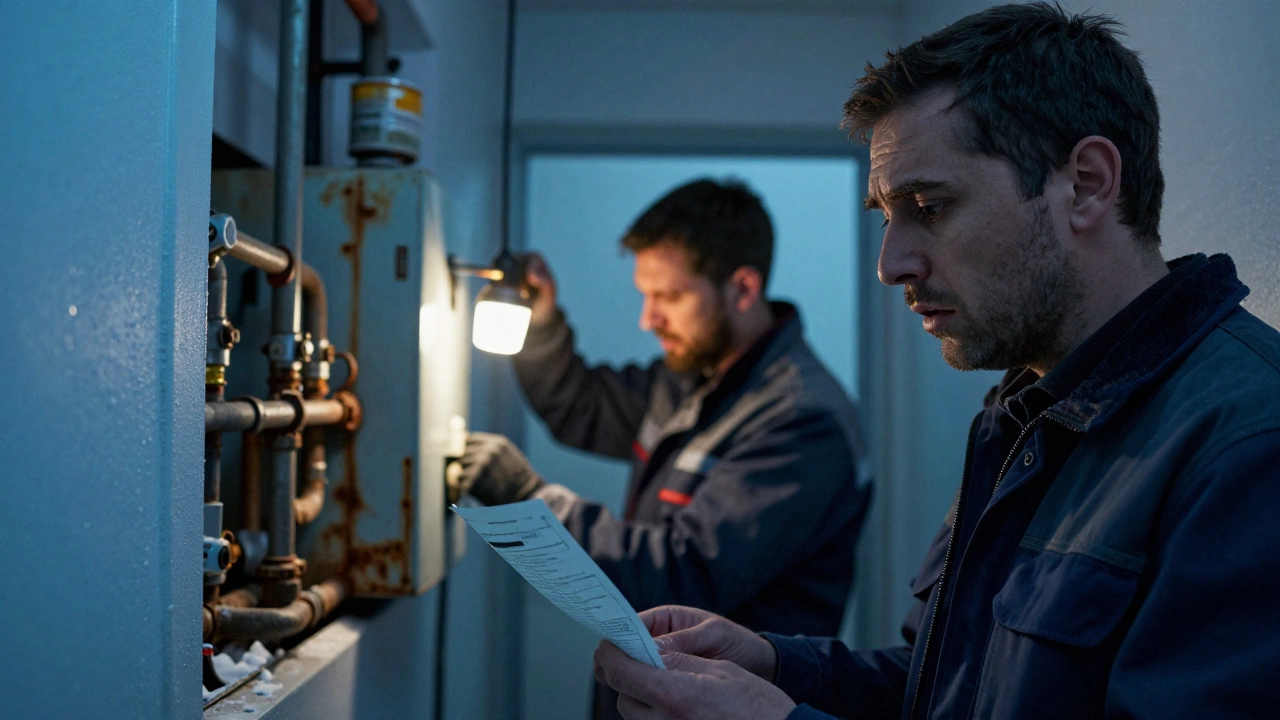
The Legal Safety Net: Why Maintenance Is Non-Negotiable
This isn't just about being nice; it's about law. In many places, gas and oil-fired boilers pose significant safety risks. Carbon monoxide poisoning is a silent killer. That’s why governments intervene.
In the UK, for instance, the Gas Safe Register requires landlords to have an annual gas safety check performed by a qualified engineer. They must provide a copy of this certificate to tenants within 28 days. Failure to do so can result in heavy fines and even imprisonment if an accident occurs. The cost of this check falls squarely on the landlord.
In Australia, particularly in states like Queensland and New South Wales, similar regulations exist under fair trading and residential tenancies acts. While the terminology might differ-often referred to as "gas fitting inspections"-the principle remains: the lessor must ensure fixed gas appliances are safe and compliant.
If your landlord refuses to pay for a necessary safety inspection, you have leverage. You can report them to the local housing authority or consumer protection agency. Never agree to pay for a mandatory safety check out of fear; it is illegal for them to pass that cost to you in most regulated markets.
How to Handle Disputes Over Boiler Bills
So, the technician is standing there, waiting for payment. Who swipes the card? Here is a step-by-step approach to handling this situation without ruining your relationship with your landlord.
- Check Your Lease First: Pull up your rental agreement. Look for sections titled "Maintenance," "Repairs," or "Utilities." Does it specify who handles major appliances?
- Contact the Landlord Immediately: Do not attempt to fix it yourself unless you are a certified professional. Inform them of the issue via email or text to create a paper trail. Say: "The boiler has stopped working. I believe this requires professional maintenance. Please advise on how to proceed with scheduling a repair."
- Ask About Insurance: Many landlords have contents or landlord insurance that covers appliance breakdowns. Ask if they want to file a claim instead of paying out of pocket.
- Get Written Approval: Before any work begins, get the landlord to confirm they authorize the repair and will cover the cost. If they say no, reply: "I am unable to proceed with repairs costing $X without written confirmation of reimbursement, as per our lease terms regarding capital improvements."
- Keep Receipts: If you are forced to pay upfront to restore heat during an emergency, keep every receipt and invoice. You can deduct this from future rent only if your local laws allow it and you have followed strict notification procedures. Otherwise, submit the bill for reimbursement later.
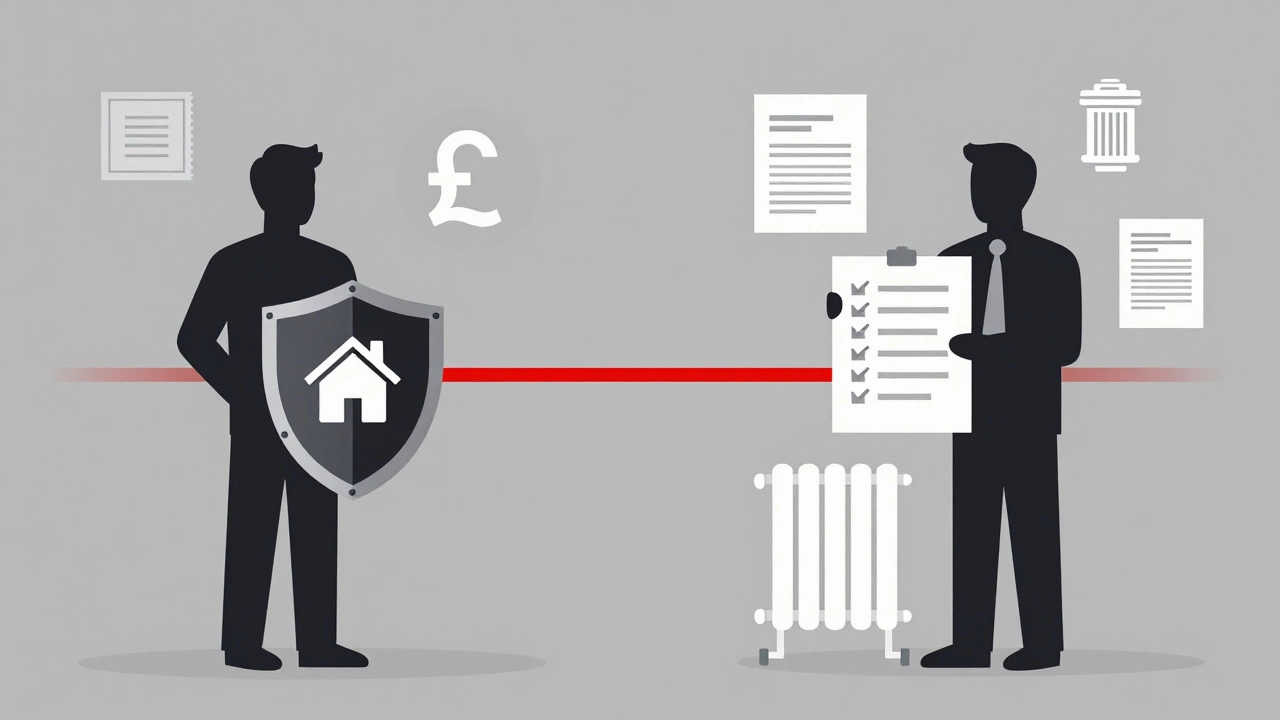
Pro Tips for Renters to Avoid Surprise Costs
You can protect yourself financially by being proactive. Here are some practical steps to take during your tenancy.
- Document Everything: When you move in, take photos and videos of the boiler. Note its age, brand, and condition. If it looks old or rusty, mention it in your move-in inspection report. This proves it wasn’t damaged by you.
- Learn Basic Operation: Watch a YouTube video on how to use your specific boiler model. Learn how to reset it, how to check pressure, and how to bleed radiators. Being able to perform these small tasks shows you are a responsible tenant and prevents minor issues from becoming major repairs.
- Request the Service History: Ask your landlord for records of past maintenance. If the boiler hasn’t been serviced in three years, it’s likely to break down soon. Use this information to negotiate repairs or even request a replacement if it’s near the end of its life (typically 10-15 years).
- Don’t Ignore Warning Signs: Strange noises, fluctuating temperatures, or yellow flames (instead of blue) are red flags. Report these immediately. Early detection means cheaper fixes for the landlord and less downtime for you.
What If the Boiler Is Too Old?
Sometimes, maintenance doesn’t make sense because the unit is dying. Boilers generally last between 10 and 15 years. If yours is older, constant repairs become a financial drain.
In this case, the conversation shifts from "who pays for maintenance" to "who pays for replacement." Again, the landlord is responsible for providing a functional heating system. If the repair cost exceeds 50% of the value of a new unit, it is often more economical to replace it. Push back gently but firmly: "Given the age of the boiler and the recurring failures, would it be more cost-effective to install a new, energy-efficient model? This would reduce long-term maintenance costs and improve energy bills for both of us."
Newer models are also significantly more efficient. An old boiler might waste 30% of its energy, while a modern condensing boiler can achieve over 90% efficiency. This saves the landlord money on their utility estimates and helps the environment. It’s a win-win argument.
Summary of Responsibilities
To wrap things up simply: Unless you broke it through carelessness, or your lease explicitly states otherwise, the landlord pays for boiler maintenance and repairs. It is their asset, their liability, and their legal duty to keep it safe. As a tenant, your job is to treat it with respect, report issues quickly, and keep good records. Don’t let anyone bully you into paying for essential safety checks. Know your rights, read your contract, and stay warm.
Can a landlord charge me for a boiler service?
In most residential leases, no. Annual boiler services are considered essential maintenance required by law for safety. Landlords cannot pass this cost to tenants unless the lease specifically includes it in the rent structure (rare) or if the damage was caused by tenant negligence.
Who pays if the boiler breaks down due to old age?
The landlord pays. Wear and tear from normal use over time is the owner's responsibility. They must maintain the property in a habitable condition, which includes having a working heating system.
Do I have to pay for gas safety certificates?
No. Gas safety certificates are a legal requirement for landlords in many regions. The cost of obtaining this certificate falls entirely on the property owner, not the tenant.
What if my lease says I am responsible for all repairs?
Lease clauses that try to waive the landlord's statutory duty to provide safe housing are often unenforceable. Even if signed, local tenancy laws usually override contracts regarding health and safety standards. Consult a local tenant union or lawyer if this is disputed.
Should I call the landlord or hire my own technician?
Always contact the landlord first. They may have preferred contractors or insurance policies that cover the work. Hiring your own technician without permission could void warranties or lead to disputes over billing.