Water Heater Repair – Quick fixes for cold showers in Glastonbury
Nothing ruins a morning like stepping into a cold shower. Most of the time the fix is easier than you think, and you don’t need to wait weeks for help. In this guide we’ll walk through the most common water heater issues, give you simple steps you can try at home, and tell you the signs that it’s time to call a professional from Glastonbury Appliance Repair Services.
Common reasons why your water heater quits
1. Reset button trips – If the heater keeps resetting, the thermostat may be overheating or the heating element could be faulty. Turn off the power, wait a minute, and press the reset button again. If it flips back within a few minutes, you likely have an electrical fault that needs a tech.
2. No hot water at the shower – Check the breaker first. A tripped breaker is the simplest culprit. If the breaker is fine, feel the tank for warm spots. Cold spots often mean sediment buildup that’s insulating the heating element. Flushing the tank can restore performance.
3. Strange noises – Rumbling or popping sounds point to sediment buildup. When the heater fires up, the water around the element can boil, creating steam bubbles that pop. Flushing the tank removes the sediment and silences the noise.
4. Leaking water – A small drip from the tank’s bottom usually means the internal tank has corroded. Small leaks around the valve can sometimes be tightened, but a leaking tank itself needs replacement.
5. Faulty thermostat or heating element – If the water is lukewarm rather than hot, the thermostat might be set too low or the element could be wearing out. You can test the element with a multimeter, but most homeowners find it safer to let a qualified technician handle the swap.
When to call a professional
If you’ve tried resetting, checking the breaker, and flushing the tank but the problem persists, it’s time to call a pro. Also call for any signs of water around the tank, a burnt smell, or repeated reset trips. These could be safety hazards that need a trained eye.
Our Glastonbury team can diagnose the issue quickly, order the right parts, and get your hot water back in under two hours for most common problems. We carry replacement anode rods, heating elements, and thermostats, so you won’t be waiting for a spare part.
Regular maintenance makes a huge difference. Flushing your heater once a year, checking the anode rod, and testing the pressure relief valve keep the system efficient and extend its life. A quick 15‑minute check‑up can prevent a costly breakdown later.
Finally, if your water heater is more than 10‑12 years old, consider a replacement. Modern units are more energy‑efficient and can lower your bills. We’ll help you pick the right size and type for your home and install it with minimal disruption.
Cold showers don’t have to be a daily battle. Try the simple steps above, and if anything feels beyond your comfort zone, give Glastonbury Appliance Repair Services a call. We’re local, reliable, and ready to bring the heat back to your home.
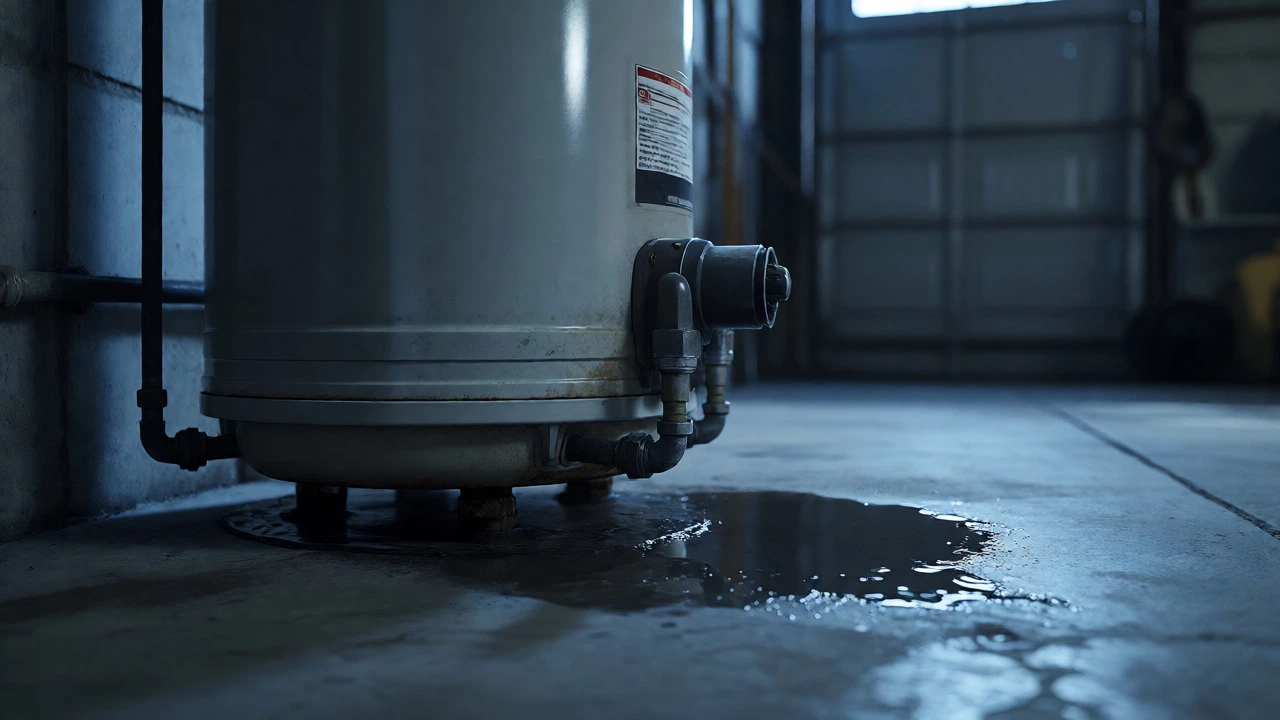
Water Heater Life Expectancy: How Long Do They Really Last?
Discover the true life expectancy of water heaters, from standard tanks to tankless models. Learn how hard water, maintenance, and usage affect longevity.

How to Tell If Your Hot Water Heater Element Is Bad
Discover the signs of a bad hot water heater element, from lukewarm showers to strange noises. Learn how to test it with a multimeter and decide between DIY repair or calling a pro.
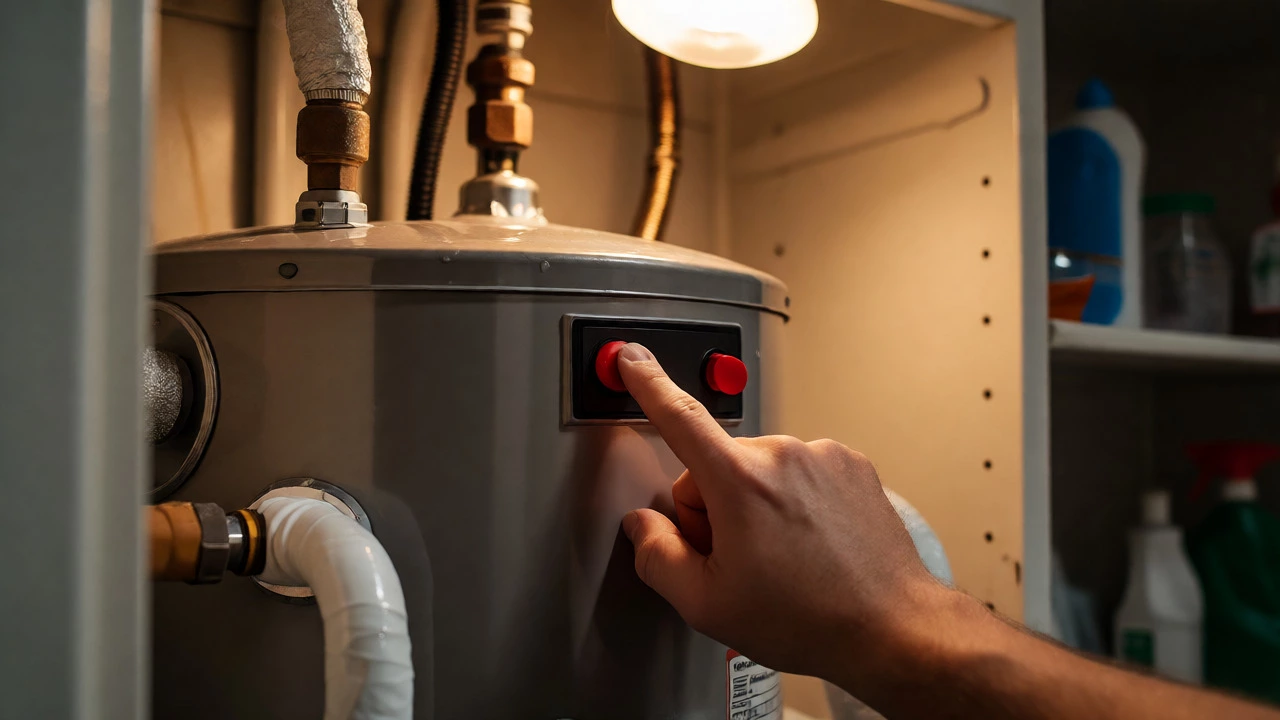
Why Is My Water Heater Only Giving Cold Water? Troubleshooting Guide
Cold water from your tap? Learn the top 5 reasons why, from tripped breakers to failed elements. Diagnose and fix your water heater today.
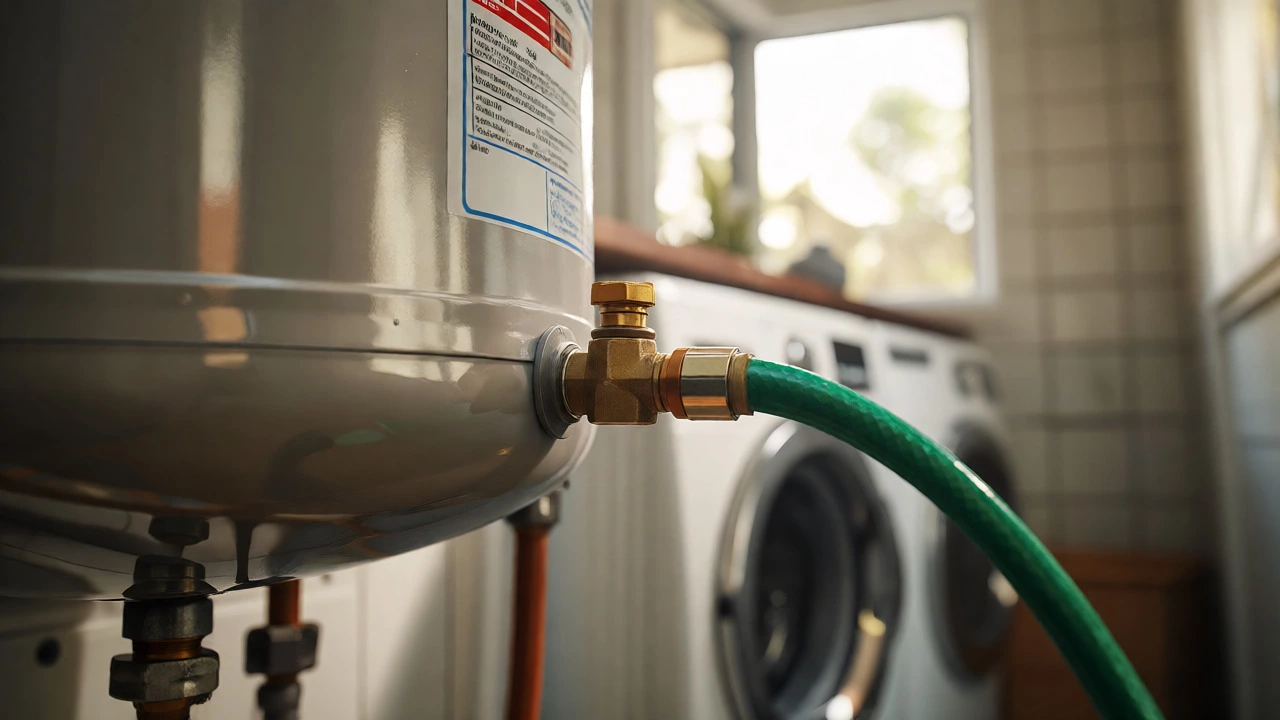
Can I Flush My Water Heater Myself? A Brisbane Homeowner's Guide
Wondering if you can flush your water heater yourself? Learn the safe DIY steps for electric and gas units, common pitfalls, and when to call a Brisbane plumber.

How to Tell If Your Water Heater Needs a Reset
Is your shower cold? Learn how to tell if your electric water heater needs a reset. We cover signs, safety steps, and when to call a pro.
How to Tell If a Water Heater Element Is Bad: Symptoms & Testing
Is your shower turning cold? Learn how to spot a bad water heater element. We cover symptoms, simple multimeter tests, and when to call a pro.
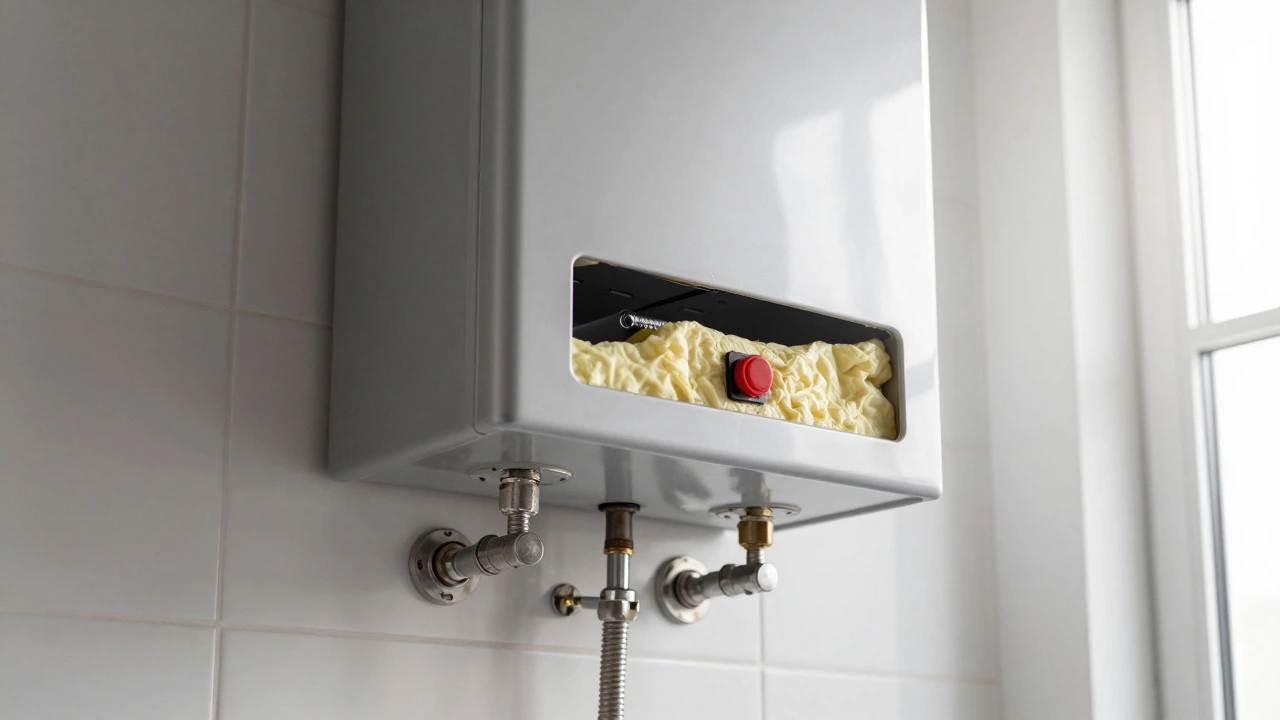
Is It Safe to Press the Reset Button on Your Water Heater? A Complete Guide
Is it safe to press the reset button on your water heater? Learn why the high limit switch trips, how to reset it safely, and when to call a pro to avoid hazards.
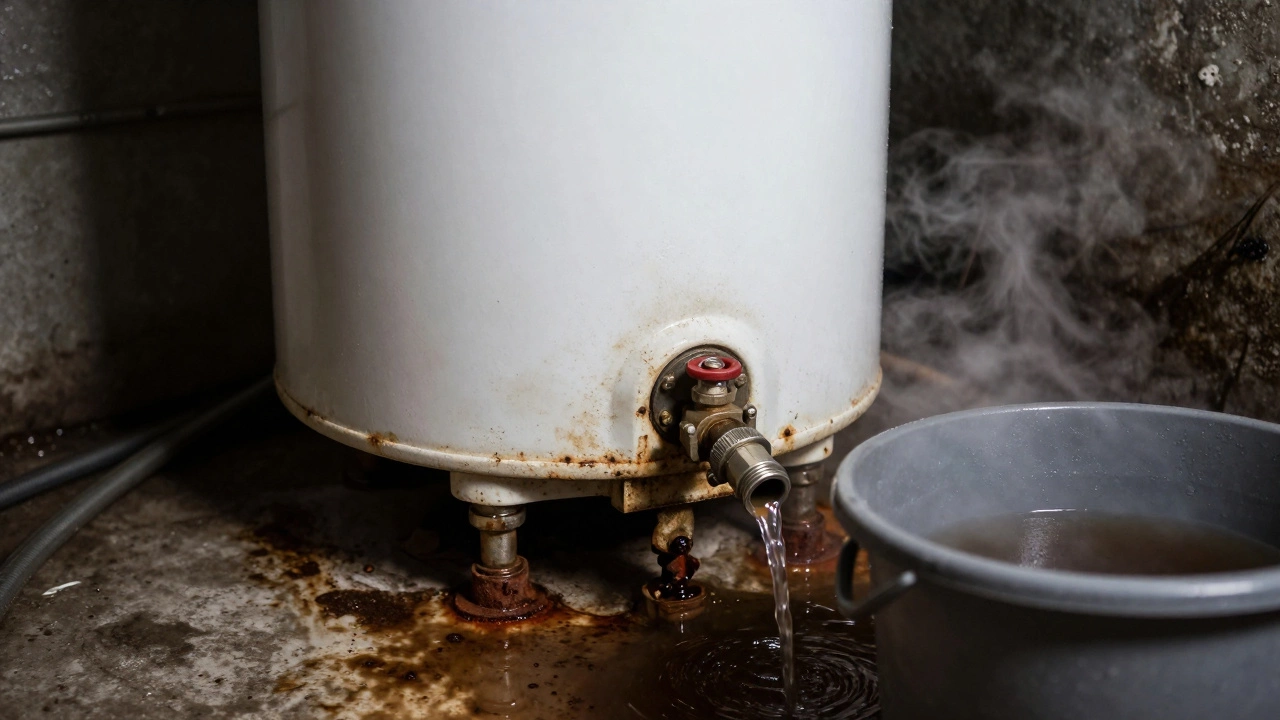
Should You Flush a 10-Year-Old Water Heater? Risks, Benefits & Best Practices
Discover if flushing a 10-year-old water heater is safe and beneficial. Learn about sediment risks, anode rod checks, and when to replace your unit to avoid costly failures.
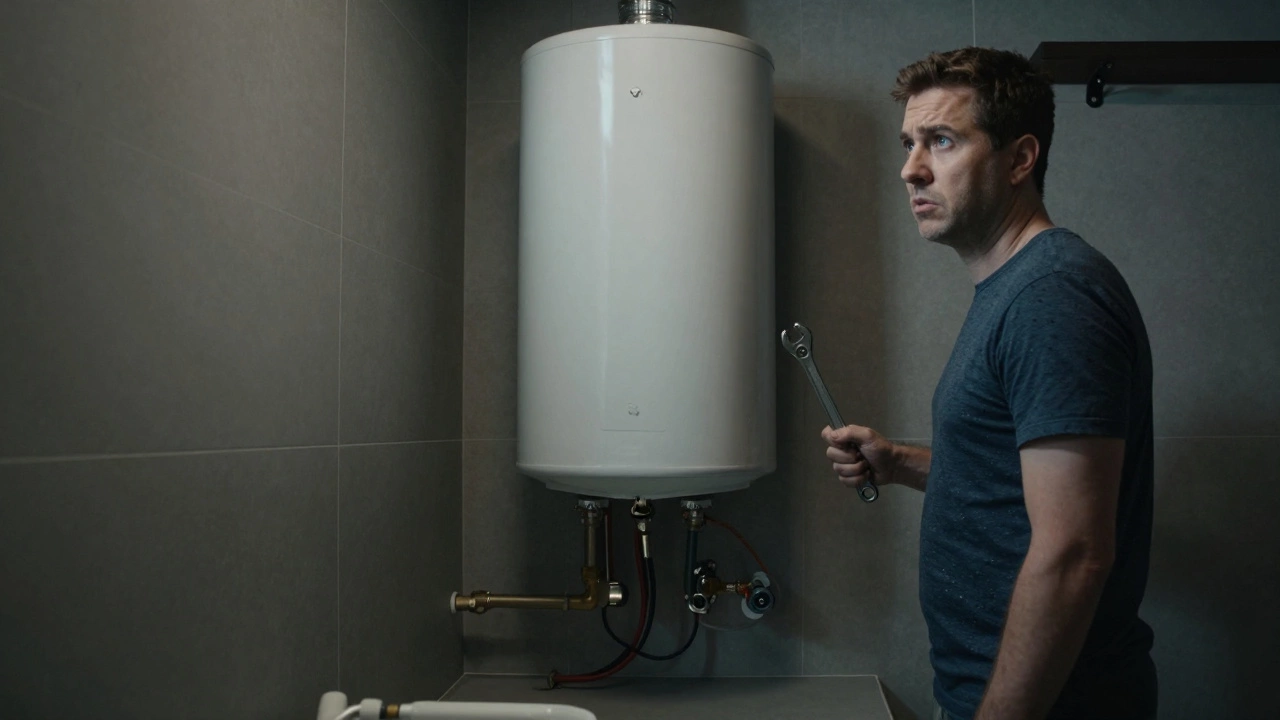
Should You Fix Your Own Water Heater? A Safety & Cost Guide
Deciding whether to fix your own water heater involves weighing cost savings against serious safety risks. Learn which tasks are safe for DIY in Brisbane and when to call a licensed professional.
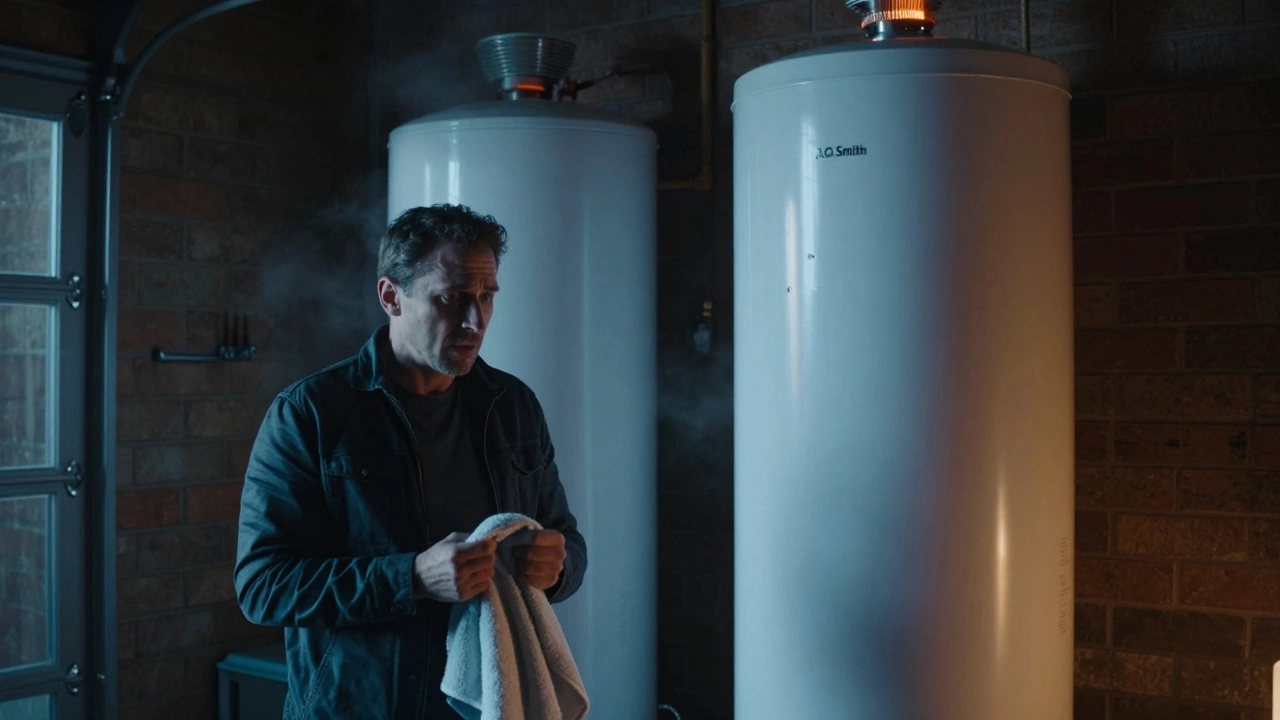
Rheem vs AO Smith Water Heaters: Which Brand Is Better for Repair and Reliability?
Comparing Rheem and AO Smith water heaters for reliability, repair costs, and lifespan. Learn which brand offers better value for Australian homes and how to extend your unit's life.
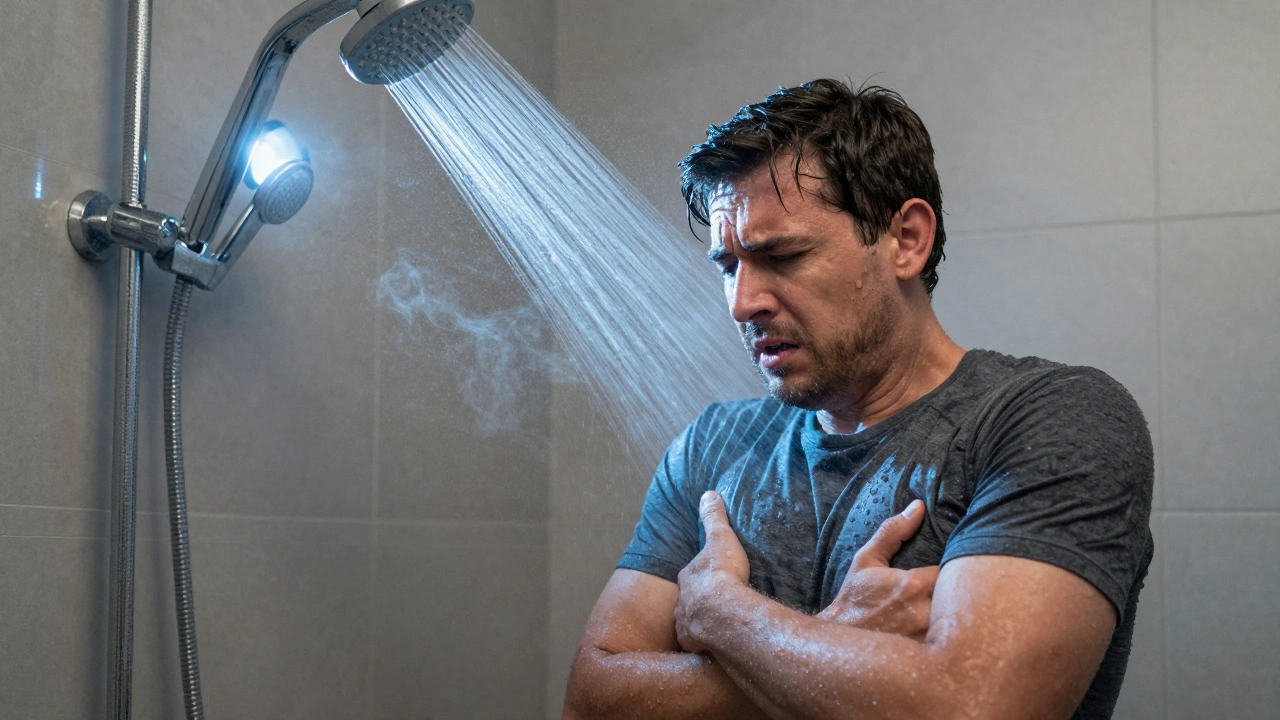
How Do I Tell If I Need a New Hot Water Heater? 7 Clear Signs
Struggling with cold showers or noisy tanks? Learn the 7 key signs your hot water heater needs replacement, including age limits, leak detection, and energy bill spikes.
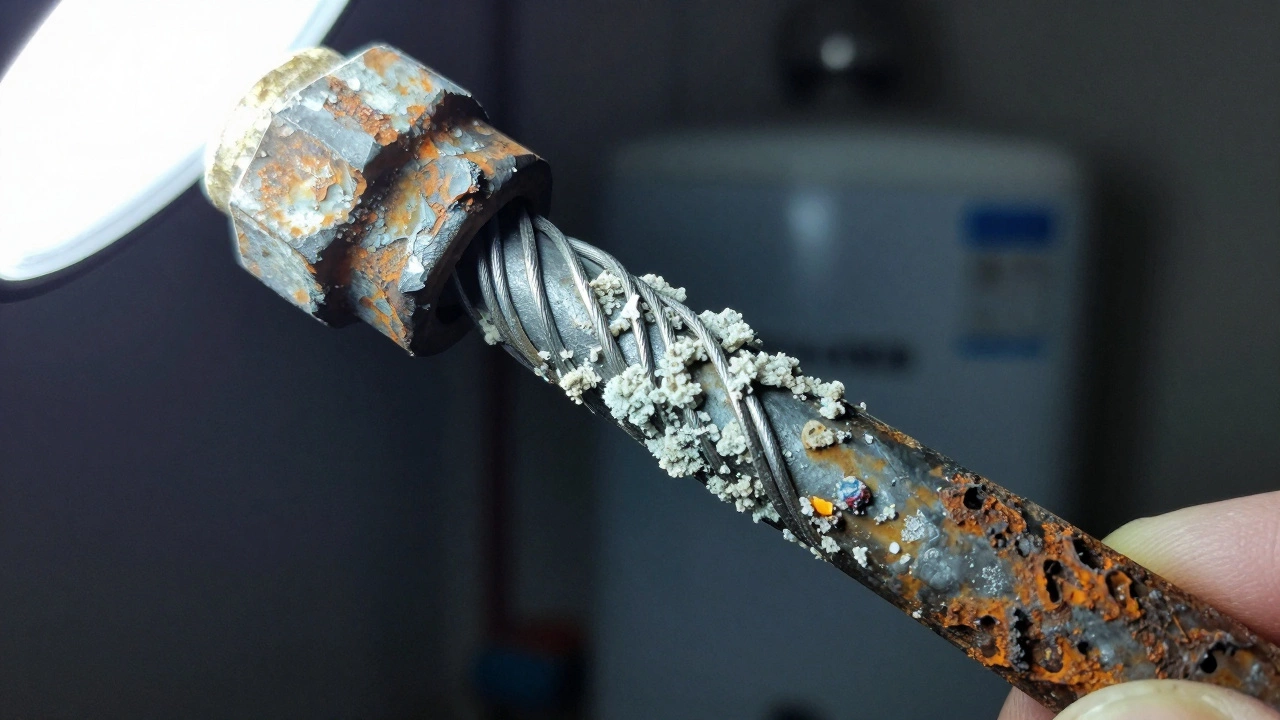
How to Tell if Your Anode Rod Is Bad: Signs, Testing & Replacement Guide
Learn how to tell if your anode rod is bad by spotting key signs like rotten egg smells and noise. This guide covers testing methods, replacement options, and step-by-step instructions to protect your water heater.